Everything we have published, newest first. Use the section links in the header to narrow by area, or the search box to look for a specific test, technique or term.
-
Tracing Contamination Back to Its Source in the Lab
Recurring contamination survives cleaning because cleaning is a guess. Outbreak investigation offers a method that narrows the source systematically.
-
Preparing for a Laboratory Inspection Without Panic
Inspection readiness is a documentation habit maintained all year, not a fortnight of frantic tidying before the assessors arrive.
-
Creatine Purity: Testing for Creatinine and By-Products
Three specific compounds tell an analyst whether creatine was synthesised carefully or rushed, and all three are routinely measured.
-
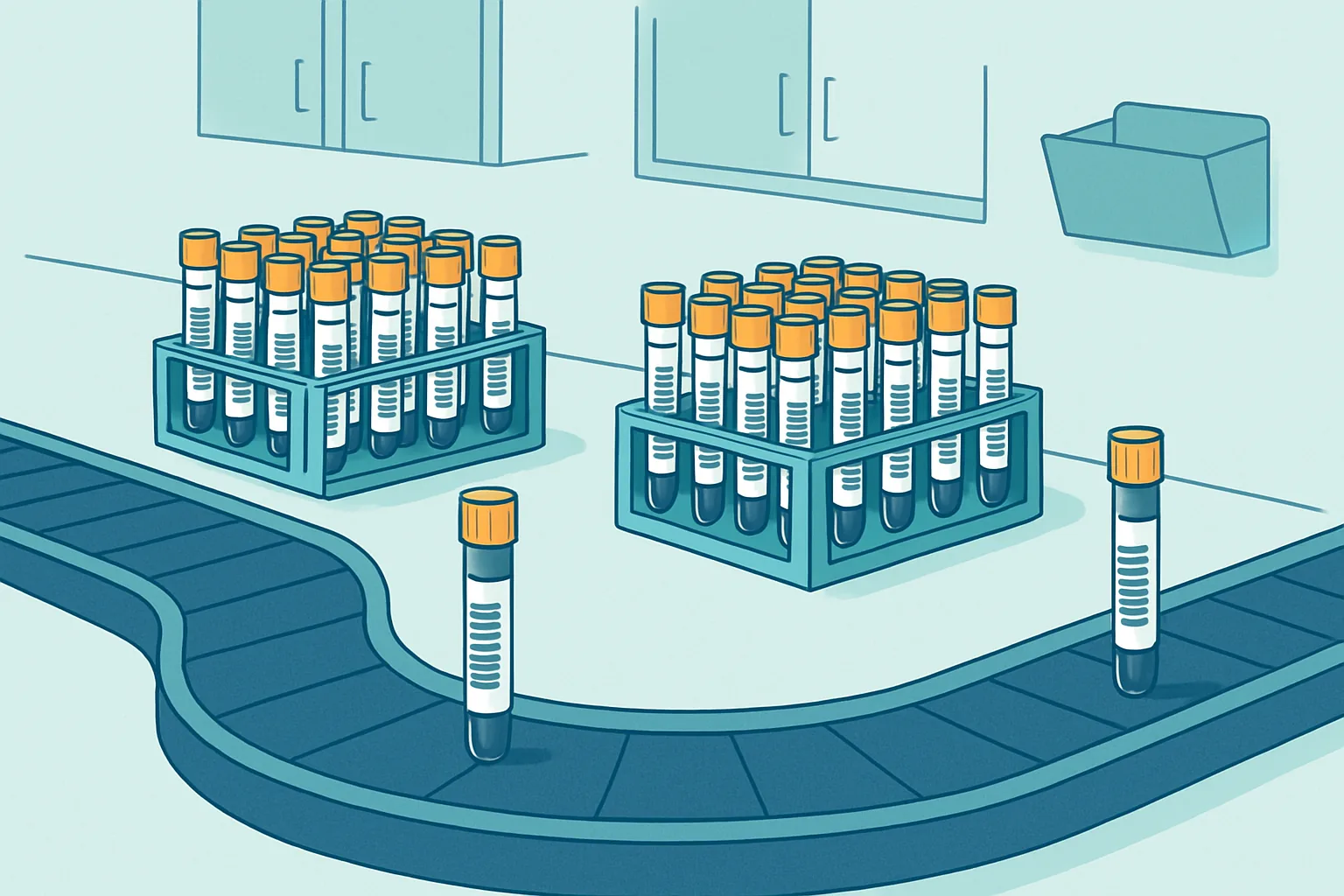
Why Some Lab Results Take Hours and Others Take Weeks
Analysis is almost never the slow part. Following a sample through every queue in the workflow shows where the waiting actually happens.
-
How to Read a Pathology Report Without Panicking
A pathology report is a formulaic document written for clinicians, and most of the alarm it causes comes from the structure rather than the findings.

-
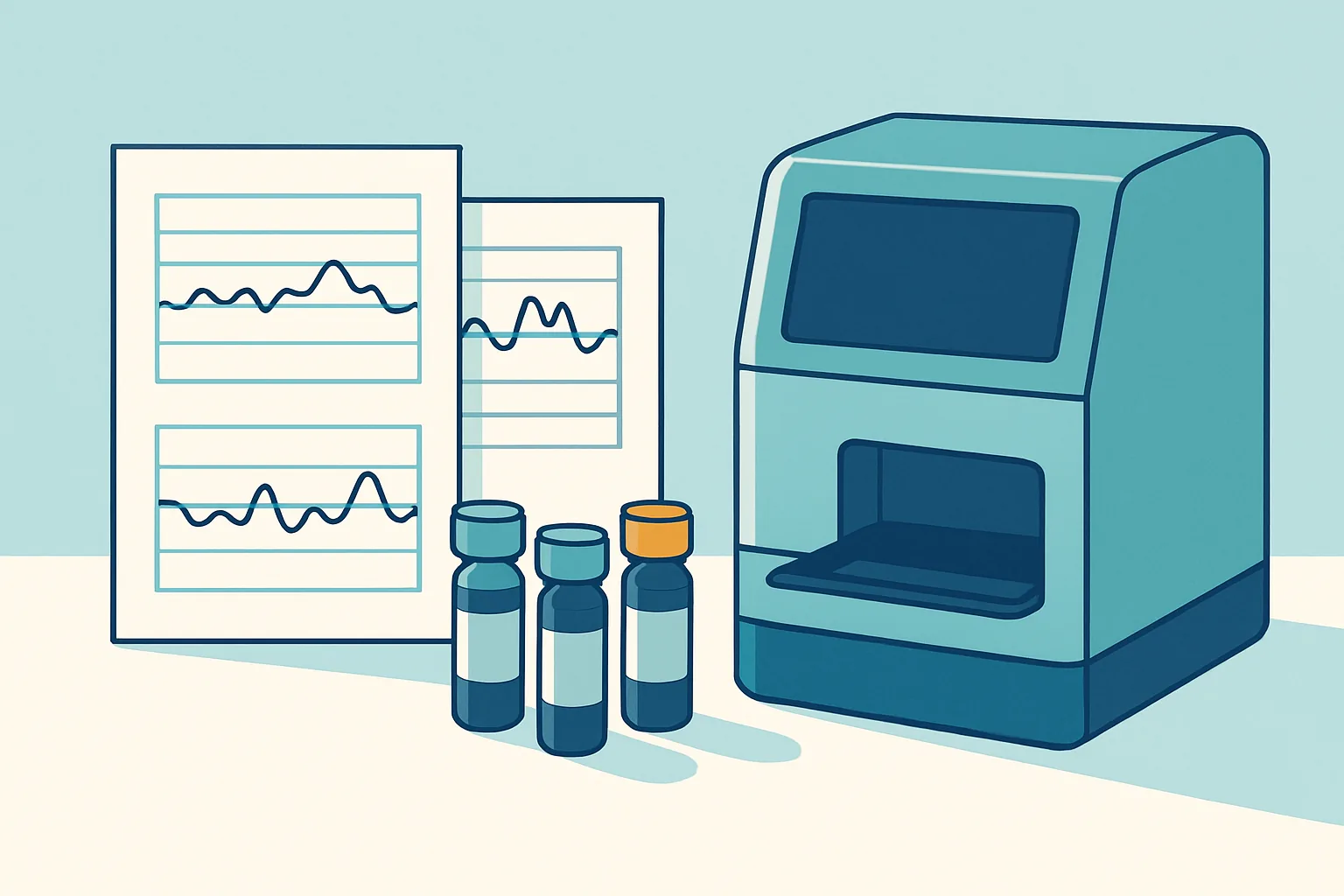
Quality Control Charts and the Rules That Catch Drift
A single control limit either misses real drift or stops the run every other day. Multi-rule systems exist to escape that trade-off.
-
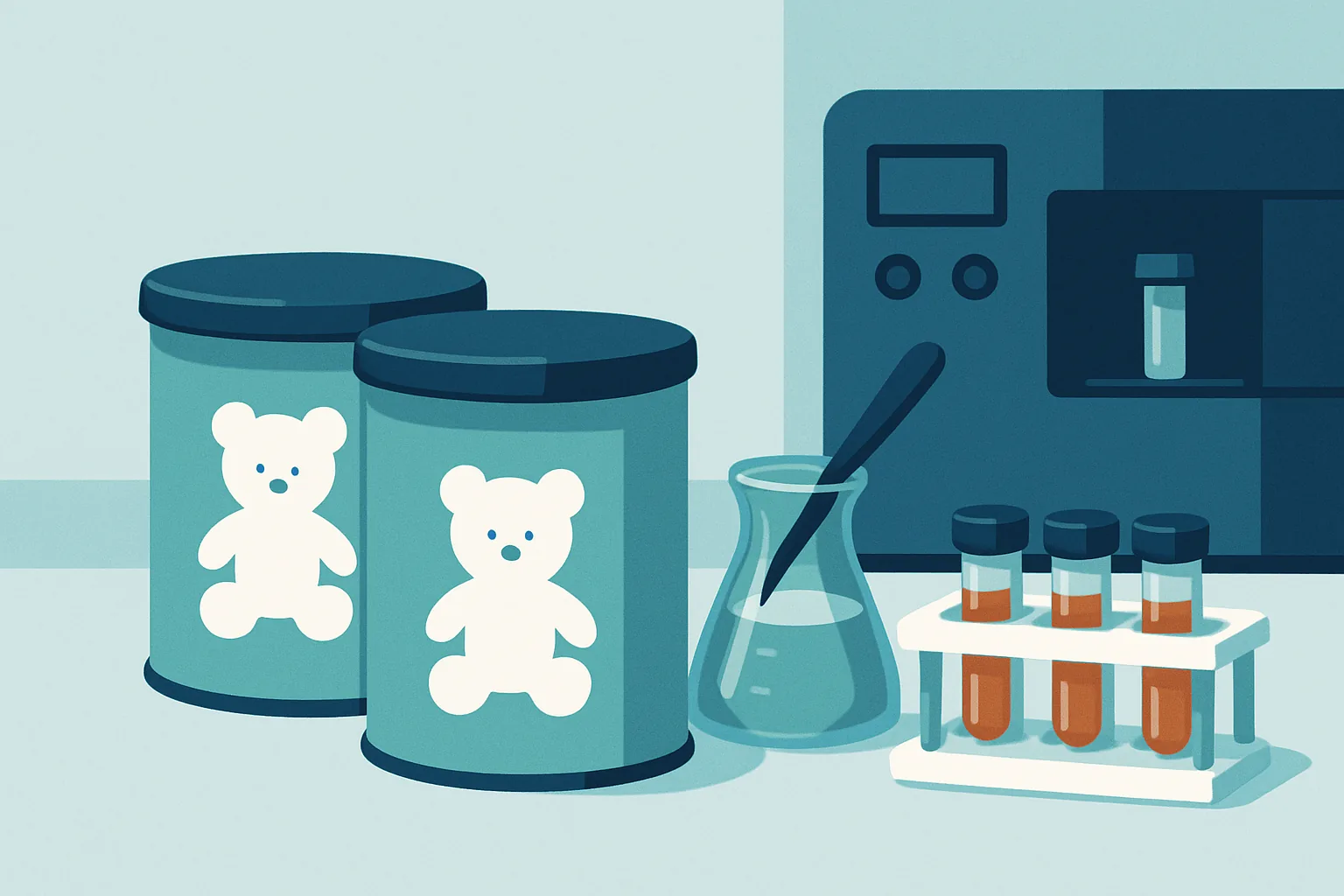
Infant Formula Testing and Why It Is So Tightly Controlled
Formula is often the only food an infant receives for months, and the testing regime around it is built entirely on that uncomfortable fact.
-
Model Organisms and the Logic Behind Choosing One
Flies, worms, fish and mice are not arbitrary choices. Each one trades similarity to humans against speed, cost and how easily its genome can be manipulated.
-
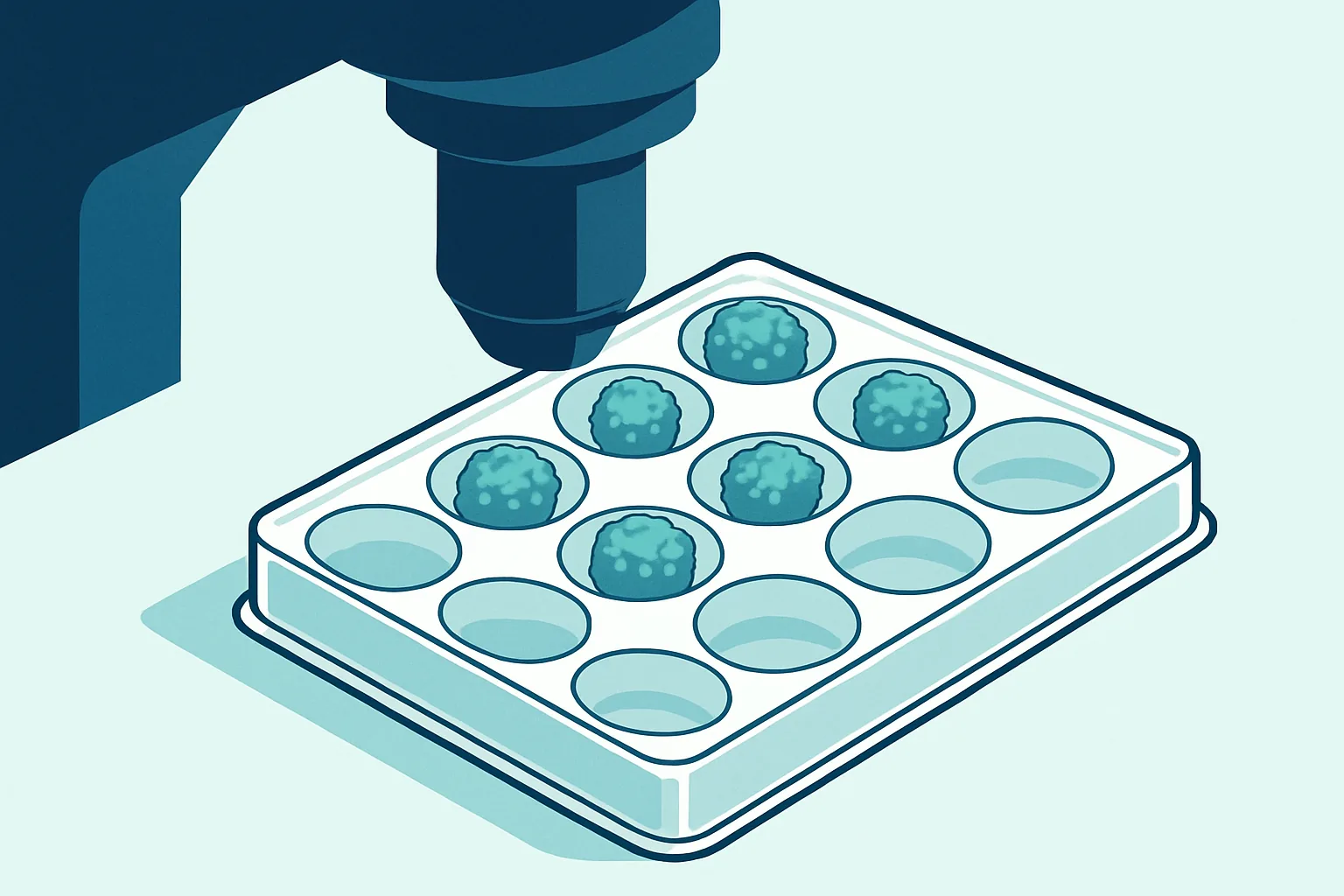
Organoids: What They Model and What They Still Miss
Organoids reproduce tissue architecture that flat cell culture cannot, and they lack blood vessels and immune cells entirely. Both facts shape what they can be used…
-
Setting Up a Home Laboratory Within the Rules
Amateur science at home is broadly legal. The boundaries that matter are about specific chemicals, waste, containment and the people living next door.
-
Organic Verification: What Testing Can and Cannot Prove
Organic is a claim about how food was produced, not a property of the food itself, which is why paperwork rather than laboratory testing does most…
-
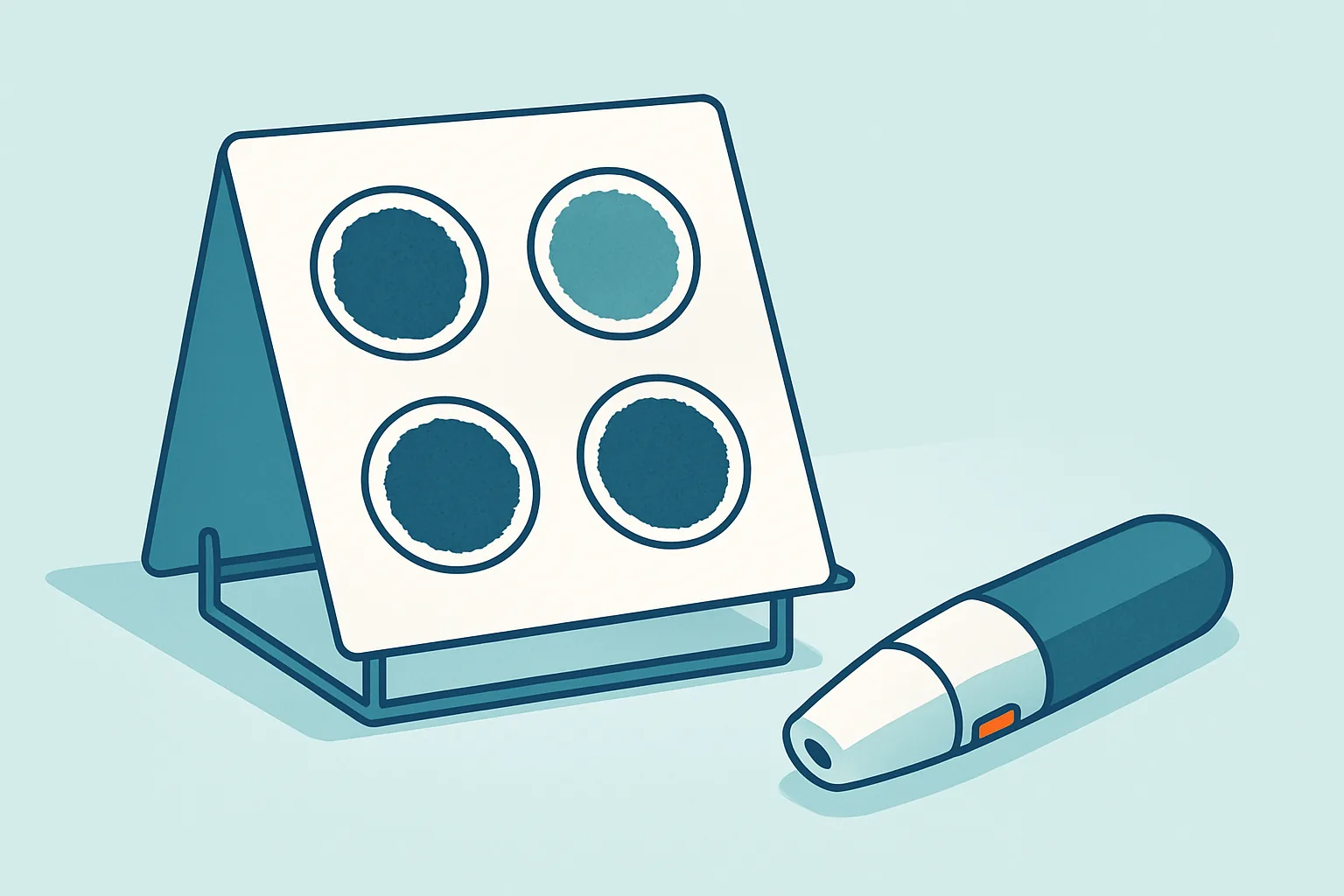
Newborn Screening: What the Heel Prick Card Detects
The heel prick card is a population screen, not a diagnosis. It is deliberately tuned to over-refer, and understanding why makes a recall call much less…
-
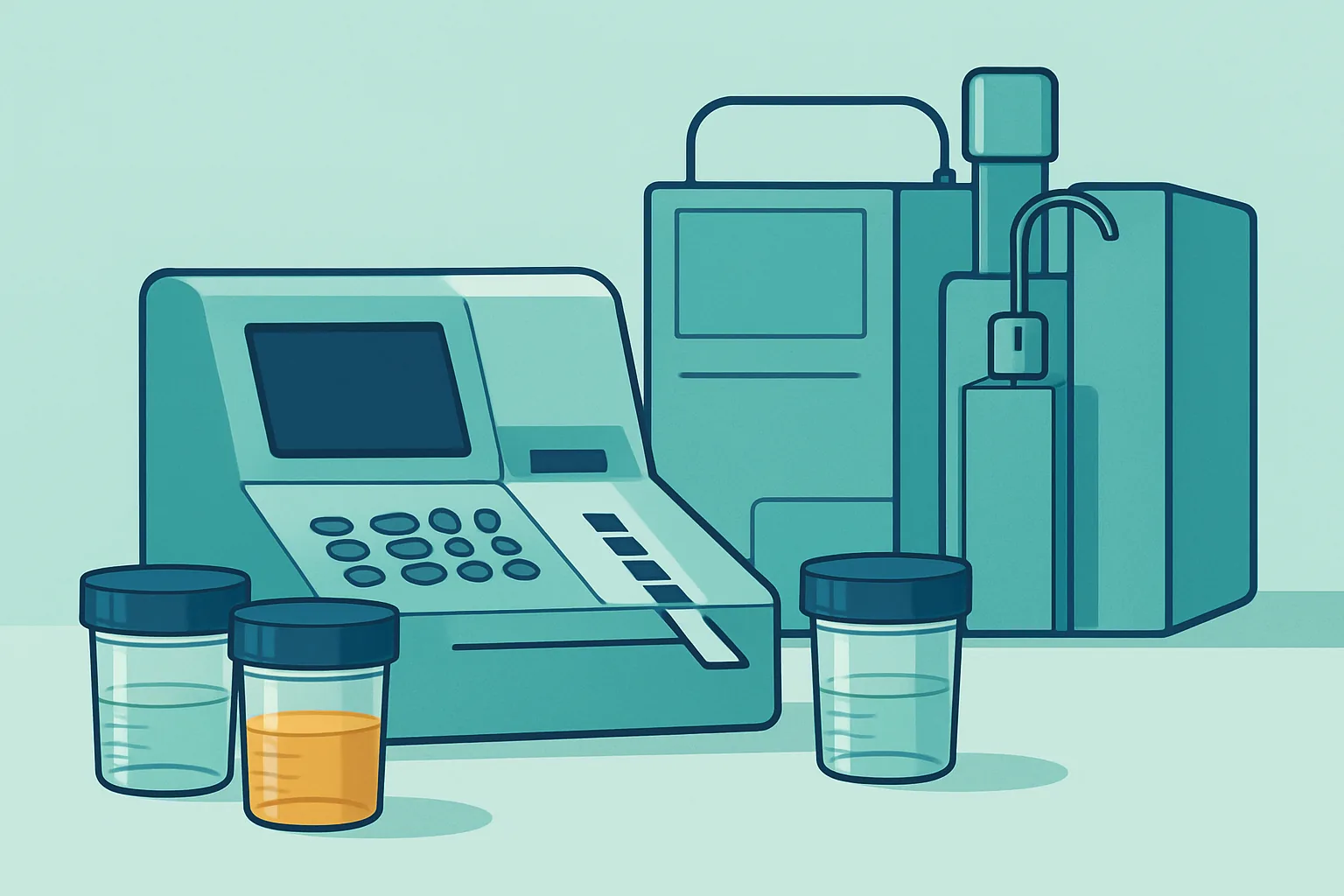
Drug Screening: Why Screens Need Confirmation
A positive drug screen is not a result. It is a request for a second, definitive test, and the two-step design is deliberate rather than a…
-
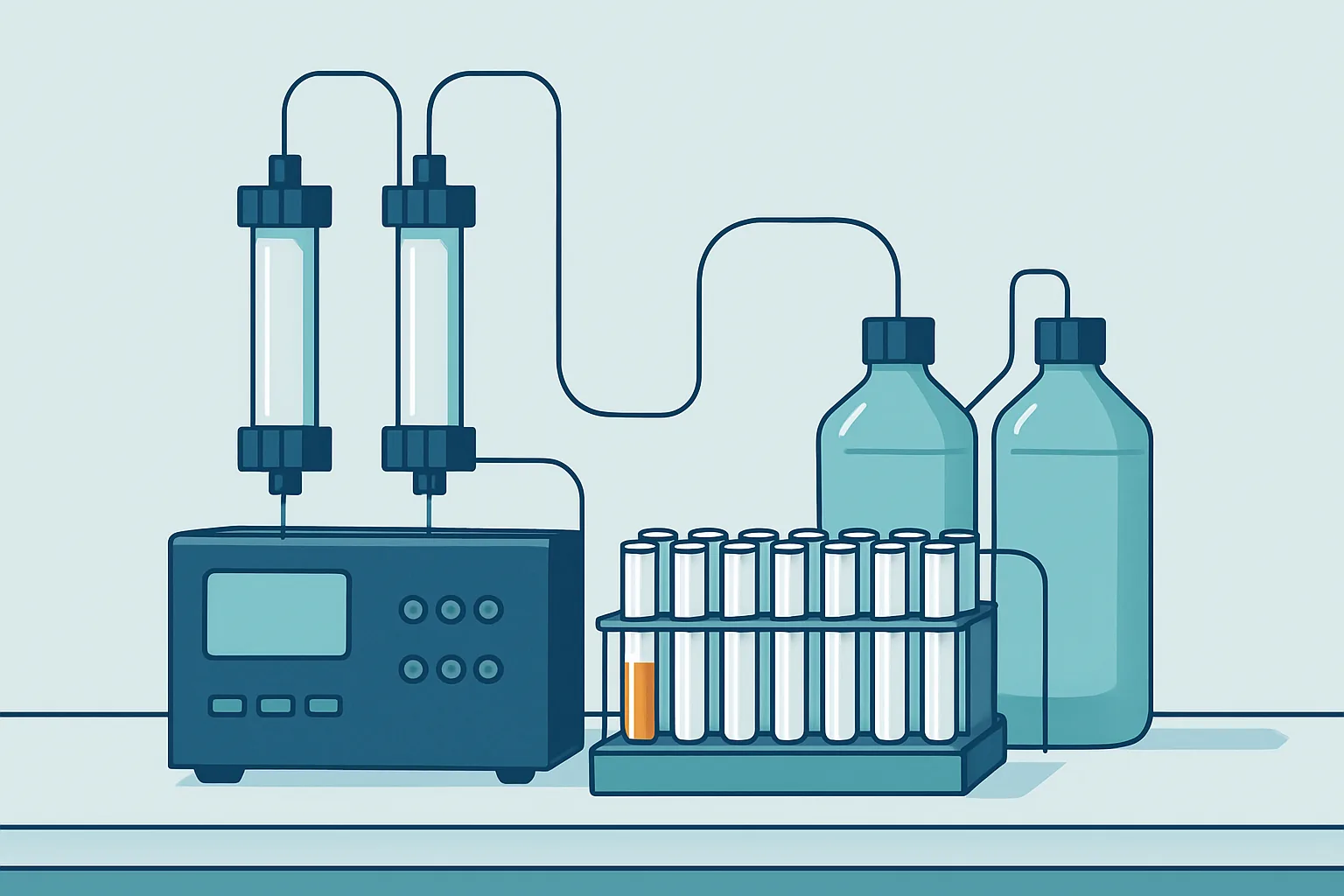
Protein Purification: Building a Strategy That Works
Purification is a sequence of separations that each exploit a different property. Choosing the order well is what decides whether you end up with usable protein.
-
Laboratory Ergonomics and the Injuries Nobody Reports
The injuries that end bench careers rarely arrive as accidents. They accumulate through thousands of small repeated movements, and most of them are preventable.

-
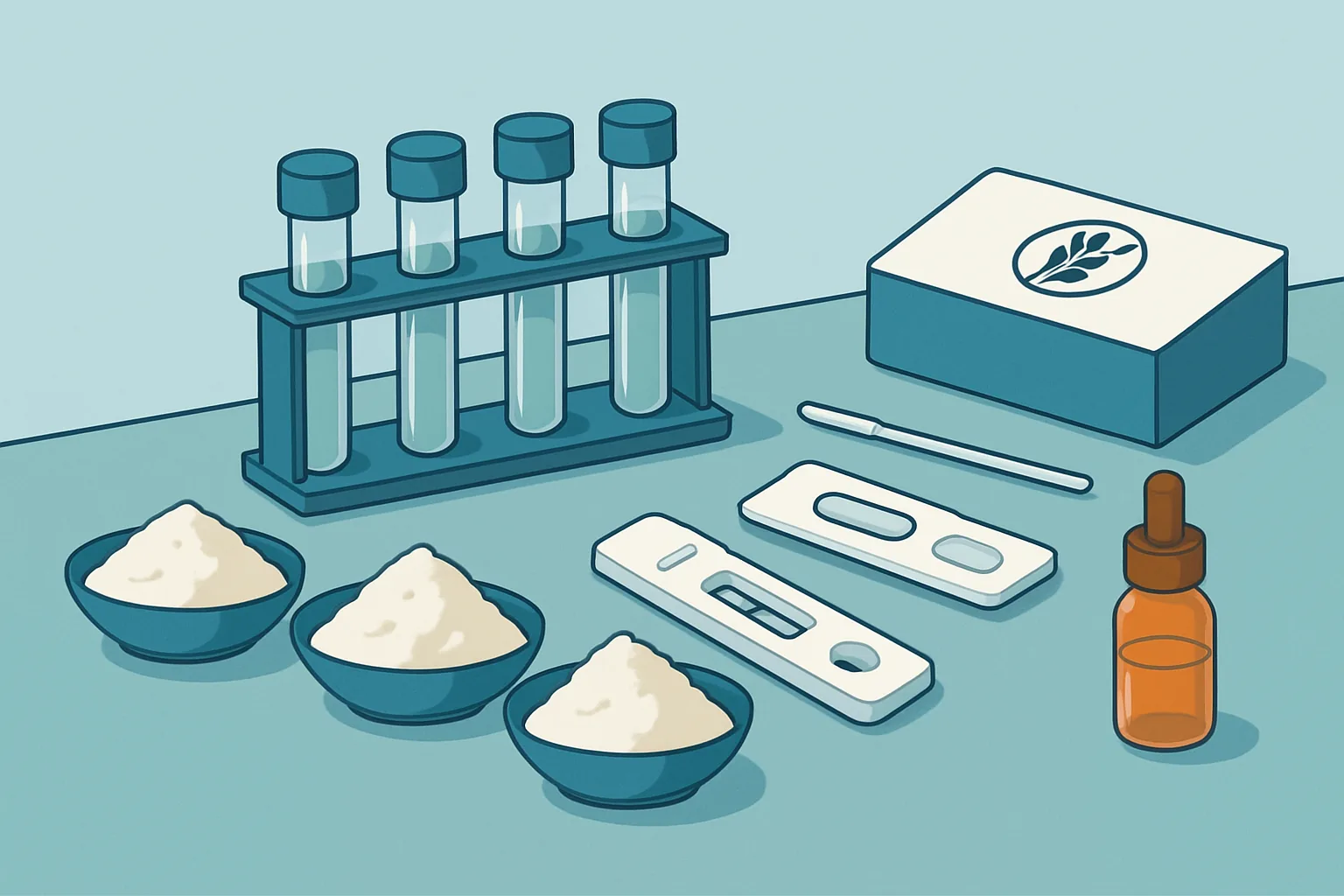
Gluten Testing: Where the Twenty Parts Per Million Came From
The twenty parts per million limit is not a measure of zero gluten. It comes from dose-response research and from the practical limits of the assays…
-
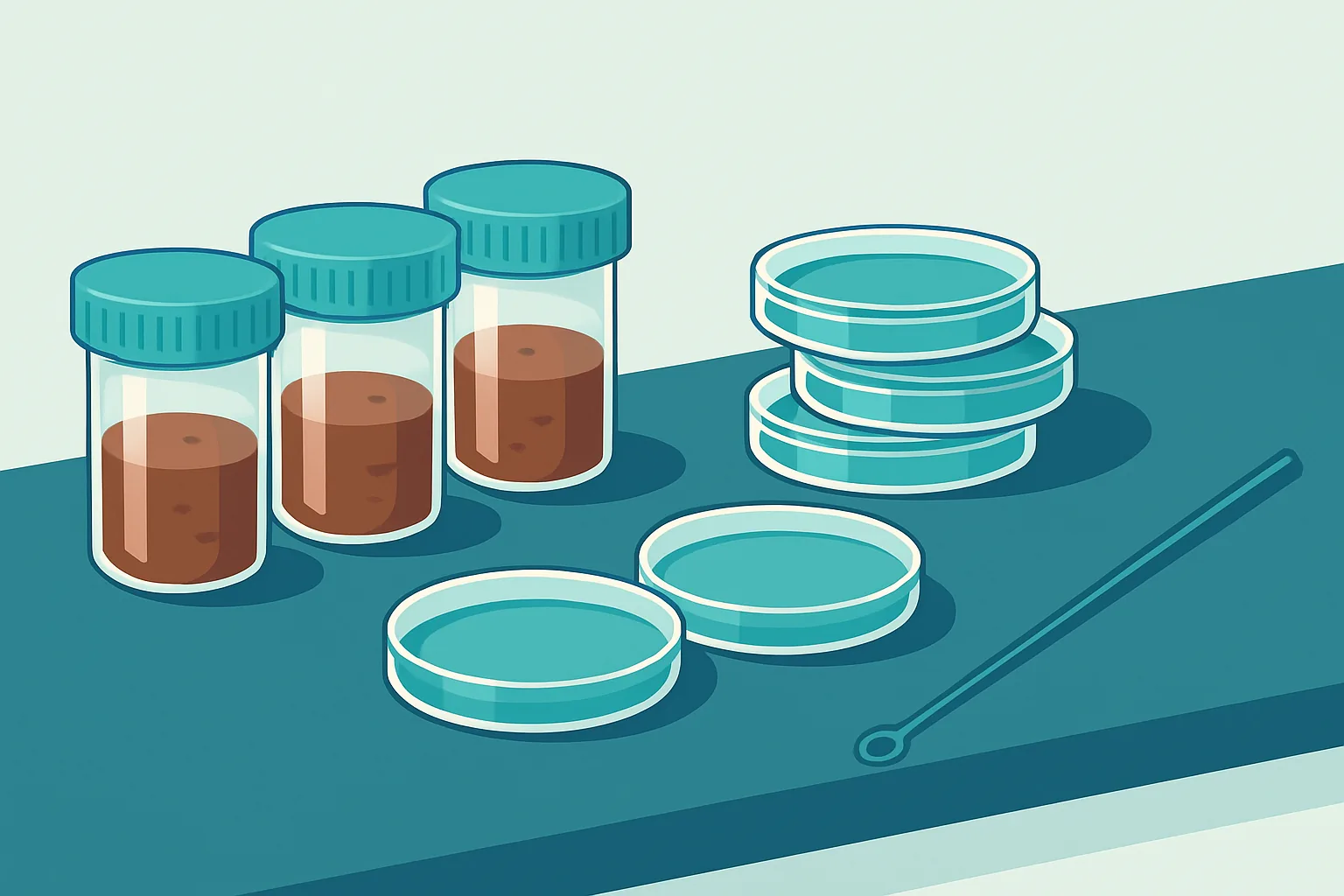
Stool Testing: From Culture Plates to PCR Panels
Molecular panels find far more organisms than culture ever did, which has created a new problem: deciding which of the findings is actually making someone ill.
-
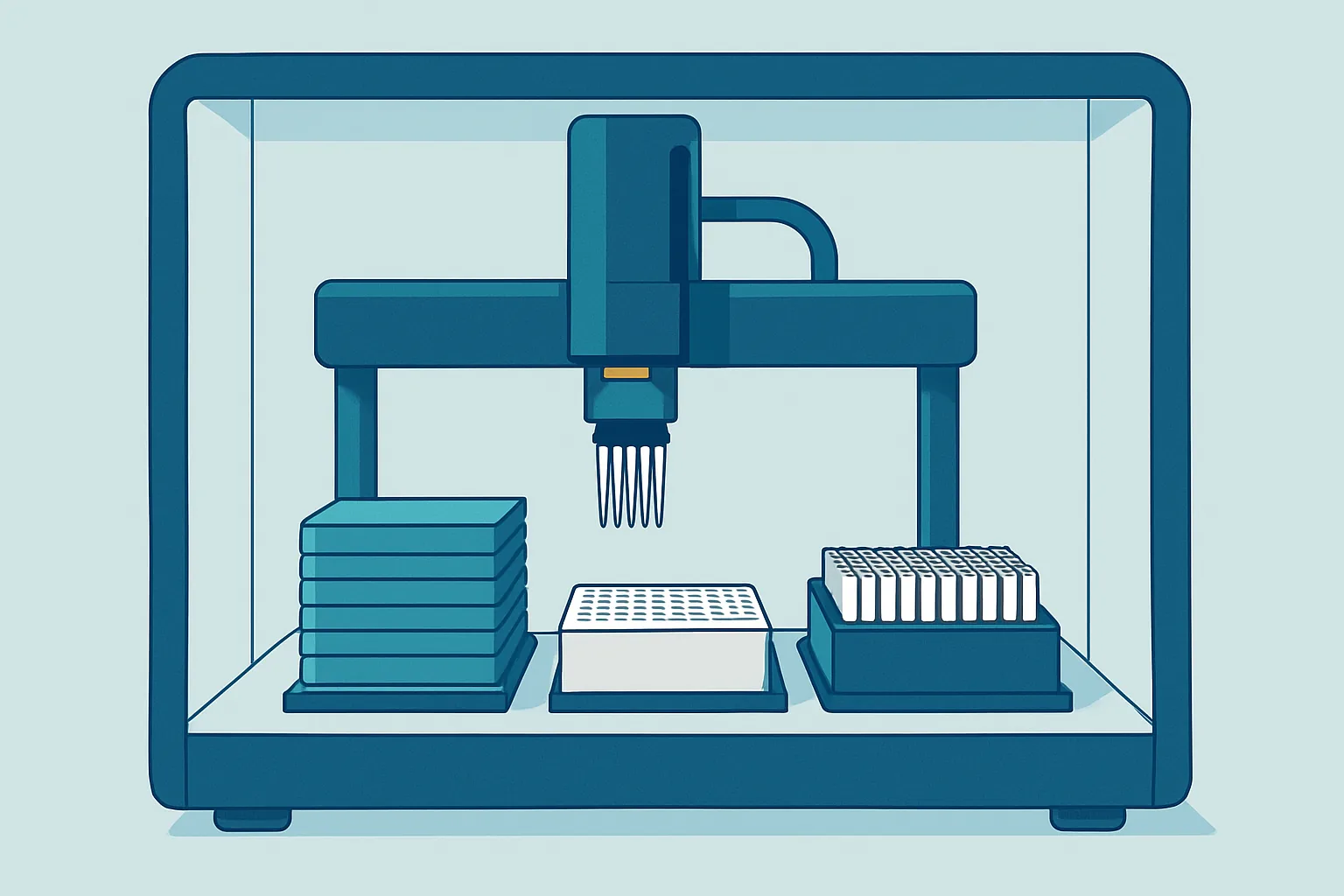
Laboratory Automation: Where Robots Actually Pay Off
Automation returns its cost above a throughput threshold and below a variability threshold, and most disappointing installations sat on the wrong side of one of them.
-
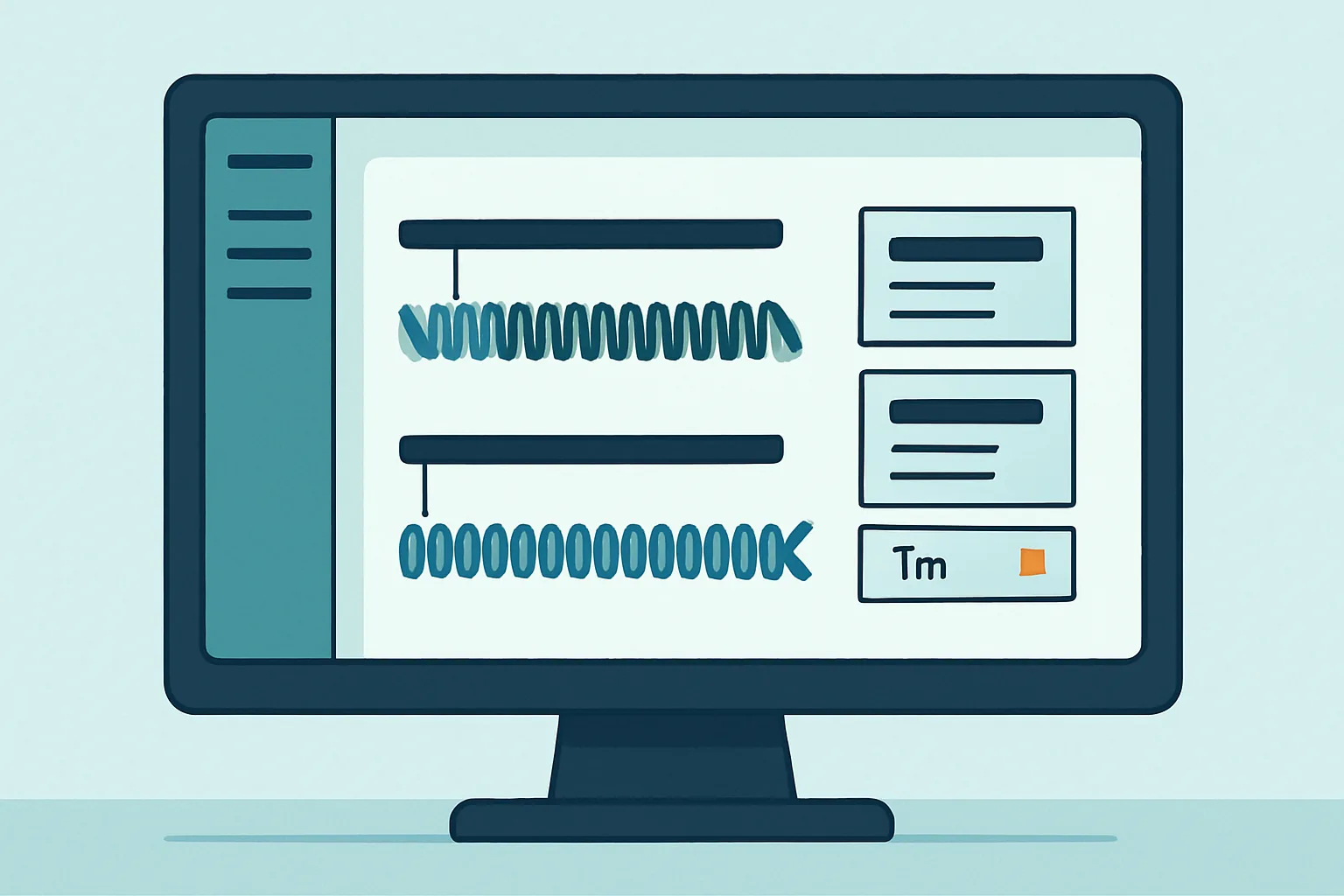
Primer Design: The Rules That Decide Whether PCR Works
Primer design guidelines are usually presented as a flat list, but they are not equally important, and a few of them account for most real failures.
-
Vitamin Degradation: Why Potency Falls Before Expiry
Vitamins start losing potency the day they are made, which is why manufacturers deliberately put more in the bottle than the label claims.