
Everything we have published, newest first. Use the section links in the header to narrow by area, or the search box to look for a specific test, technique or term.
-
PFAS in Food Packaging and How Testing Caught Up
Chasing PFAS one compound at a time was always going to lose. Measuring total fluorine changed the question from which chemicals are present to whether any…

-
Pipette Calibration and the Drift You Cannot See
A pipette that has drifted still feels exactly the same in the hand. The error arrives silently in the data, and only a balance will find…

-
Gel Electrophoresis and How to Read the Lanes
A gel image carries far more information than whether a band appeared. Position, sharpness and intensity each report on something specific that happened in the tube.

-
Point-of-Care Testing: Trading Precision for Speed
A bedside result in three minutes is not the same measurement as a core laboratory result in forty. Here is what is actually given up, and…

-
Centrifugation Theory and Why Rotor Choice Matters
A spin protocol written in revolutions per minute is not a protocol at all, because the same speed produces different forces in different rotors.

-
Choosing a Laboratory Centrifuge Without Overbuying
Most centrifuge specifications are chosen from a brochure rather than from a protocol, which is how laboratories end up paying for speed and cooling they never…

-
Acrylamide: The Compound Created by Cooking Itself
Acrylamide is not a contaminant that gets into food. It is manufactured by the same browning chemistry that makes toast, chips and coffee taste of anything…

-
Haemolysis: The Most Common Reason Samples Get Rejected
When red cells rupture in the tube they flood the plasma with their contents, wrecking a few results completely while leaving most of the panel entirely…

-
Buffers and pH: The Chemistry Behind Stable Reactions
A buffer chosen for the wrong pKa fails silently, holding its label while the reaction it was meant to protect drifts out of range unnoticed.

-
Laboratory Career Paths and How the Pay Bands Work
Laboratory careers do not climb a single ladder. They branch, and the branch you take in your first decade largely determines what your pay looks like…

-
How Phlebotomy Technique Changes Your Blood Results
Several of the numbers on a blood report are decided at the needle rather than at the analyser, by tourniquet time, tube order and how fast…

-
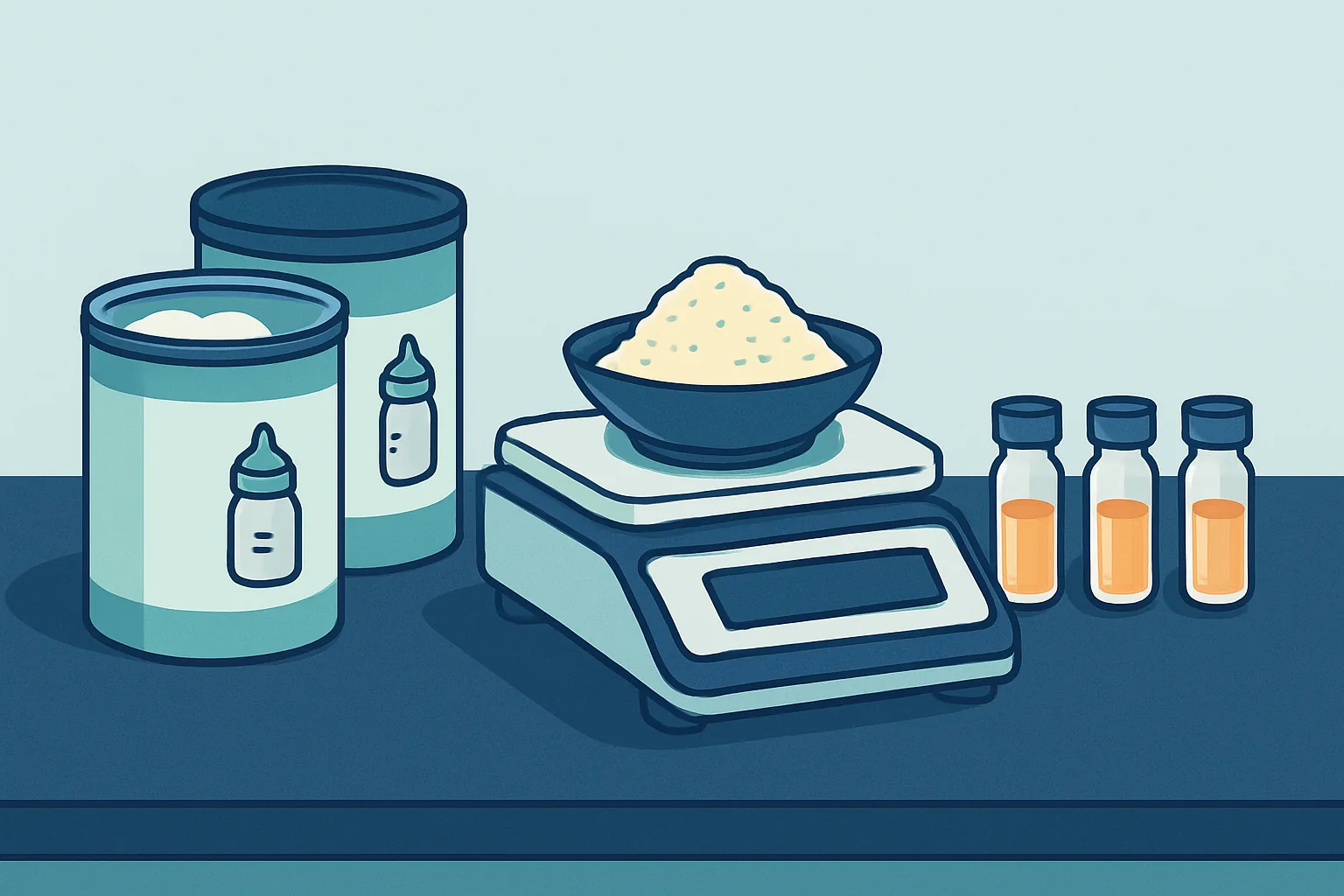
Melamine and the Loophole That Poisoned Infant Formula
For a century the food industry measured protein by measuring nitrogen. Melamine is mostly nitrogen and no protein at all, and that gap was eventually exploited…
-
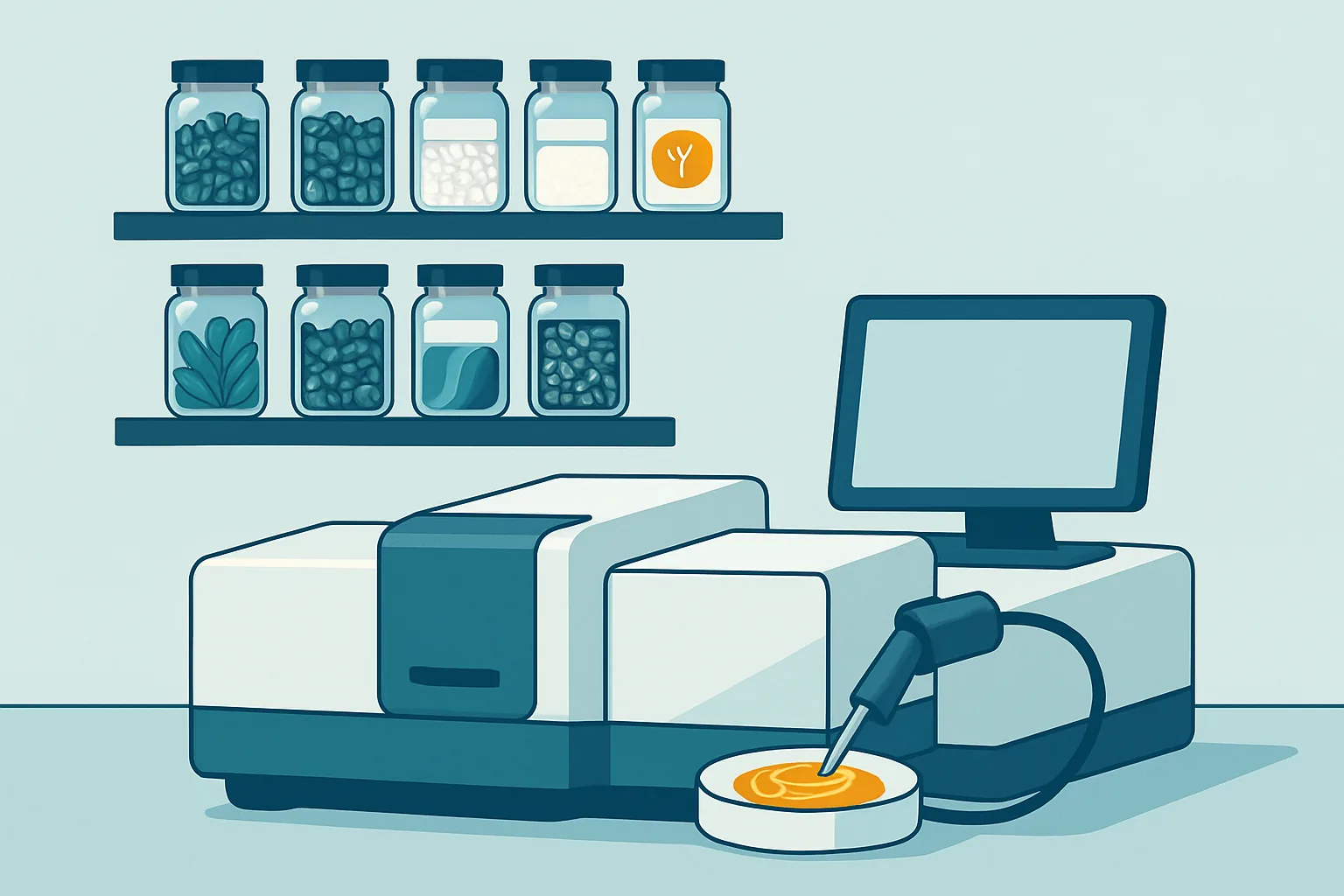
Food Fraud: How Laboratories Detect Adulteration
Authenticity testing is an arms race in which laboratories must guess the next substitution before it happens, because a targeted test only finds what it was…
-
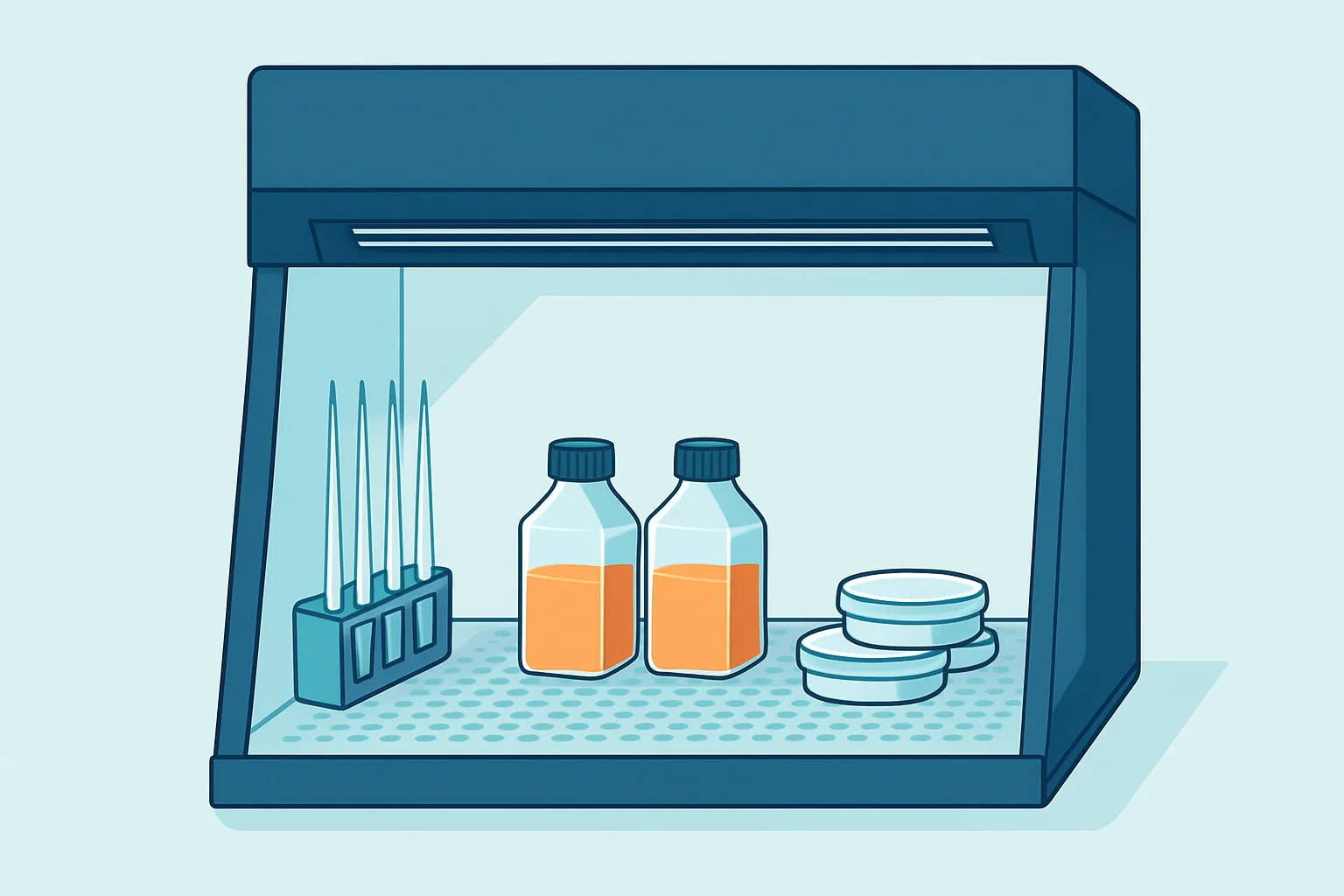
Aseptic Technique: The Habits That Keep Cultures Clean
Aseptic technique is not a list of rules to memorise. It is airflow management and hand choreography, and once you see it that way the rules…
-
At-Home Blood Test Kits and What You Trade Away
Home test kits usually run on the same analysers hospitals use. What changes is everything that happens to the sample before it arrives.

-
ASCP Certification: What the Exam Expects From You
The board exam does not test whether you can recite a method. It tests whether you can decide what to do when a result, a control…

-
Biobanking: Storing Human Samples for Decades
Keeping human samples frozen for thirty years is the easy part of biobanking. Knowing what they are, who agreed to what, and how to find them…

-
Becoming a Medical Laboratory Scientist: The Realistic Path
The training route into the clinical laboratory is well defined. The parts recruitment material tends to skip are the night shifts, the rotations and the licensing…

-
False Positives and Negatives: The Arithmetic of Doubt
A test described as 99 percent accurate can still produce more false positives than true ones. The missing ingredient is how common the condition is.

-
Allergen Testing and the May Contain Label Problem
A may contain warning is not a test result. In most places it is a voluntary sentence a manufacturer chose to print, with no required measurement…