Lab Science & Research
Bench techniques, instrumentation, and how laboratory evidence is really made — from PCR to peer review.
-
Tracing Contamination Back to Its Source in the Lab
Recurring contamination survives cleaning because cleaning is a guess. Outbreak investigation offers a method that narrows the source systematically.

-
Model Organisms and the Logic Behind Choosing One
Flies, worms, fish and mice are not arbitrary choices. Each one trades similarity to humans against speed, cost and how easily its genome can be manipulated.

-
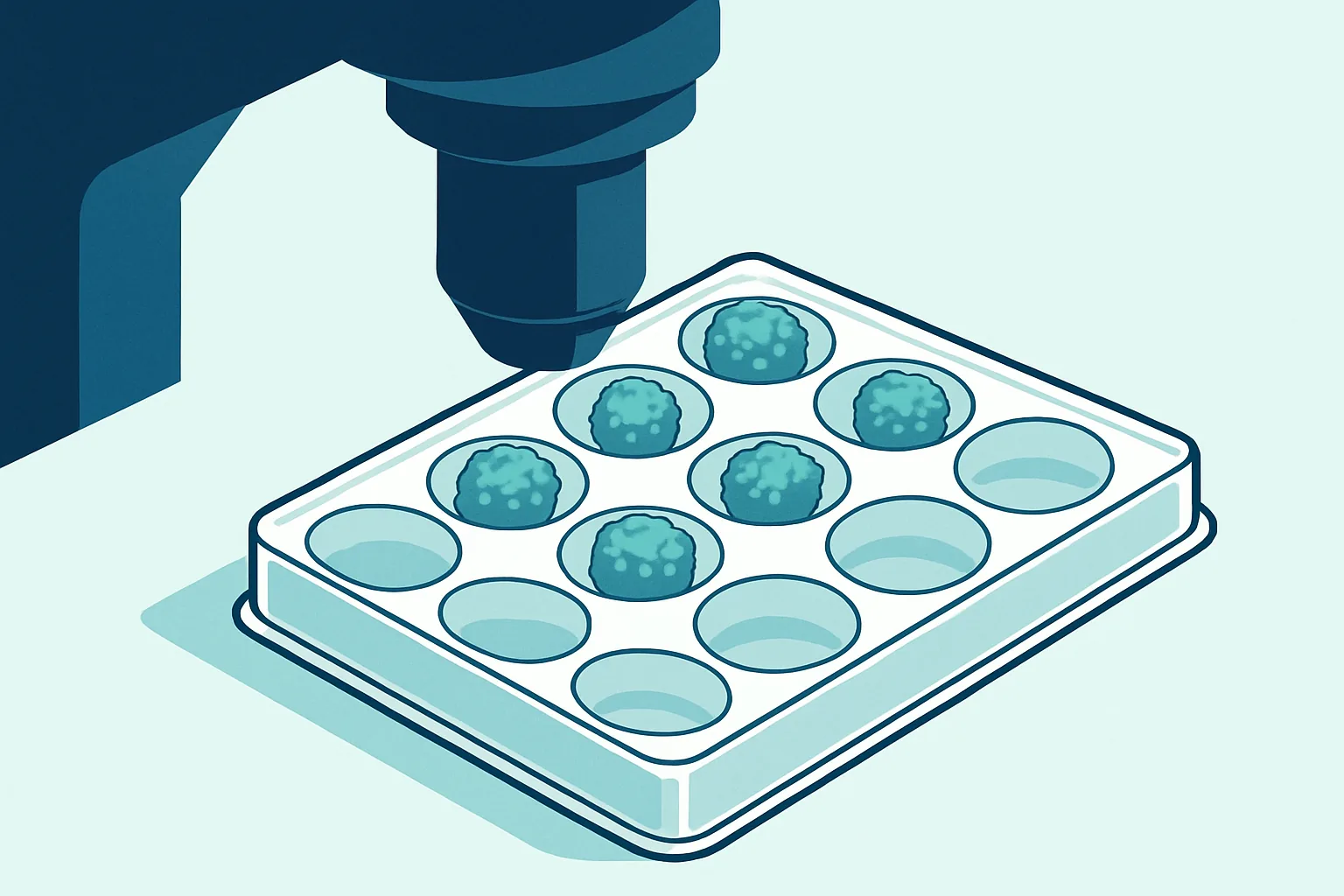
Organoids: What They Model and What They Still Miss
Organoids reproduce tissue architecture that flat cell culture cannot, and they lack blood vessels and immune cells entirely. Both facts shape what they can be used…
-
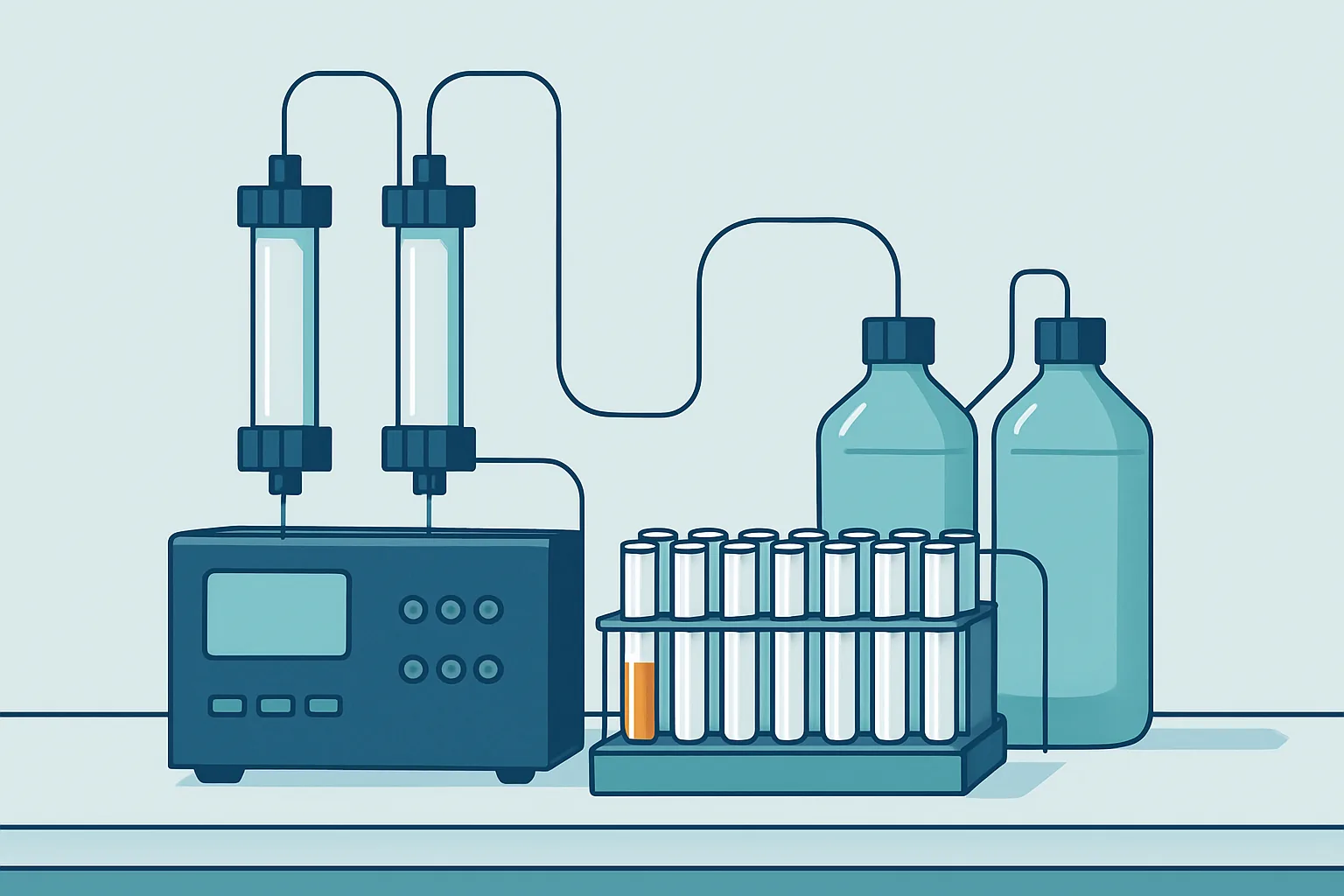
Protein Purification: Building a Strategy That Works
Purification is a sequence of separations that each exploit a different property. Choosing the order well is what decides whether you end up with usable protein.
-
Primer Design: The Rules That Decide Whether PCR Works
Primer design guidelines are usually presented as a flat list, but they are not equally important, and a few of them account for most real failures.

-
Statistics for Bench Scientists Who Avoided the Module
Four concepts prevent most of the statistical errors that reach publication from the bench, and none of them require any mathematics beyond arithmetic.

-
Electronic Lab Notebooks Versus Paper: An Honest Comparison
Electronic notebooks win decisively on search and audit trails, and lose on flexibility and exit costs. Both facts matter when choosing.

-
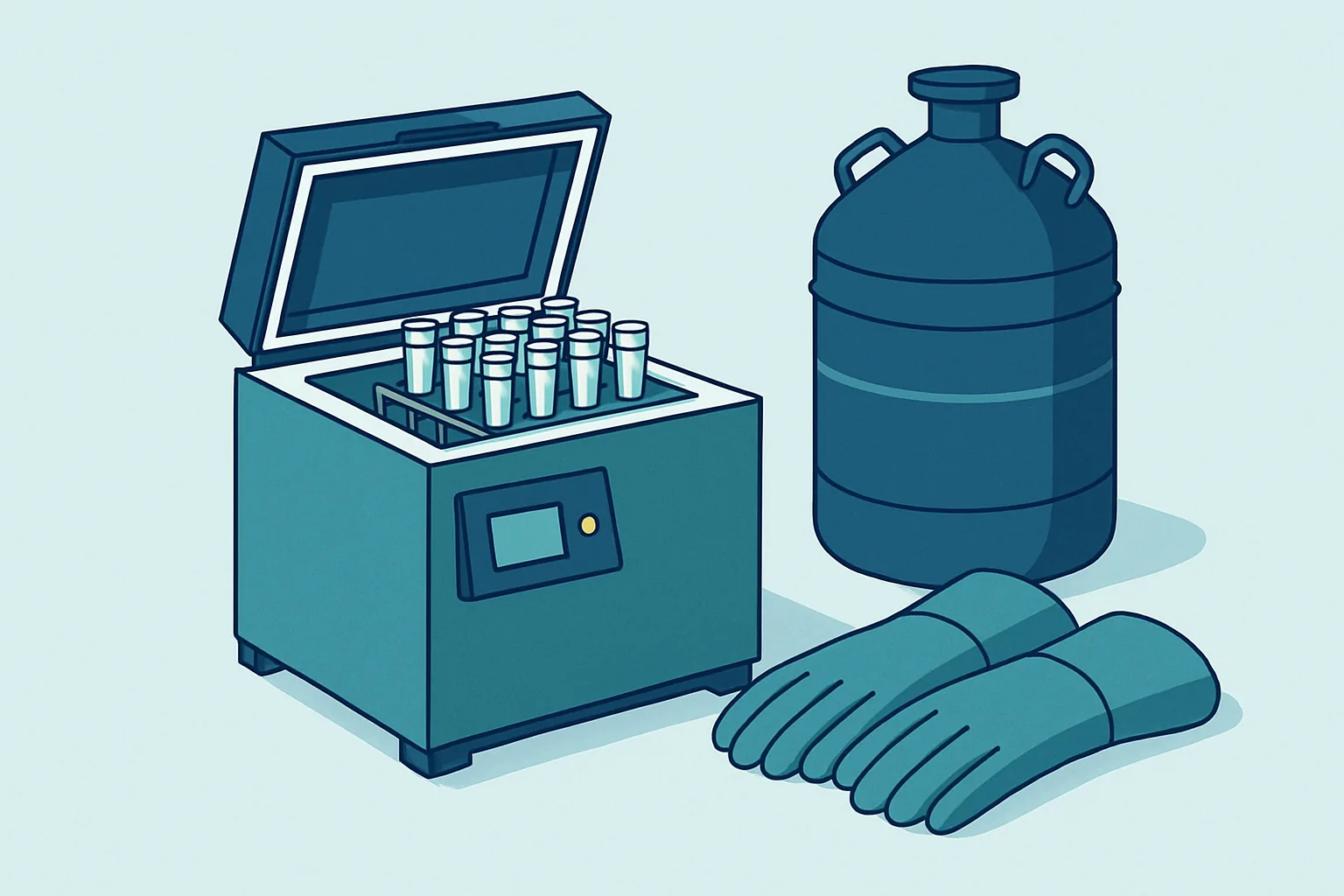
Cryopreservation: Freezing Cells Without Destroying Them
Cells are not killed by cold. They are killed by ice and by the concentrated solution ice leaves behind, which is why cooling rate decides survival.
-
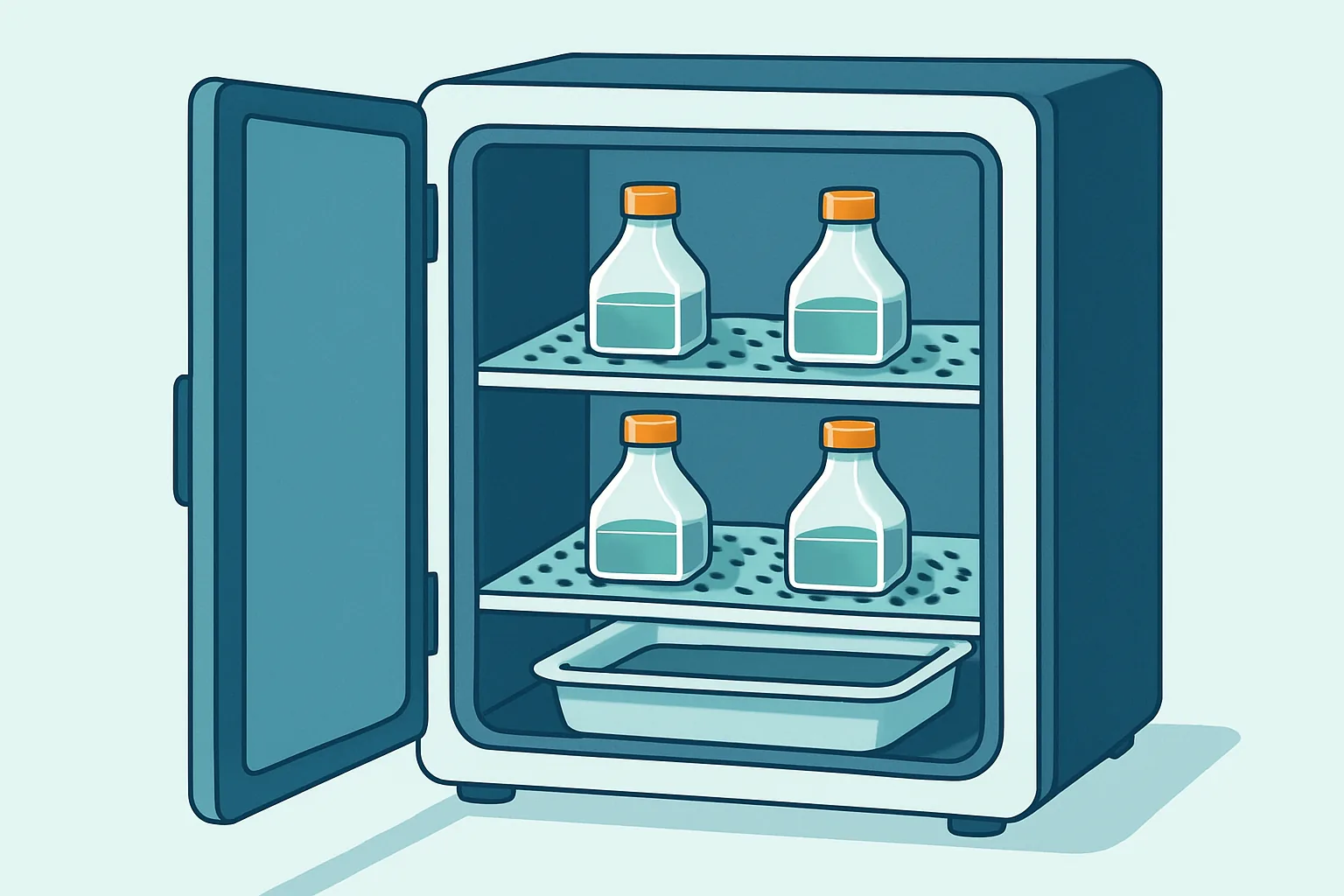
CO2 Incubators and the Art of Keeping Cells Alive
The gas setting on an incubator is not a convention, it is one half of a chemical buffer whose other half is dissolved in the medium.
-
Antibody Validation: The Quiet Crisis in Protein Research
A commercial antibody is a biological reagent with no guarantee it binds only your protein, and the consequences run through thousands of published figures.