Everything we have published, newest first. Use the section links in the header to narrow by area, or the search box to look for a specific test, technique or term.
-
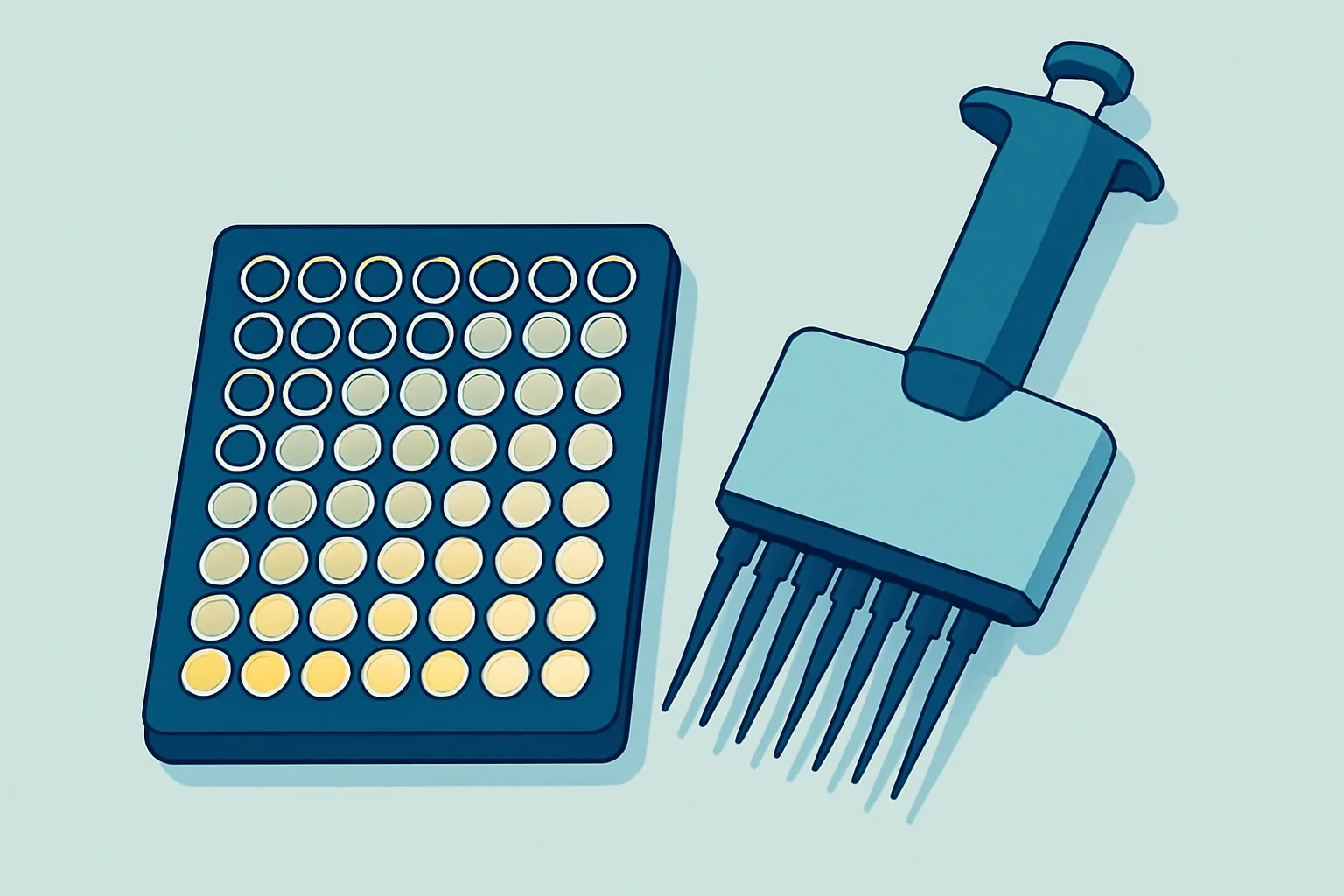
Food Pathogen Testing From Enrichment to Confirmation
A food pathogen test takes days rather than hours because the laboratory must first persuade a handful of injured bacteria to multiply into billions.
-
Where Laboratory Reference Ranges Actually Come From
The printed normal range is not a boundary between health and disease. It is a statistical description of where most of a selected healthy group happened…

-
How Peer Review Actually Works and Where It Fails
Peer review is often treated as a certificate of truth. It is closer to an informed reading by two or three busy strangers who never see…

-
Drinking Water Testing: What Home Test Kits Miss
Home water kits answer a narrow set of questions well and go quiet on most of the contaminants people actually worry about.

-
Cortisol Testing: Why Collection Timing Beats the Value
A cortisol result without a clock time and a collection method attached is close to uninterpretable, because the hormone changes several-fold across a day.

-
The Reproducibility Crisis Seen From the Bench
Most replication failures are not caused by fraud but by ordinary bench realities: drifting protocols, variable reagents, small samples and selective reporting.

-
Good Laboratory Practice and What It Actually Governs
Good Laboratory Practice regulates how a study is documented and traced, not whether the science inside it was any good, and the difference matters.

-
Allergy Testing: Blood IgE Versus Skin Prick Tests
Both allergy tests detect antibodies rather than allergy itself, which is why a positive result and a real reaction are not the same finding.

-
Supplement Label Accuracy: What Testing Programmes Find
Independent testing of supplements keeps finding the same handful of failures, and knowing which ones are common changes how you read a label.

-
Tumour Markers: What They Can and Cannot Tell You
Tumour markers are good at watching a known cancer and poor at finding an unknown one, and the arithmetic behind that difference is worth understanding.

-
Laboratory PPE and What Each Layer Actually Protects
Every item of laboratory protective equipment was designed against a specific hazard, and most failures happen when the item is worn against a different one.

-
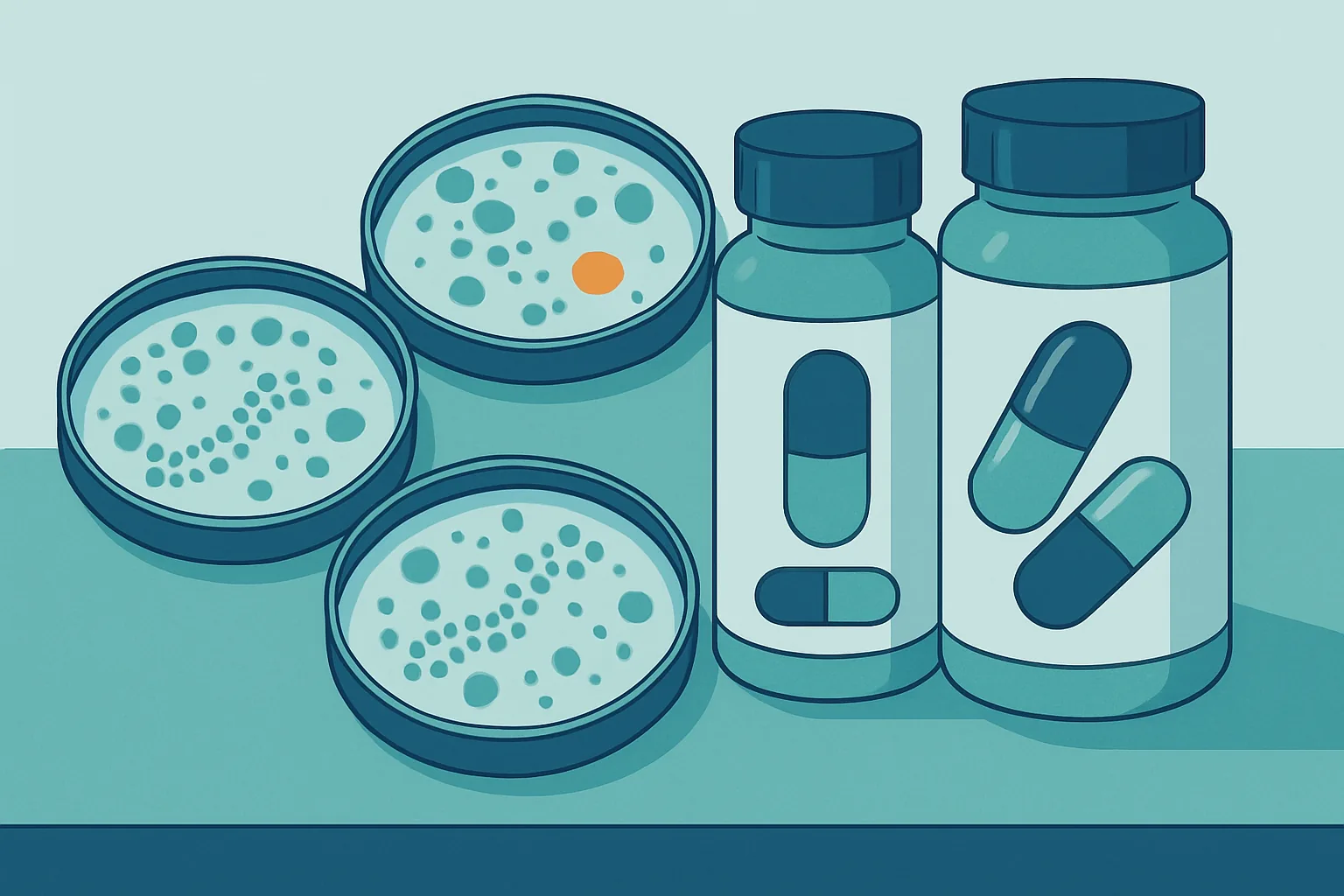
Probiotic CFU Claims and What Survives to the Expiry Date
A probiotic count is a measurement of living cells at one moment, and the moment a manufacturer chooses to measure changes the number more than anything…
-
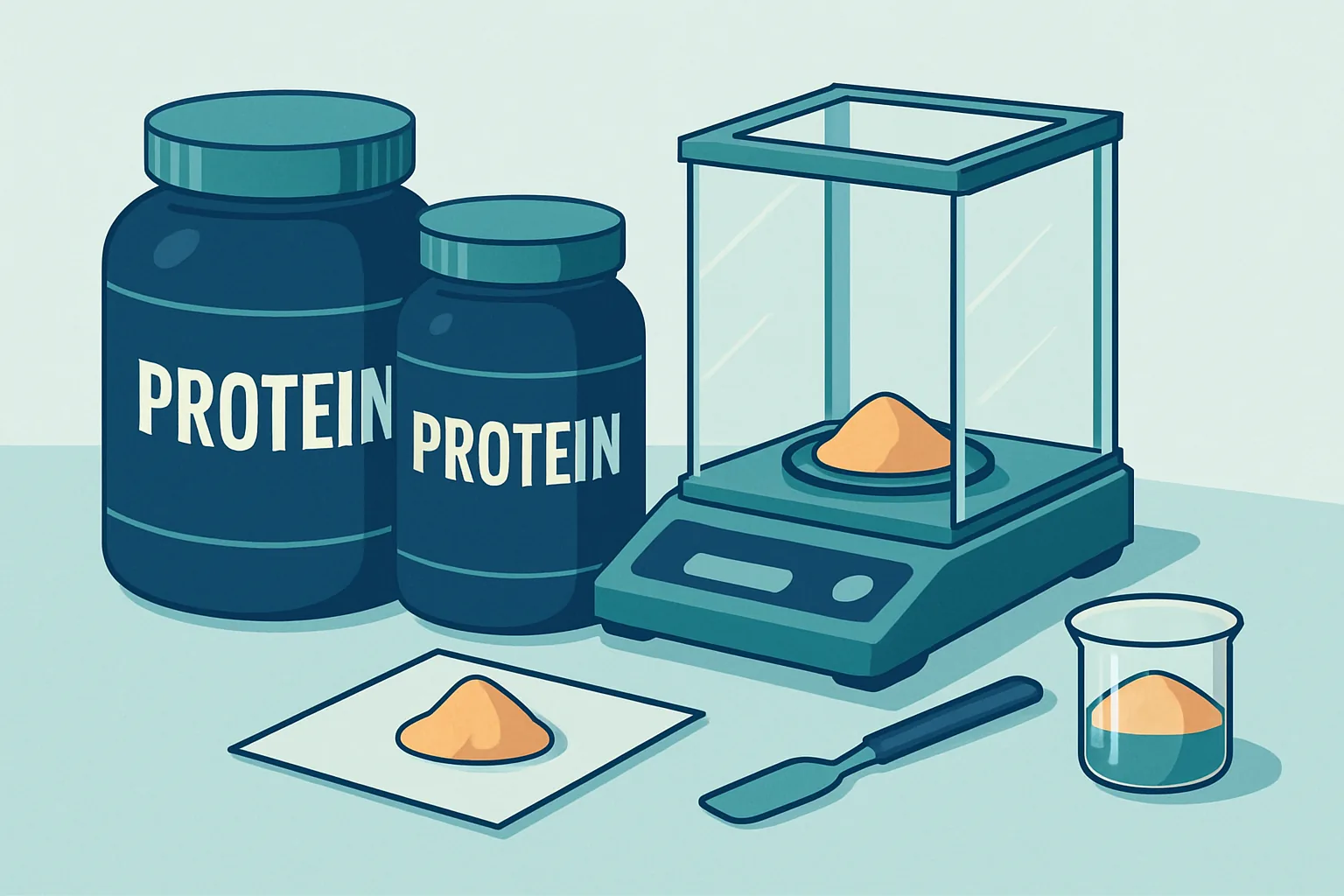
Protein Spiking: How Powders Fake Their Protein Content
Standard protein testing does not measure protein at all; it measures nitrogen and multiplies, and that shortcut is the entire basis of amino spiking.
-
Coagulation Testing: PT, INR and aPTT in Plain Terms
The INR is not a biological measurement at all; it is a correction applied to make prothrombin times from different laboratories comparable.

-
Spectrophotometry: Measuring Concentration With Light
A spectrophotometer never measures concentration; it measures how much light failed to arrive, and the difference matters as soon as readings stop being linear.

-
Mycotoxins: The Fungal Contaminants in Everyday Foods
Mycotoxin contamination is wildly uneven within a shipment, which makes drawing the sample harder and more error-prone than analysing it.
-
Next-Generation Sequencing From Sample to Variant Call
The sequencing itself is the most automated part of the workflow; library preparation and the analysis pipeline are where data quality is actually decided.

-
Urinalysis: From Dipstick Colours to Microscopy
A urine test is three tests stacked on top of each other, and each layer answers a different question the one before it could not.

-
Pesticide Residue Testing: How Produce Gets Screened
A residue detection and a residue problem are not the same finding, and the gap between them is where most pesticide headlines are made.

-
ELISA: The Workhorse Immunoassay Explained Step by Step
Four ELISA formats share the same plate and the same colour change but measure quite different things, and knowing which one a kit uses changes how…