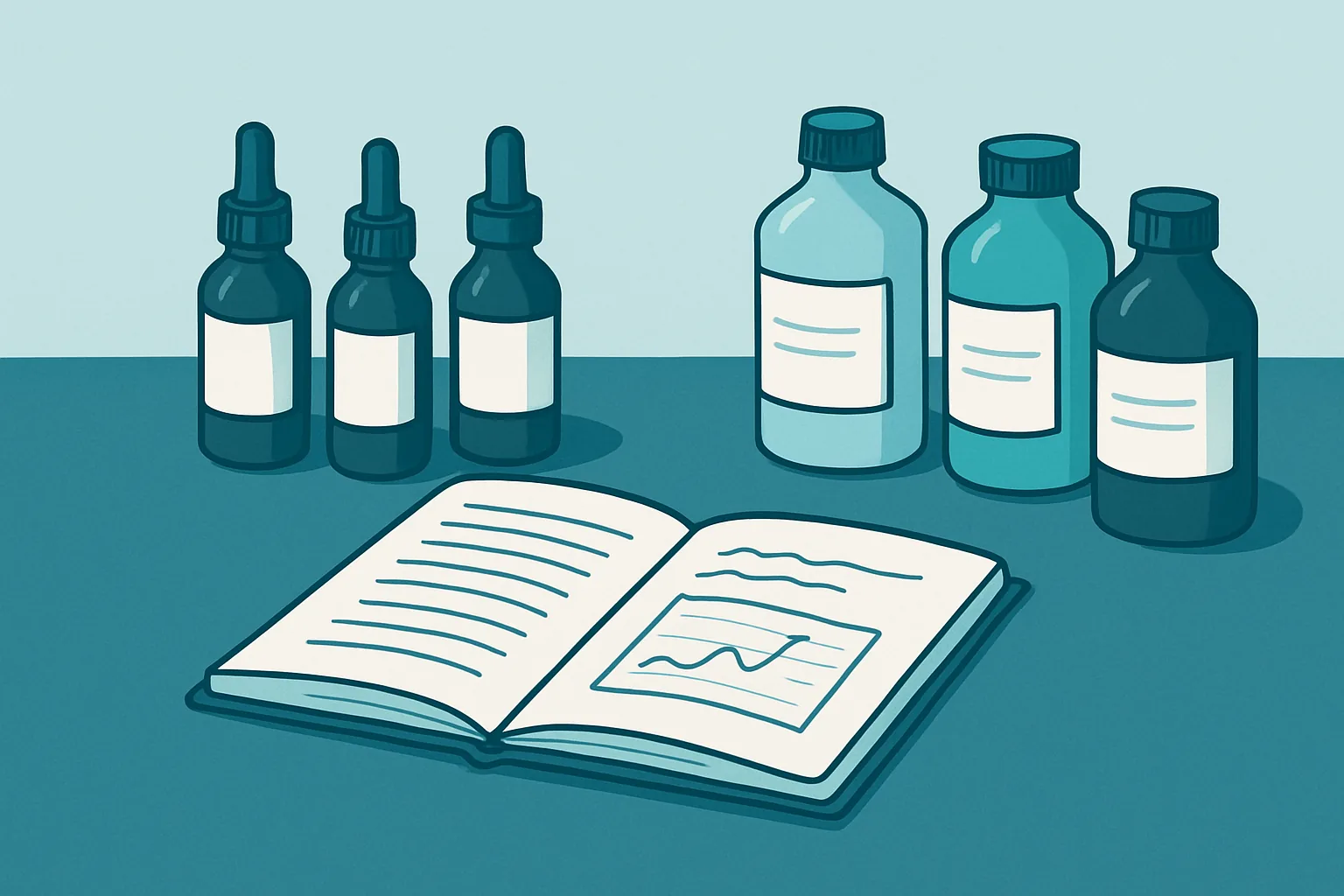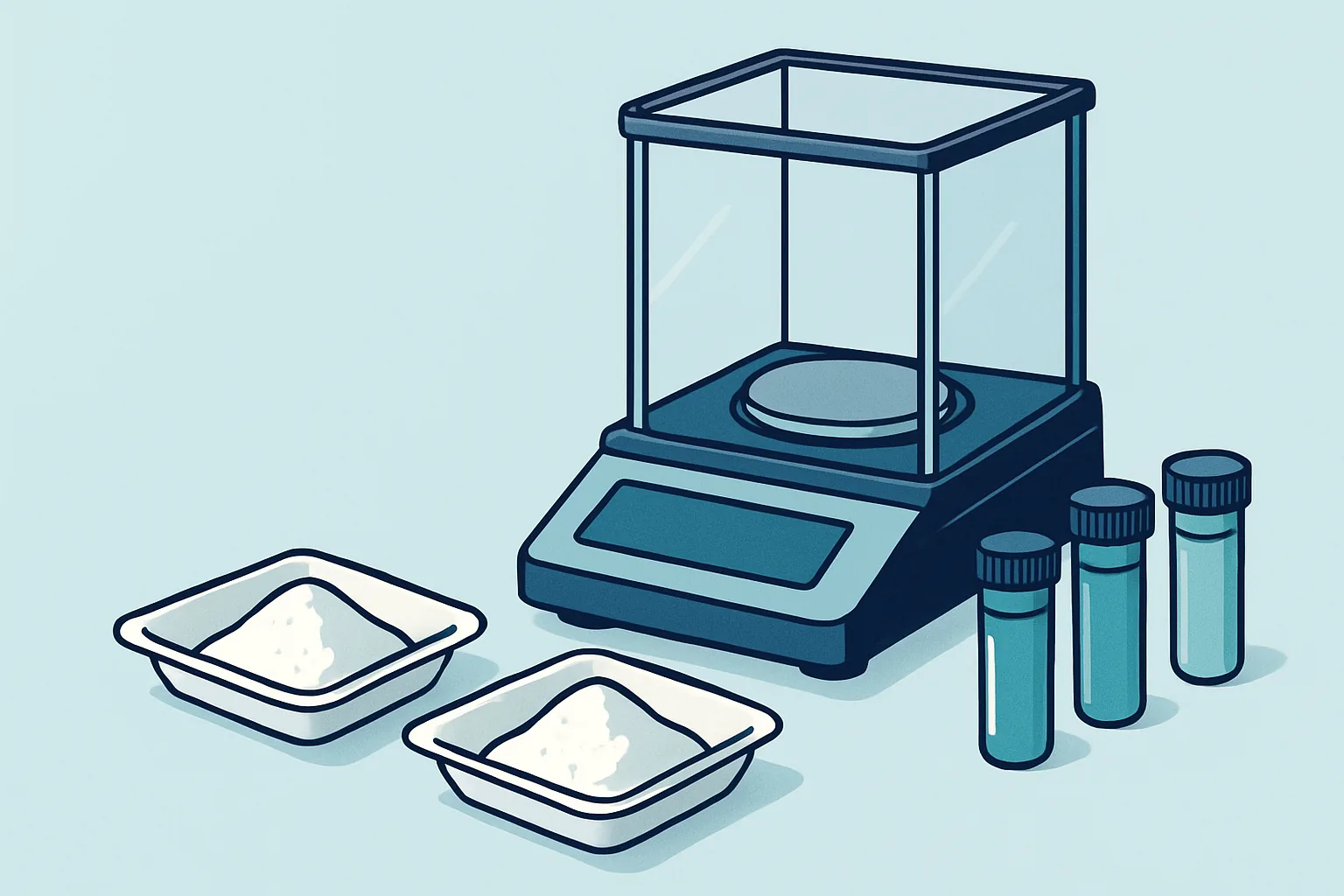

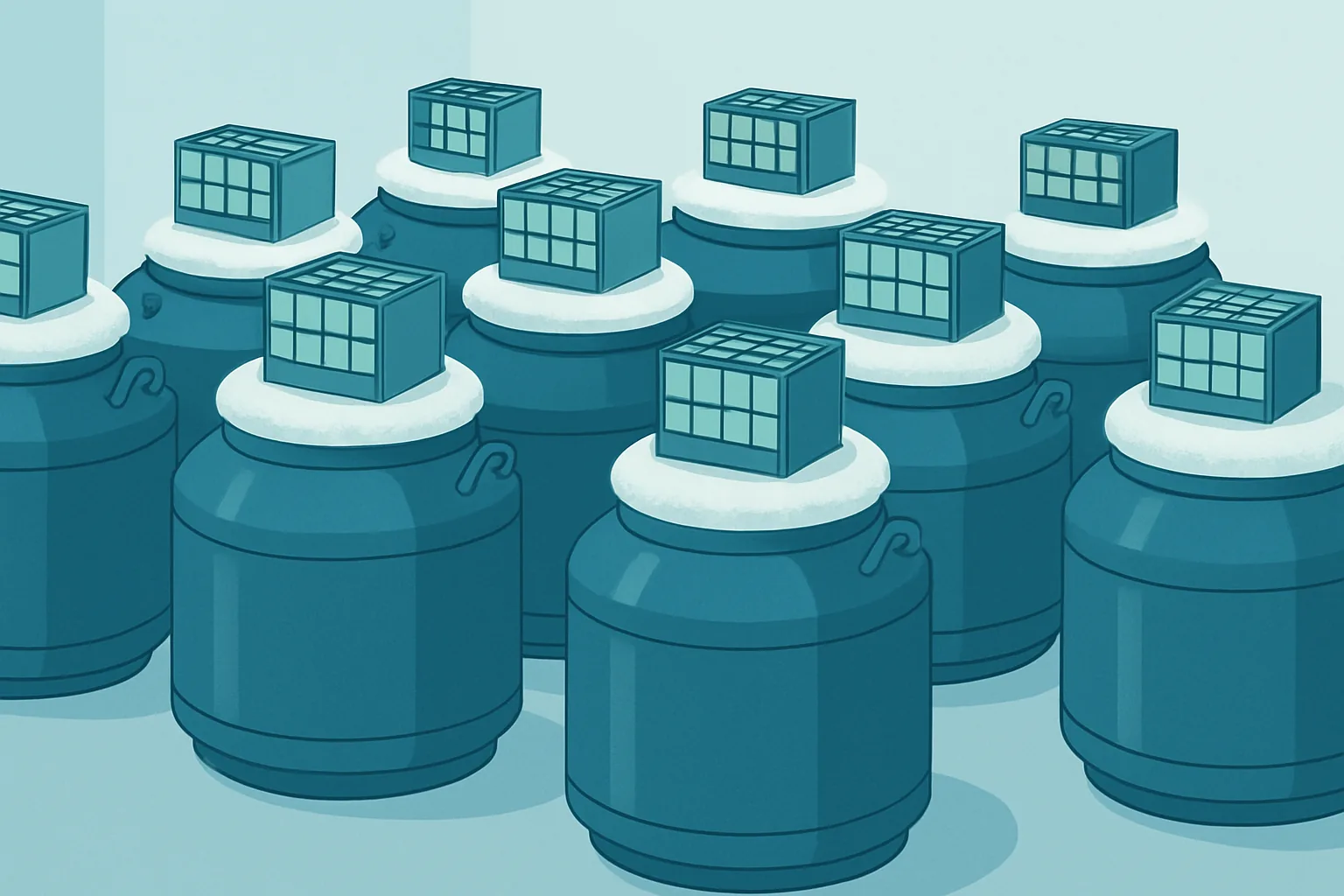
A large cohort study reports that a blood marker measured decades ago predicts an outcome that nobody was thinking about at the time. The result depends entirely on infrastructure that gets almost no attention: someone collected those samples, processed them within a defined window, split them into portions, recorded exactly what was done, stored them at a temperature that preserved the analyte, obtained consent broad enough to cover a question not yet asked, and kept a record good enough that the right vials could be found thirty years later.
Any one of those steps failing renders the collection worthless, and the freezer is rarely the step that fails. Freezers are an engineering problem with known solutions. The genuinely hard problems in biobanking are informational and ethical: describing samples well enough that a future researcher can trust them, and securing permission for research that cannot yet be specified.
A biobank that solves the cold and neglects the rest is a very expensive collection of anonymous ice.
Key takeaways
- A sample without complete processing and clinical annotation is of little research value regardless of how well it was frozen.
- Storage temperature is chosen per analyte, and colder is not automatically better once cost and capacity are counted.
- Broad consent with ongoing governance has become the workable answer to research that cannot be specified in advance.
- Aliquoting at collection is the main defence against freeze-thaw damage, because retrieval always causes warming.
- Access committees and data linkage, not freezer capacity, determine how much science a collection actually produces.
What a Biobank Physically Contains
The word covers a wide range of operations. At one end sits a hospital pathology archive holding tissue blocks from routine diagnostics, accumulated over decades without any research design. At the other sits a purpose-built population cohort that recruited hundreds of thousands of volunteers, collected a standardised set of specimens from each, and stores them in automated facilities.
The specimen types are relatively few and each behaves differently. Whole blood is collected into tubes chosen for the intended use, then usually separated. Plasma and serum are the most commonly banked fractions, and the choice between them matters: serum is what remains after blood clots, so the clotting process consumes and releases various proteins, while plasma is collected with an anticoagulant that itself affects downstream assays. A collection that banked only serum has quietly excluded some future measurements.
The white cell layer, the buffy coat, is banked as a DNA source and is remarkably robust. Some biobanks go further and cryopreserve viable cells with a protectant so that living cells can be recovered years later, which is far more demanding and expensive than storing material only for its molecules.
Tissue arrives in two forms. Fixed and paraffin-embedded blocks, the standard product of diagnostic pathology, are stable at room temperature for decades and hold excellent morphology, but the fixation chemistry cross-links proteins and fragments nucleic acids, limiting some molecular work. Fresh tissue snap-frozen shortly after removal preserves molecules far better and morphology far worse, and it requires the surgical and laboratory coordination to freeze within minutes.
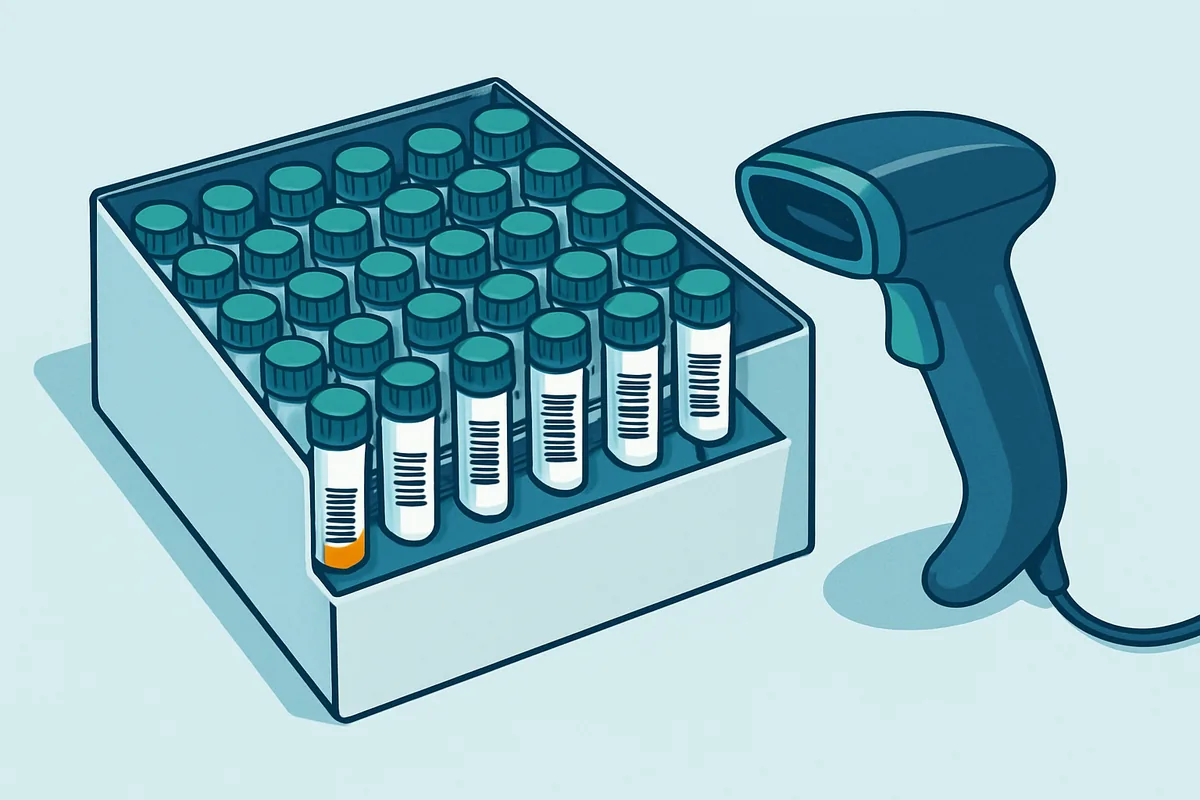
Urine, saliva, stool, cerebrospinal fluid and, increasingly, isolated nucleic acids and derived cell lines complete the typical inventory, alongside the tracking hardware: barcoded cryovials, racks, robotic retrieval in the largest facilities, and continuous environmental monitoring.
Temperature Tiers and Storage Choices
Cooling slows the chemistry that degrades biological molecules, and different degradation processes stop at different temperatures. Choosing a tier means matching the storage to what the sample is for and what the collection can afford to run indefinitely.
| Tier | Typical use | Preserves | Main limitation |
|---|---|---|---|
| Room temperature | Fixed paraffin blocks, dried spots, stabilised DNA | Morphology, fragmented nucleic acid | Slow chemical change; no protein activity |
| Refrigerated | Short-term holding before processing | Short-term integrity only | Not a storage solution beyond days |
| Around minus twenty | Some DNA, certain routine chemistries | Robust analytes | Water remains mobile; unsuitable for long-term protein work |
| Around minus eighty | Plasma, serum, buffy coat, frozen tissue | Most proteins, RNA, metabolites | Mechanical failure risk; substantial energy demand |
| Vapour-phase liquid nitrogen | Viable cells, precious irreplaceable material | Cell viability on recovery | Cost, handling hazard, nitrogen supply dependence |
The important physical threshold is the glass transition of the aqueous mixture, below which water can no longer move freely and diffusion-driven chemistry effectively stops. Storage around minus eighty sits near that region for many biological solutions, which is why it became the default for most banked fluids. Liquid nitrogen vapour phase sits well below it and is used where cells must survive rather than merely be preserved chemically.
Vapour phase rather than immersion has become the norm for nitrogen storage. Immersing vials lets nitrogen enter through imperfect seals, creating both a contamination route between samples and an explosion hazard when a vial warms rapidly. Storing above the liquid avoids those risks, at the cost of a temperature gradient that must be mapped and monitored.
Redundancy is the part that separates a serious facility from a well-intentioned one. Mechanical freezers fail, and they fail in ways that are only obvious hours later. Serious facilities run continuous temperature monitoring with alarms that reach a person at any hour, back-up power, spare empty freezers kept cold and ready to receive contents, and a documented plan for moving thousands of boxes quickly. Many split irreplaceable collections across two physically separate sites, because the failure that destroys a collection is usually a building event rather than a compressor.
Annotation and Why Metadata Decides Value
A vial with a barcode and nothing else is scientifically inert. What converts material into a resource is the description attached to it, and that description has two layers.
The first is pre-analytical annotation: what happened to the sample between the person and the freezer. This includes the collection tube and additive, the time of collection, whether the donor had fasted, how long the sample sat before processing, the centrifugation conditions, how many times it was handled, and the date it was frozen. These variables are not bookkeeping. Time to processing changes measured concentrations of many analytes because cells continue metabolising in the tube. Different anticoagulants interfere with different assays. A collection where these details were recorded can be analysed with the variation accounted for; a collection where they were not has a hidden variable that may correlate with the very groups being compared, because samples from one clinic were consistently processed faster than samples from another.
The second layer is donor and clinical annotation: demographics, phenotype, diagnosis, treatment, and ideally outcomes accumulated over time. This is where the scientific value concentrates. A well-annotated cohort with long follow-up supports questions that no volume of unannotated material can answer, because the whole point of a stored sample is comparing it against what later happened to the person.
Standardised vocabularies matter more than they appear to. If one site records a diagnosis as free text and another uses a coded classification, merging the collections requires manual reconciliation that nobody funds, which is why the field has invested heavily in common minimum data sets and agreed reporting of pre-analytical conditions.
The recurring failure is annotation that decays. The clinical database is upgraded and the linkage keys change, the person who understood the local coding retires, follow-up stops. The samples remain perfectly frozen and progressively less useful.
Consent Models for Future Unknown Research
Consent for research is normally specific: a participant is told what will be done, by whom, and to what end. Biobanking breaks that model, because the entire purpose is to enable research that has not been conceived yet.
Broad consent is the pragmatic answer that most large biobanks have adopted. Participants agree that their samples and data may be used for future health-related research within defined limits, on the understanding that each specific project will be reviewed and approved by an independent body before it proceeds. The consent is broad in scope but paired with ongoing governance, so the participant is not consenting to anything at all, but to a process with defined boundaries and an ethics committee standing in for them.
Alternatives exist and each has costs. Tiered consent lets participants opt in or out of categories, such as commercial use, genetic analysis or contact for further studies. It respects preferences more finely, at the price of considerable administrative complexity and collections fragmented into subsets with different permissions. Dynamic consent uses a digital interface through which participants see how their samples are used and adjust permissions over time. It is attractive in principle and demanding in practice, requiring sustained engagement over decades and creating uncertainty for researchers who cannot know whether their cohort will shrink mid-study.
Several issues recur regardless of model. Withdrawal has to be defined concretely: can a participant have remaining material destroyed, and what happens to results already published or data already shared. Commercial use is consistently the point on which participants hold the strongest views, and failing to be explicit about it damages trust badly. Return of individual findings raises hard questions, since a research measurement is not a clinical test and may not have been made under conditions suitable for medical decisions, yet withholding a genuinely actionable finding is difficult to defend. And re-identification risk from genomic data means that describing samples as anonymous is often inaccurate; pseudonymised is usually the honest word.
Sample Retrieval and Aliquot Strategy
The decisive design choice is made at collection, years before the first request arrives: how finely to divide the material.
Aliquoting means splitting a specimen into multiple small portions before freezing, so that a project needing a small volume can be given a single vial that is thawed once and consumed. The alternative, storing a specimen in one large tube, means every request thaws the entire remaining volume, and by the fifth project the material has been through five freeze-thaw cycles.
The trade-off is storage capacity and labour. More aliquots mean more vials, more space, more consumables and more handling at collection, which is the busiest and most time-pressured moment in the workflow. Too few aliquots and the collection degrades with use. Too many and the facility fills with vials too small for anything useful. Most biobanks settle on volumes chosen against the assays they expect to be requested, and reserve a portion of each donation as an untouched final aliquot that requires senior approval to release.
Retrieval itself is a physical problem that facilities work hard to minimise. Opening a minus eighty freezer raises the temperature of everything near the door, and pulling a rack to find one vial exposes hundreds of neighbours. Well-run facilities work in pre-cooled conditions, plan retrievals in batches so the door opens once for many requests, and record every excursion. Automated stores handle this best, picking individual tubes robotically from a chamber that never warms, which is a large part of their justification.
Locating the vial depends entirely on the inventory system. Every container carries a machine-readable identifier tracked to the level of freezer, shelf, rack, box and well, and facilities audit this by picking vials at random and checking they are where the database says. Discrepancy rates in that audit are one of the more honest indicators of how well a biobank is run.
Freeze-Thaw Cycles and Degradation
Repeated freezing and thawing damages samples through mechanisms worth understanding, because they explain why the rules are strict.
As a solution freezes, pure water forms ice crystals and everything dissolved is excluded into a shrinking volume of remaining liquid. That residual fluid becomes concentrated in salts and shifts in pH, exposing proteins to conditions they would never encounter otherwise. Proteins denature, aggregate and precipitate. Ice crystals themselves disrupt membranes and cellular structures mechanically, and slow freezing produces larger, more damaging crystals than rapid freezing. Thawing reverses the process through the same damaging intermediate state, so each cycle passes the sample twice through the zone where harm occurs.
Different analytes tolerate this very differently. DNA is remarkably robust and survives many cycles with little measurable damage. RNA is far more fragile, because ubiquitous degrading enzymes become active as the sample warms and RNA is chemically less stable to begin with. Proteins vary enormously: some are essentially unaffected, while others lose measurable activity after a single cycle, and complexes and cells are the most vulnerable of all.
The consequence for research is subtle and important. Freeze-thaw damage rarely destroys a sample outright. It shifts measured values, and it shifts them systematically in the direction of lower apparent concentration for affected analytes. If the samples in one study group have been thawed more often than those in another, perhaps because that group was used in an earlier project, the resulting bias looks exactly like a biological difference. This is why freeze-thaw count is recorded per vial and reported to researchers, and why an untouched reserve aliquot is so valuable.
Governance, Access and Data Linkage
A biobank’s output is not measured in vials stored but in research enabled, and that depends on governance rather than refrigeration.
Access is normally managed by a committee that reviews applications against defined criteria: scientific merit, whether the proposed use falls within participant consent, whether the sample volume requested is justified, whether the applicant can actually perform the work, and whether the request would exhaust an irreplaceable resource. The committee balances two failure modes. Release too freely and precious material is consumed by weak projects; release too restrictively and the collection becomes a monument, accumulating storage costs while producing nothing. Publishing access criteria and turnaround times, and reporting how many applications are approved, is how well-run biobanks keep themselves accountable on this.
Data linkage is where the scientific leverage lies. Connecting stored samples to routinely collected health records, disease registries, prescribing data and mortality records converts a static collection into a longitudinal one without recontacting anyone. This requires a linkage infrastructure, legal authority, and a technical design that lets researchers analyse linked data without holding identifiers themselves. Increasingly the samples travel less and the data does not travel at all: researchers work inside a secure environment where the data resides, and take only results away.
Sustainability is the quiet crisis of the field. Biobanks are typically established with project funding on a defined timescale and then need to run for decades, while electricity, nitrogen, maintenance, staff and information systems remain permanent costs. The collection becomes most valuable precisely as its original funding ends. Cost recovery from users covers part of it, but charging enough to fund the whole operation would price out the researchers it exists to serve. Some collections have been consolidated or transferred to national infrastructure; some have been destroyed for want of anyone to pay the electricity bill.
Frequently asked questions
How long can a frozen sample actually remain usable?
For robust analytes stored consistently at low temperature, the practical answer is decades, and there is no clear expiry point so long as the temperature is genuinely maintained. DNA in particular is very stable. What limits usable life in practice is rarely slow chemical decay but discrete events: a freezer failure, an accumulation of thaw cycles, or the loss of the records that say what the sample is. Stability also differs by analyte, so a collection may remain excellent for genomic work while no longer supporting reliable measurement of a fragile protein.
Why not simply store everything in liquid nitrogen to be safe?
Because cost, capacity and handling risk rise substantially and the benefit only applies to some material. Nitrogen storage requires a reliable supply chain, specialist handling with oxygen-depletion monitoring, and more expensive containers, and it is genuinely necessary mainly where cells must be recovered alive. For plasma, serum and extracted nucleic acids, mechanical storage around minus eighty preserves the relevant molecules adequately, so committing an entire collection to nitrogen would spend a large budget for little additional scientific return.
Can participants find out what their samples were used for?
Increasingly yes, at the level of projects rather than individual vials. Many large biobanks publish summaries of approved studies and their results, and some maintain participant portals. Individual results are usually not returned, because research assays are often performed under conditions not validated for clinical use, and an unvalidated number can prompt harmful action. Where a finding is clearly actionable, most established biobanks now have a defined pathway for confirming it in an accredited laboratory before anyone is told.
What happens to samples if a biobank closes?
That should be defined in advance, and the better-governed collections state it in their participant information and their governance documents. Options are transfer to another custodian who accepts the original consent terms, transfer to a national infrastructure, or destruction. In practice closure is often disorderly, with collections orphaned when a principal investigator retires or funding ends abruptly. Requiring a documented exit plan at the point a collection is established is one of the more effective reforms the field has adopted.
Does anonymising samples solve the privacy problem?
Not completely, and calling samples anonymous is usually inaccurate. Genomic data is inherently identifying, since a sequence is unique to a person and can be matched against other datasets, and rich clinical annotation can identify someone without a name. The realistic protections are pseudonymisation with keys held separately, strict access controls, secure analysis environments, and binding agreements prohibiting re-identification.
The mental model worth carrying is that a biobank is an information system that happens to be cold. The freezers are a solved engineering problem with well-understood failure modes and standard mitigations. Everything that determines whether a collection produces science in twenty years, meaning the completeness of its annotation, the breadth and honesty of its consent, the discipline of its aliquoting, and the willingness of its governance to actually release material, is organisational.
That is also where the field’s remaining problems sit. Collections are still established with excellent freezers and thin metadata, consent too narrow for the questions that arrive later, and no plan for the end of the founding grant. Those samples are perfectly preserved and quietly worthless, a more expensive outcome than never collecting them.
This is education, not medical advice. Laboratory results only carry meaning alongside your symptoms, history and examination. Talk to a qualified clinician about your own results before changing anything about your care or supplements.