
Lab Science & Research
Bench techniques, instrumentation, and how laboratory evidence is really made — from PCR to peer review.
-
Gel Electrophoresis and How to Read the Lanes
A gel image carries far more information than whether a band appeared. Position, sharpness and intensity each report on something specific that happened in the tube.

-
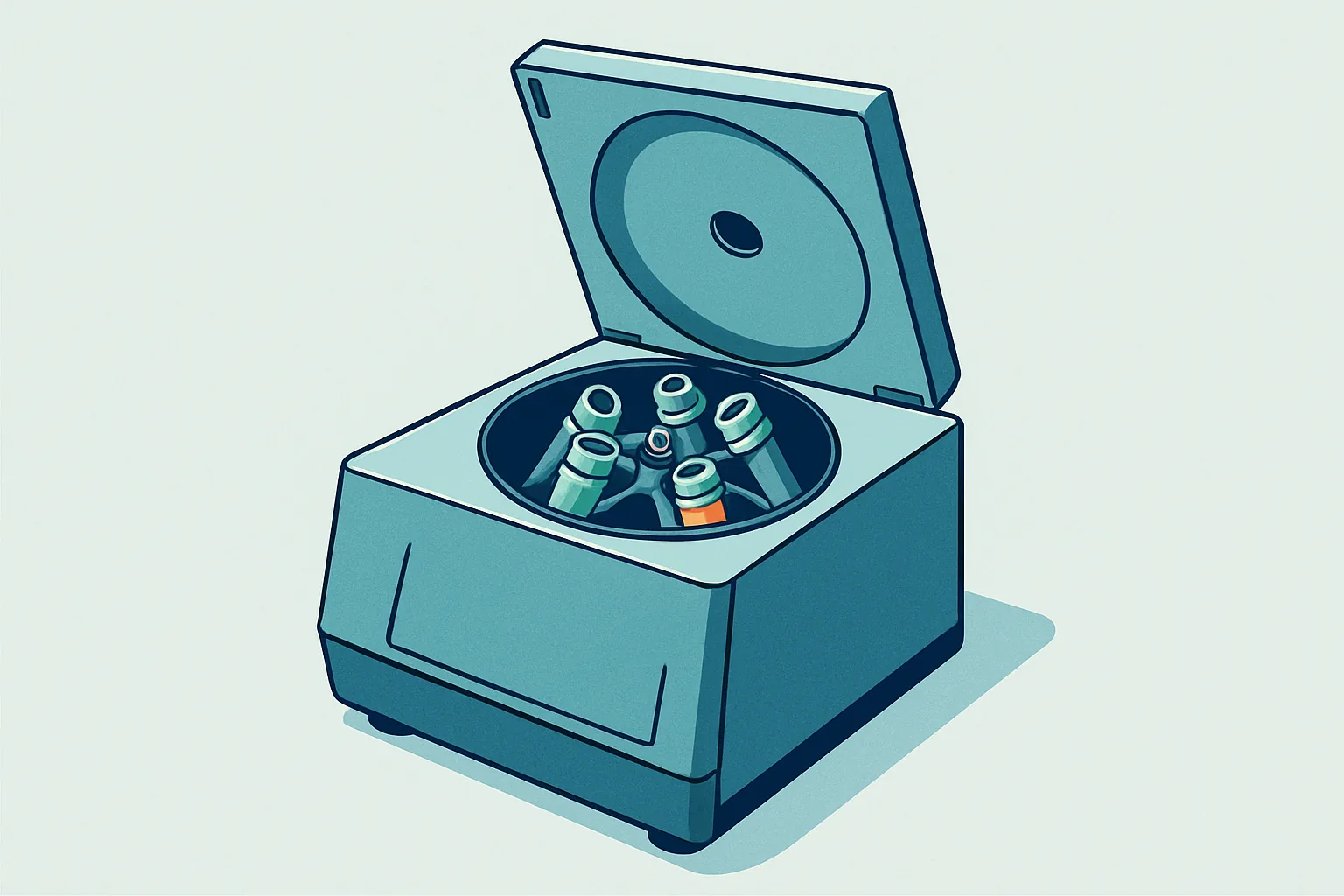
Centrifugation Theory and Why Rotor Choice Matters
A spin protocol written in revolutions per minute is not a protocol at all, because the same speed produces different forces in different rotors.
-
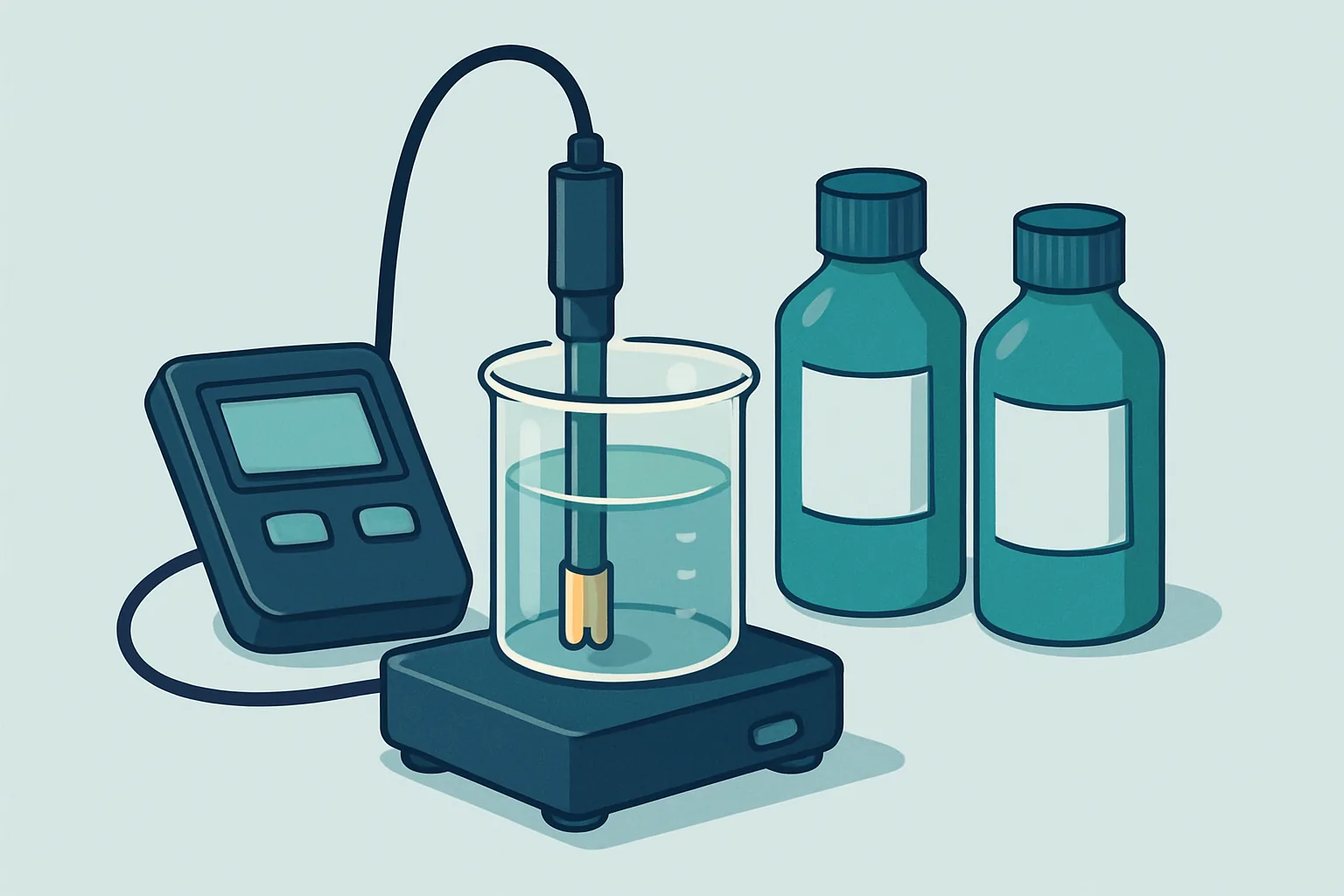
Buffers and pH: The Chemistry Behind Stable Reactions
A buffer chosen for the wrong pKa fails silently, holding its label while the reaction it was meant to protect drifts out of range unnoticed.
-
Aseptic Technique: The Habits That Keep Cultures Clean
Aseptic technique is not a list of rules to memorise. It is airflow management and hand choreography, and once you see it that way the rules…

-
Biobanking: Storing Human Samples for Decades
Keeping human samples frozen for thirty years is the easy part of biobanking. Knowing what they are, who agreed to what, and how to find them…

-
How Peer Review Actually Works and Where It Fails
Peer review is often treated as a certificate of truth. It is closer to an informed reading by two or three busy strangers who never see…

-
The Reproducibility Crisis Seen From the Bench
Most replication failures are not caused by fraud but by ordinary bench realities: drifting protocols, variable reagents, small samples and selective reporting.

-
Good Laboratory Practice and What It Actually Governs
Good Laboratory Practice regulates how a study is documented and traced, not whether the science inside it was any good, and the difference matters.

-
Laboratory PPE and What Each Layer Actually Protects
Every item of laboratory protective equipment was designed against a specific hazard, and most failures happen when the item is worn against a different one.

-
Spectrophotometry: Measuring Concentration With Light
A spectrophotometer never measures concentration; it measures how much light failed to arrive, and the difference matters as soon as readings stop being linear.