Lab Science & Research
Bench techniques, instrumentation, and how laboratory evidence is really made — from PCR to peer review.
-
Good Laboratory Practice and What It Actually Governs
Good Laboratory Practice regulates how a study is documented and traced, not whether the science inside it was any good, and the difference matters.

-
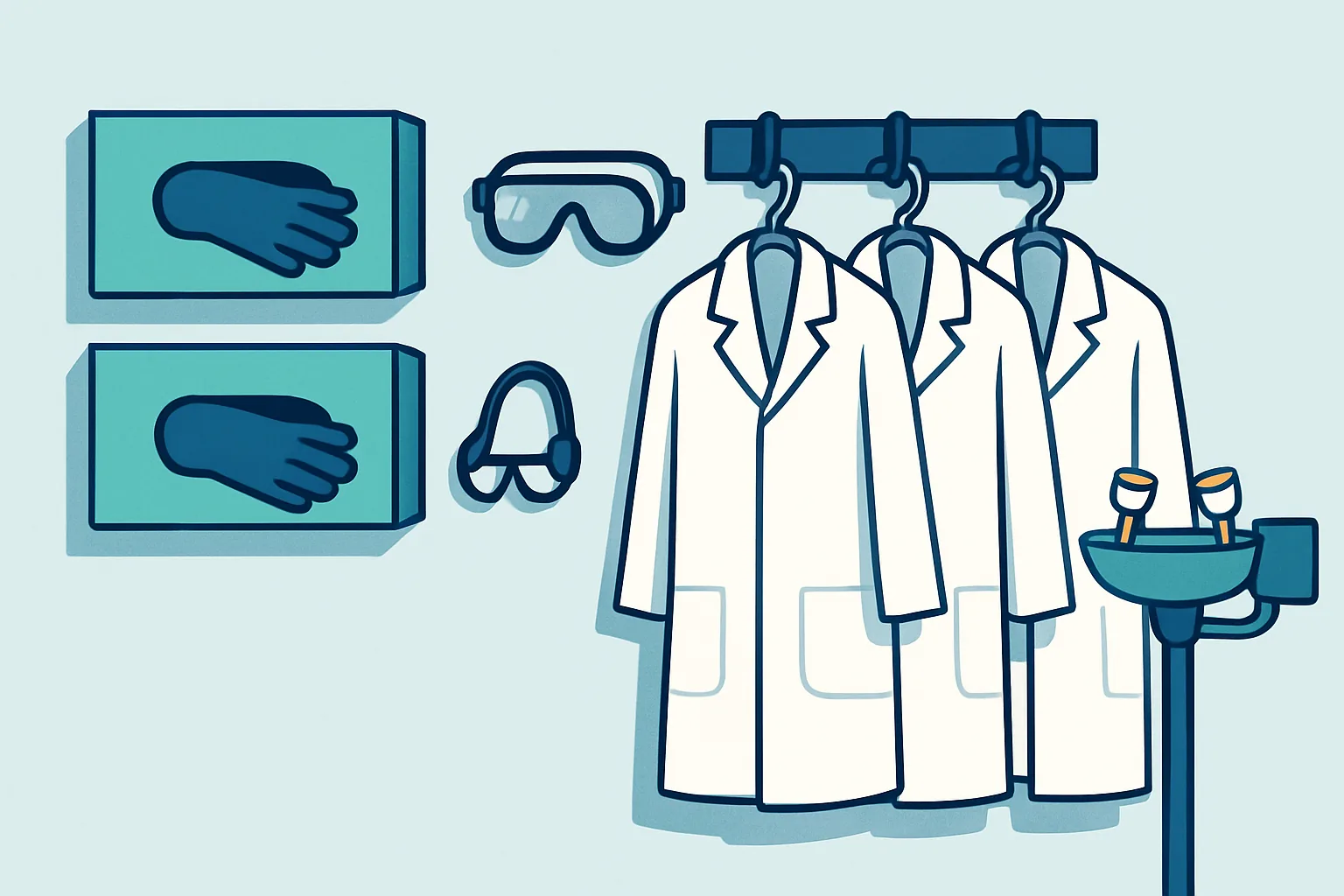
Laboratory PPE and What Each Layer Actually Protects
Every item of laboratory protective equipment was designed against a specific hazard, and most failures happen when the item is worn against a different one.
-
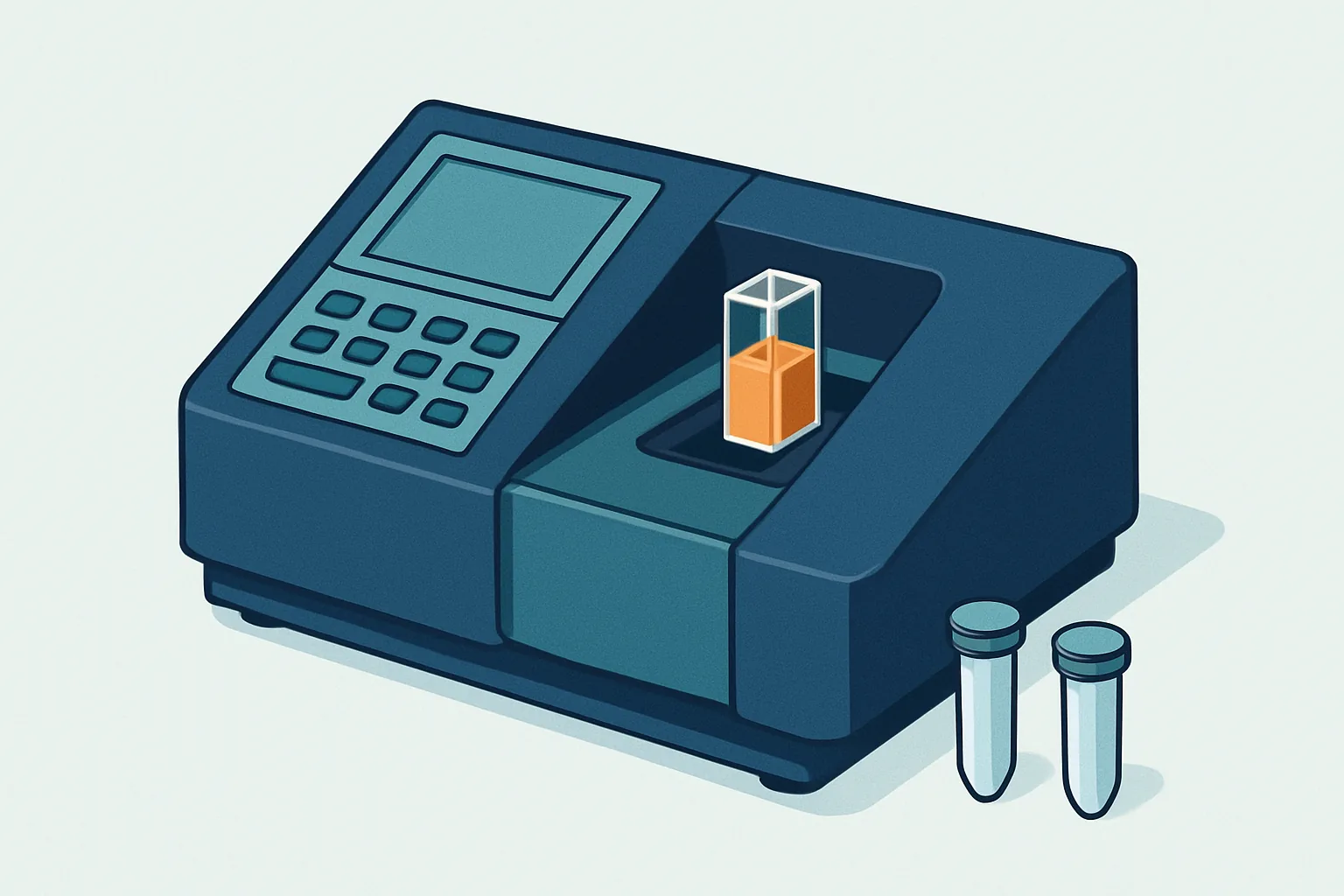
Spectrophotometry: Measuring Concentration With Light
A spectrophotometer never measures concentration; it measures how much light failed to arrive, and the difference matters as soon as readings stop being linear.
-
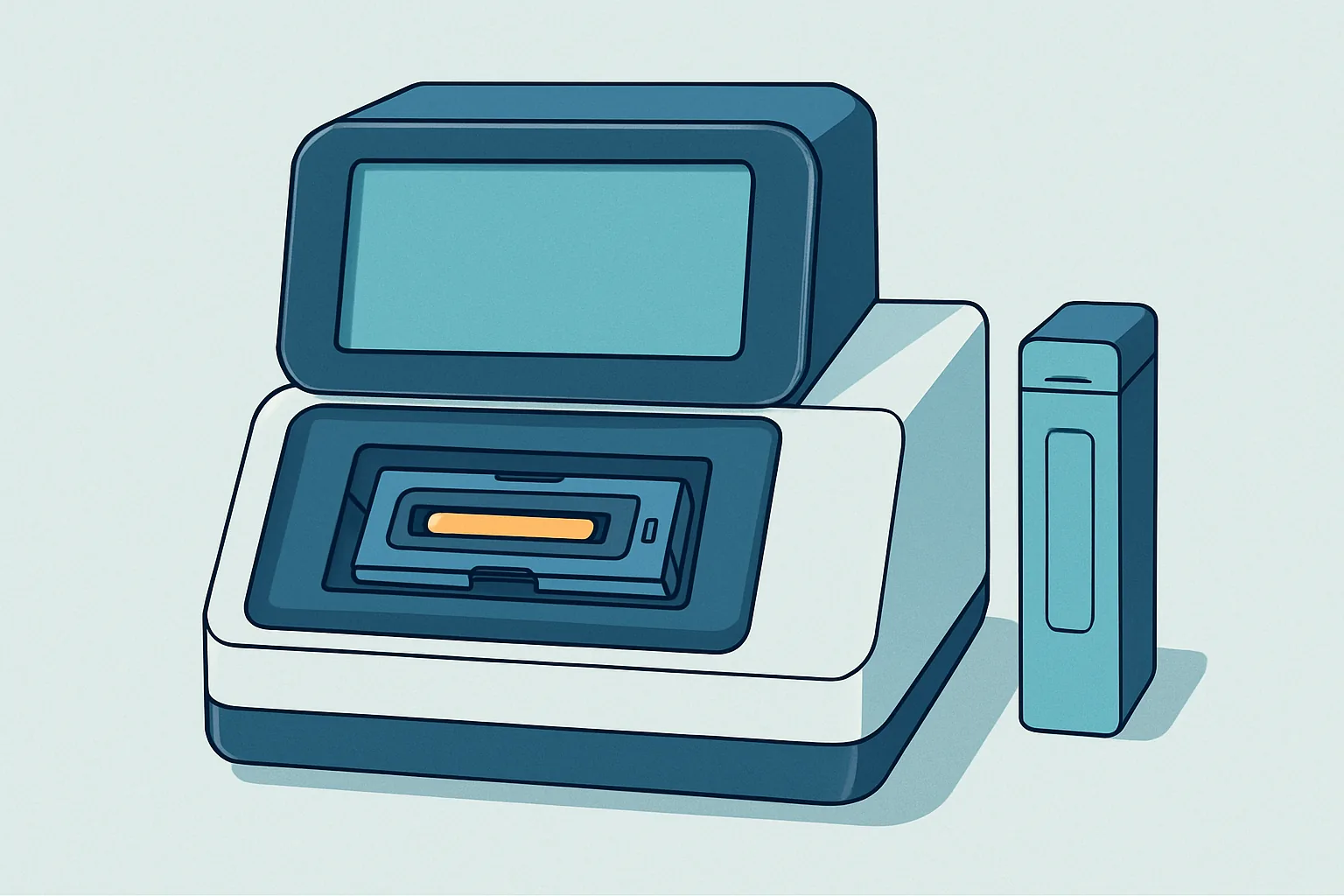
Next-Generation Sequencing From Sample to Variant Call
The sequencing itself is the most automated part of the workflow; library preparation and the analysis pipeline are where data quality is actually decided.
-
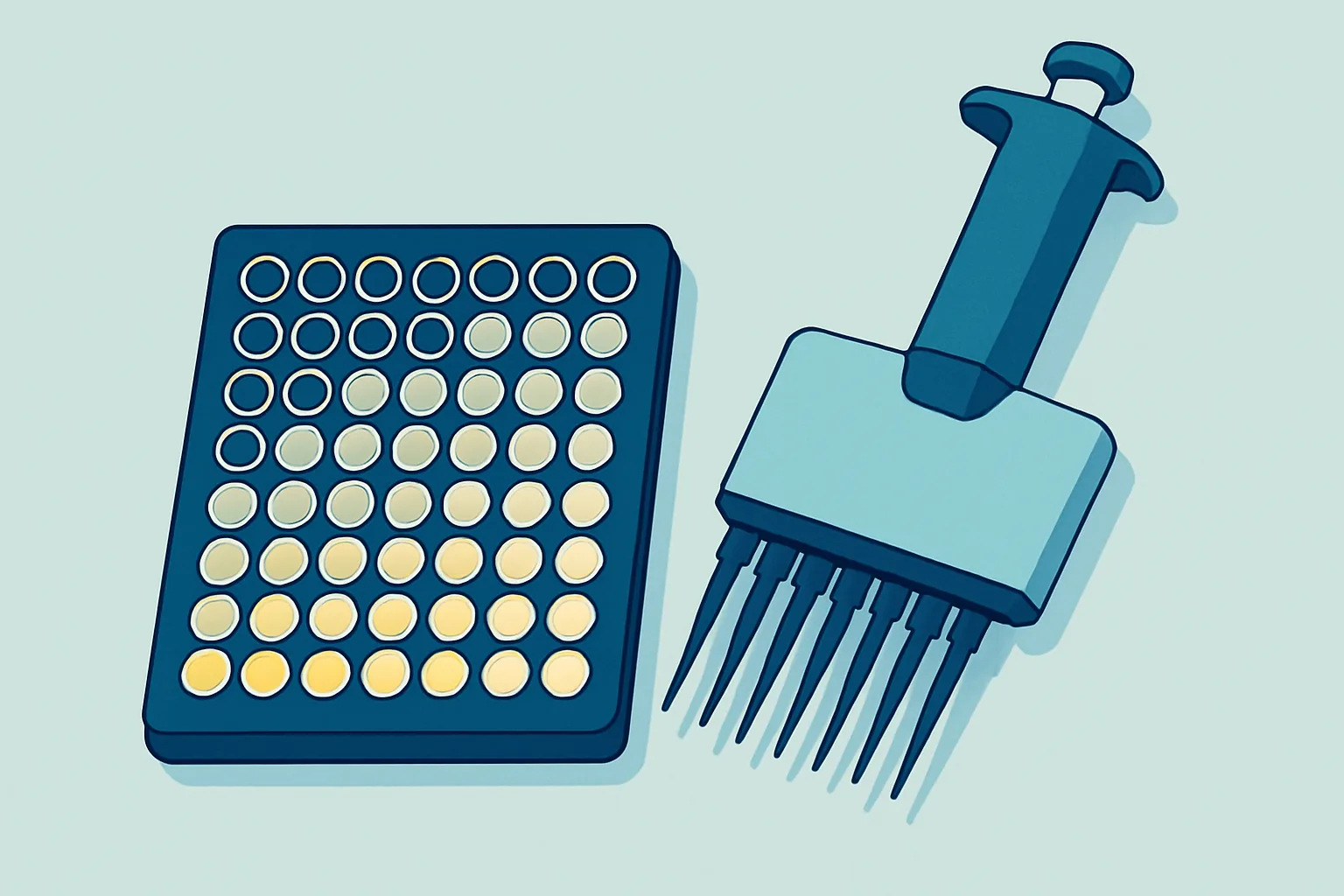
ELISA: The Workhorse Immunoassay Explained Step by Step
Four ELISA formats share the same plate and the same colour change but measure quite different things, and knowing which one a kit uses changes how…
-
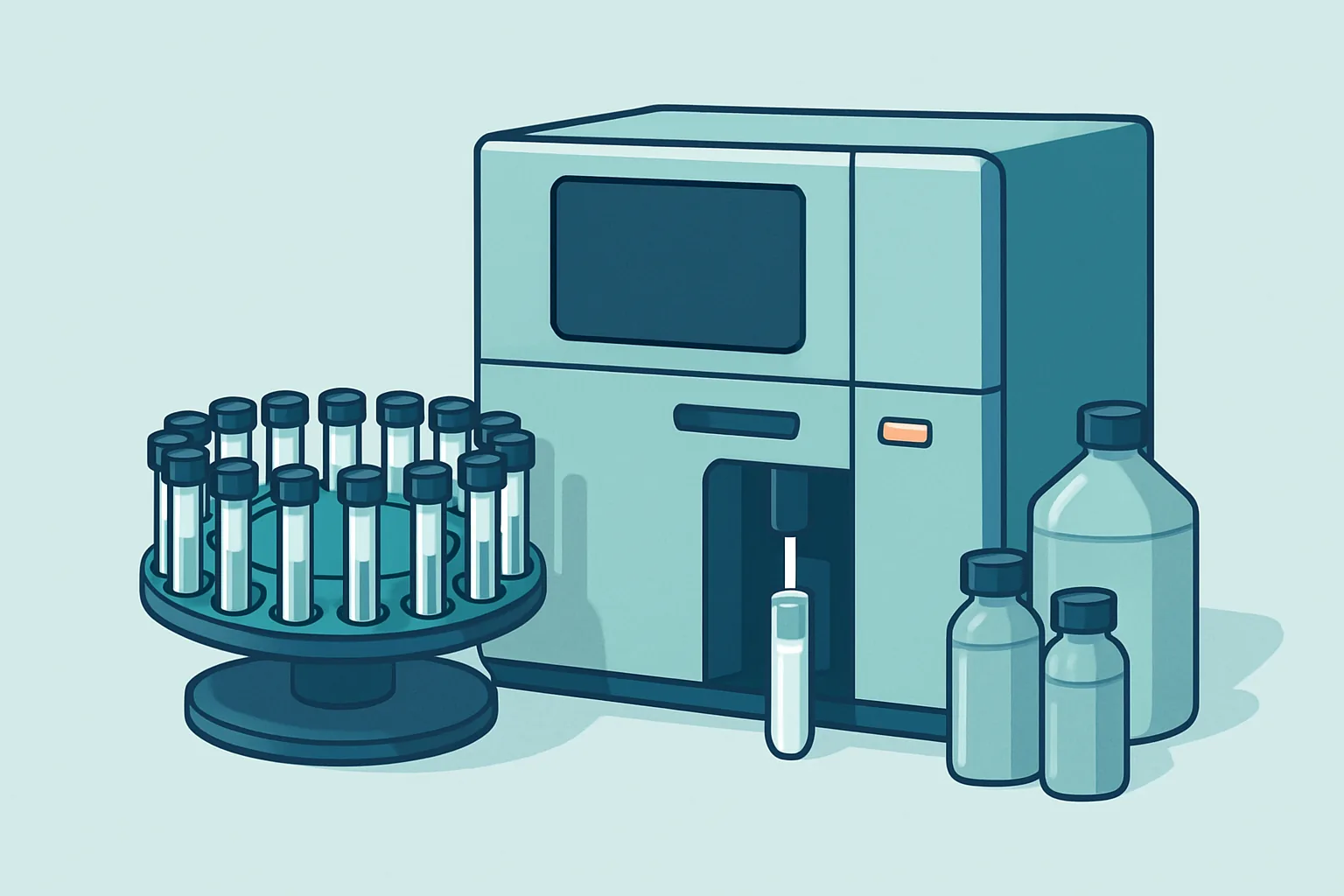
Flow Cytometry: Counting Thousands of Cells One by One
A flow cytometer interrogates cells individually at enormous speed, but the plot it produces only becomes an answer once a human decides where to draw the…
-
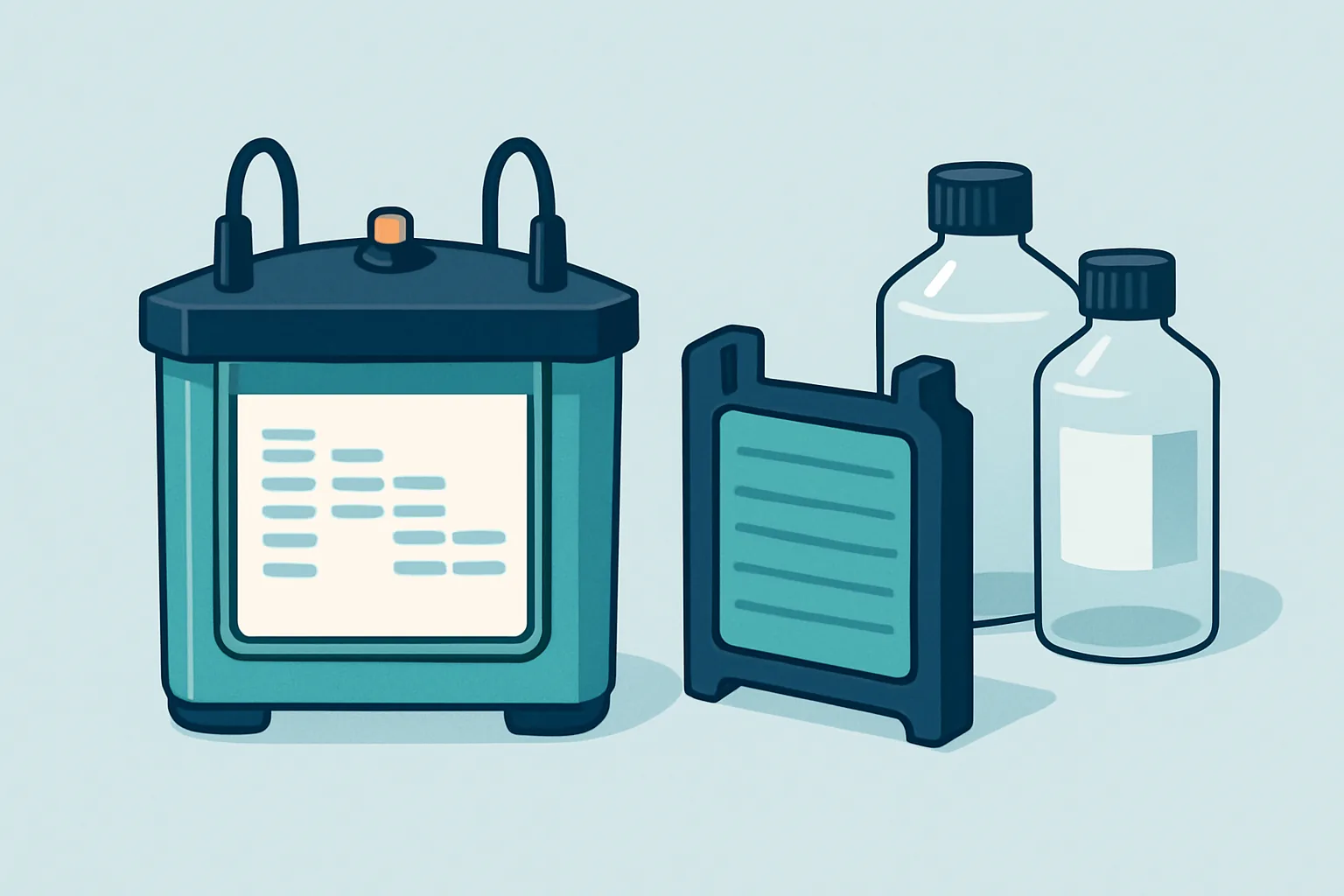
The Western Blot and Everything That Can Go Wrong
A western blot is six separate procedures chained together, and each one fails in a way that leaves a recognisable signature on the finished membrane.
-
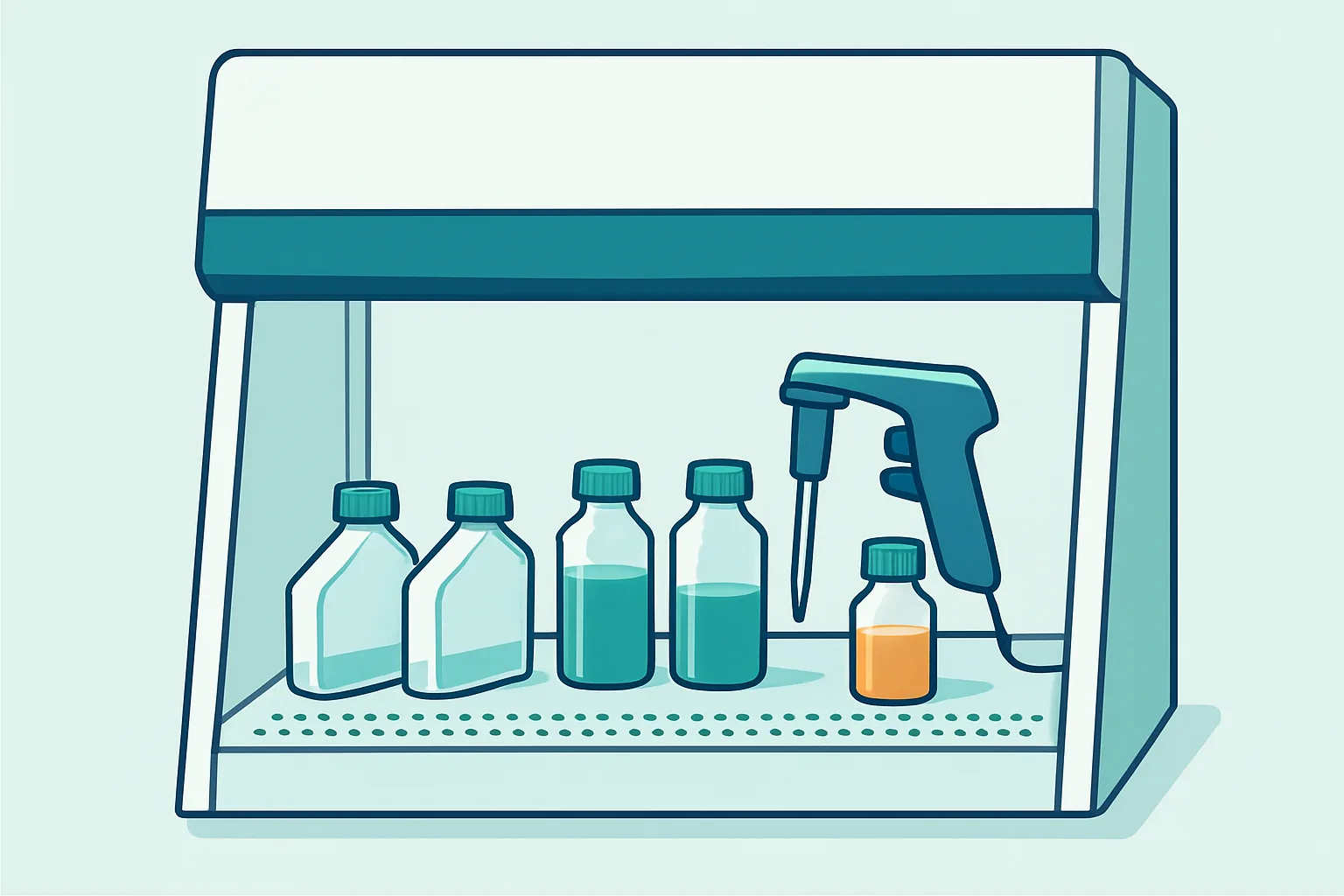
Cell Culture Contamination and How Labs Catch It
The contaminations that ruin published work are the ones you cannot see. Bacteria announce themselves within a day; mycoplasma and misidentified lines do not.
-
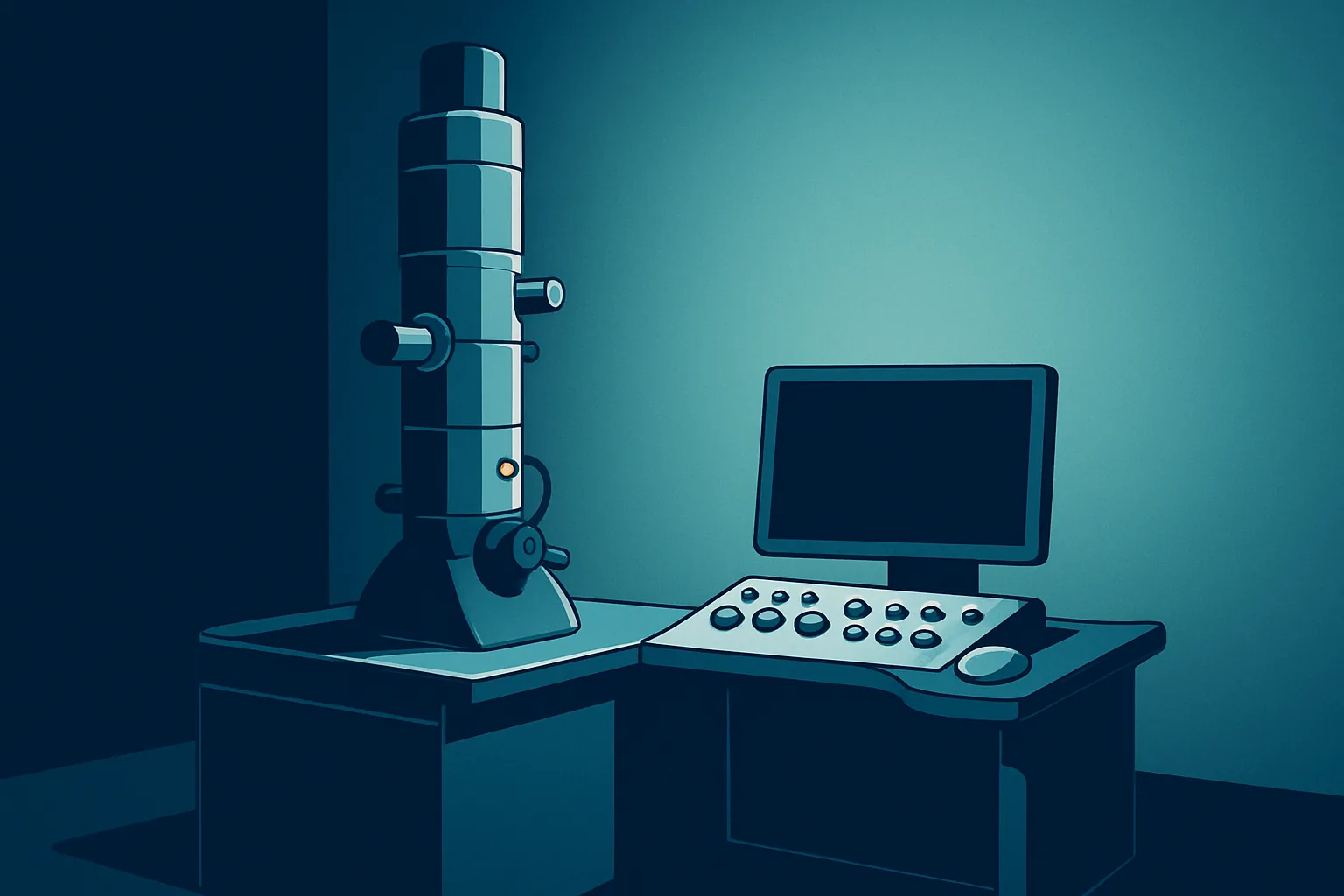
Light Versus Electron Microscopy: Choosing the Right Lens
Electron microscopes see far smaller things, but the preparation kills the specimen. Choosing between the two is a trade between resolution and life.
-
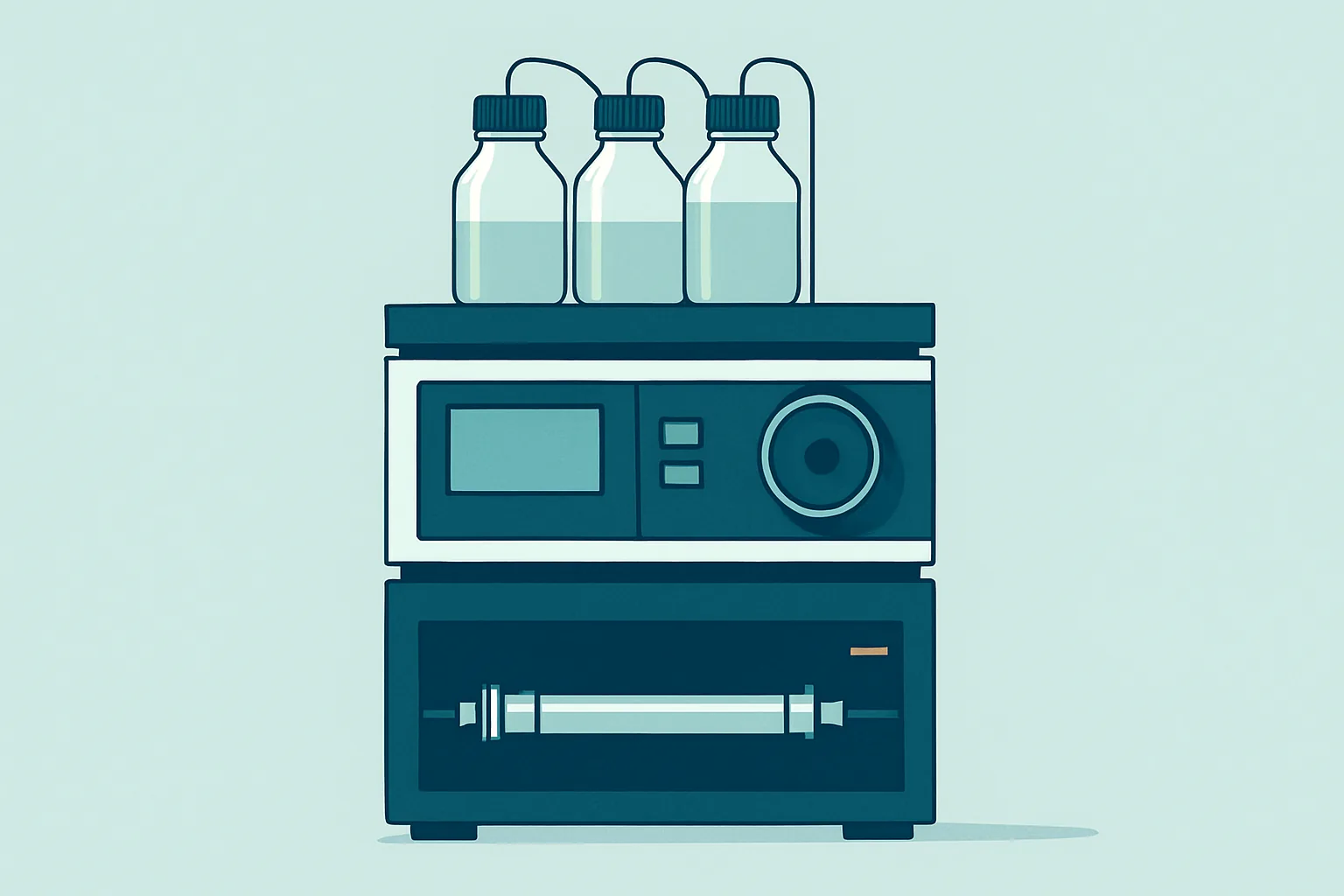
Chromatography: How Laboratories Pull Mixtures Apart
Chromatography separates a mixture by making its components hesitate for different lengths of time. Everything else in the method is engineering around that one idea.