Food & Supplement Testing
Independent analysis of what is in food and supplements: contaminants, certifications, and label claims tested against the data.
-
PFAS in Food Packaging and How Testing Caught Up
Chasing PFAS one compound at a time was always going to lose. Measuring total fluorine changed the question from which chemicals are present to whether any…
-
Acrylamide: The Compound Created by Cooking Itself
Acrylamide is not a contaminant that gets into food. It is manufactured by the same browning chemistry that makes toast, chips and coffee taste of anything…

-
Melamine and the Loophole That Poisoned Infant Formula
For a century the food industry measured protein by measuring nitrogen. Melamine is mostly nitrogen and no protein at all, and that gap was eventually exploited…
-
Food Fraud: How Laboratories Detect Adulteration
Authenticity testing is an arms race in which laboratories must guess the next substitution before it happens, because a targeted test only finds what it was…
-
Allergen Testing and the May Contain Label Problem
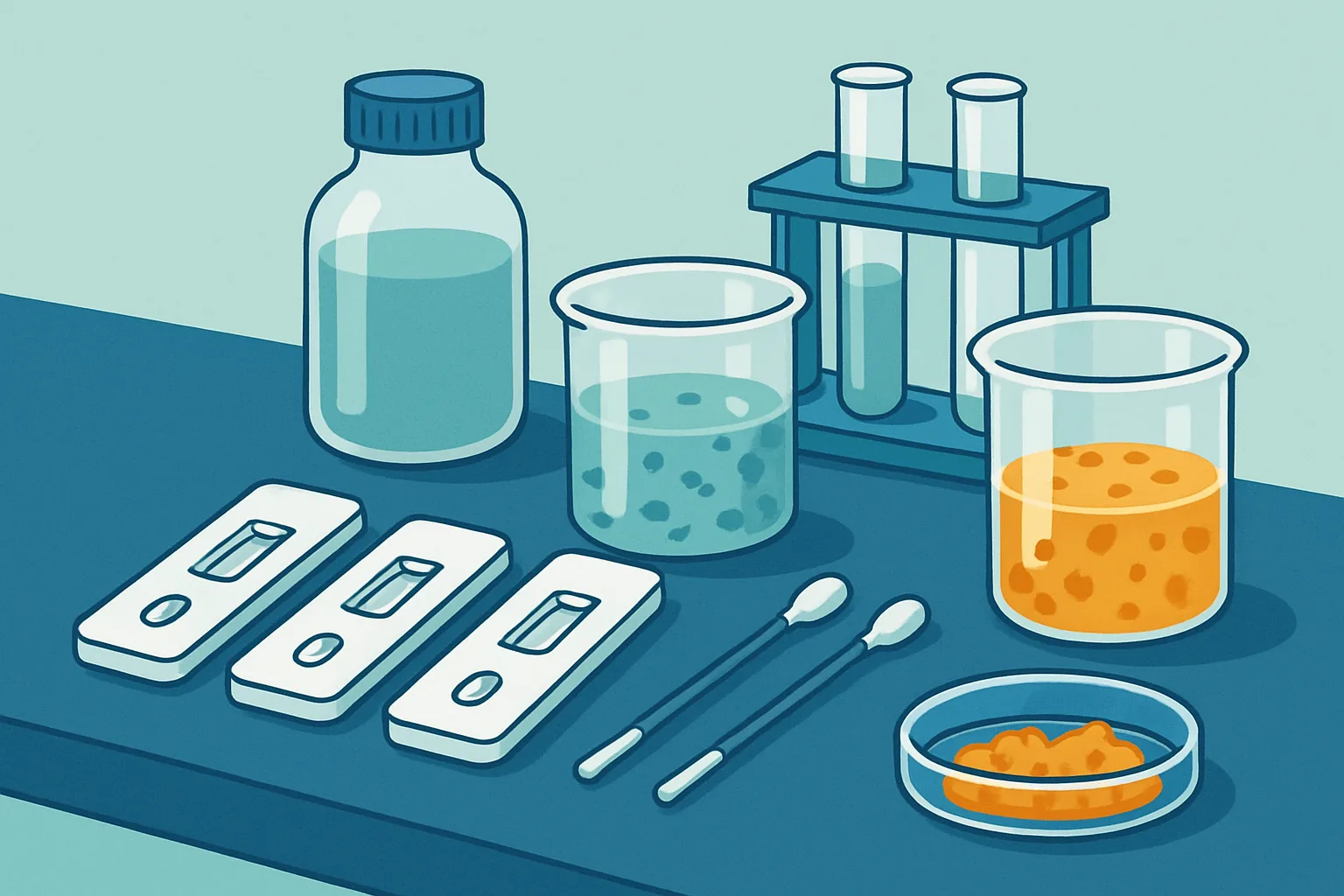
A may contain warning is not a test result. In most places it is a voluntary sentence a manufacturer chose to print, with no required measurement…
-
Food Pathogen Testing From Enrichment to Confirmation
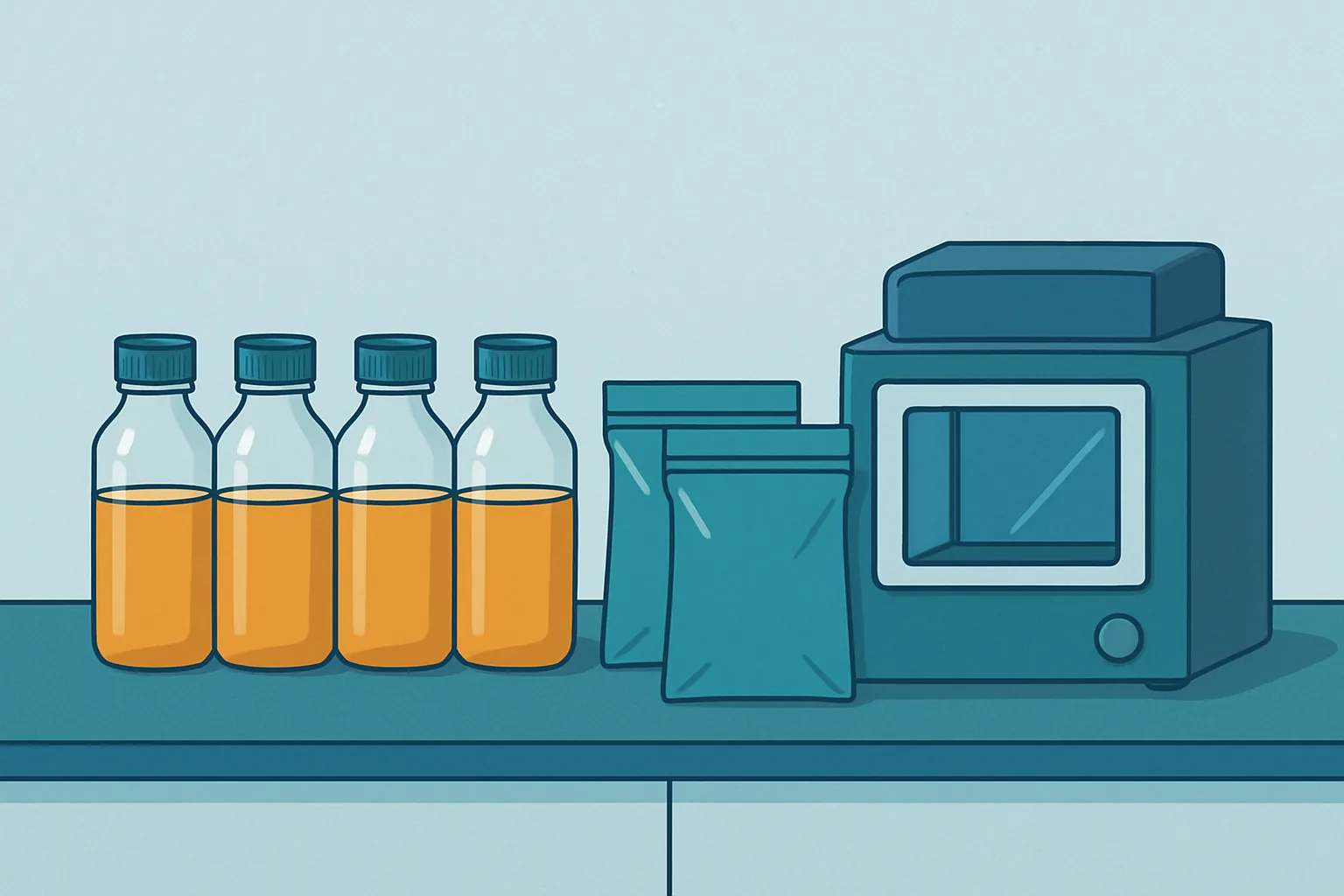
A food pathogen test takes days rather than hours because the laboratory must first persuade a handful of injured bacteria to multiply into billions.
-
Drinking Water Testing: What Home Test Kits Miss
Home water kits answer a narrow set of questions well and go quiet on most of the contaminants people actually worry about.

-
Supplement Label Accuracy: What Testing Programmes Find
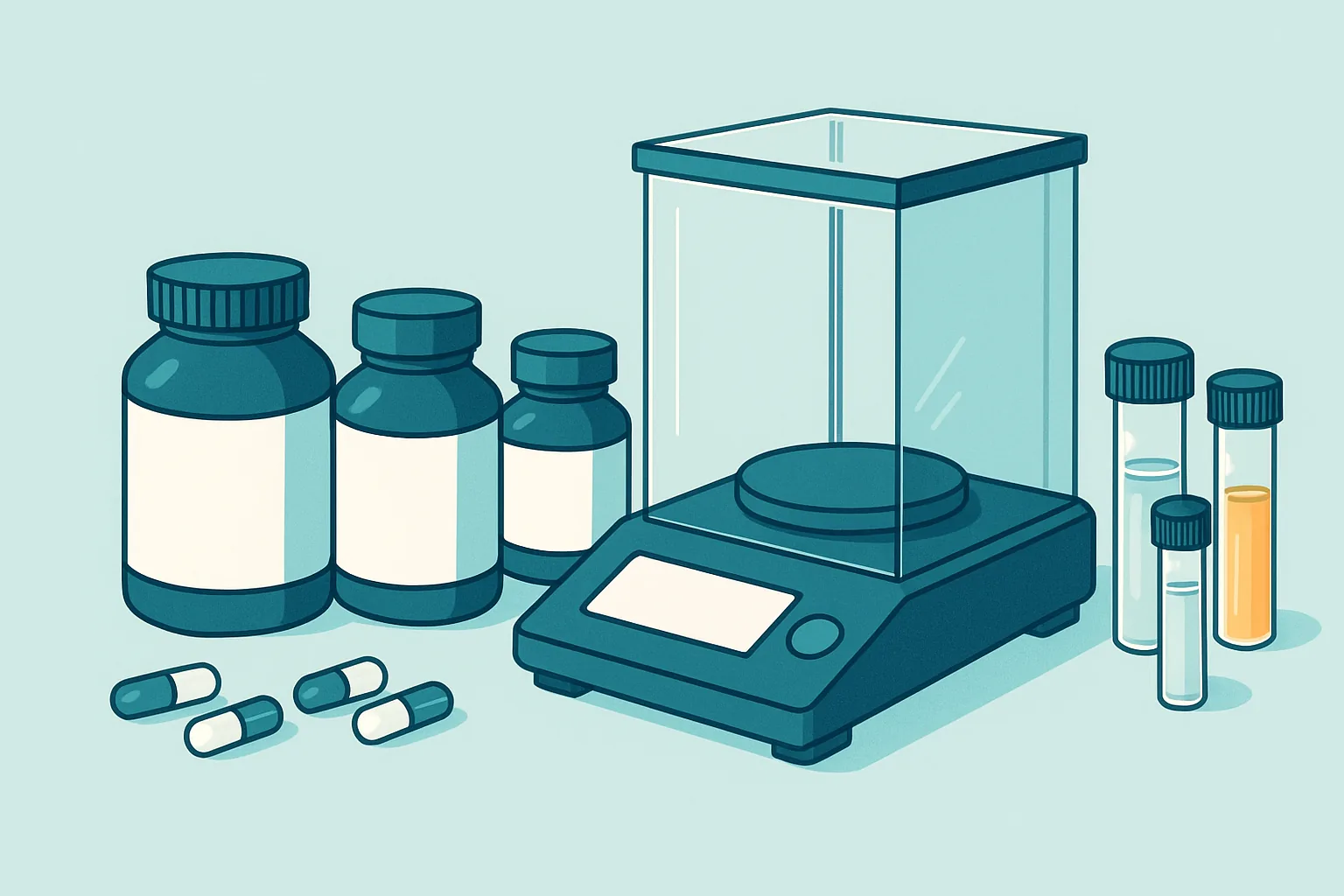
Independent testing of supplements keeps finding the same handful of failures, and knowing which ones are common changes how you read a label.
-
Probiotic CFU Claims and What Survives to the Expiry Date
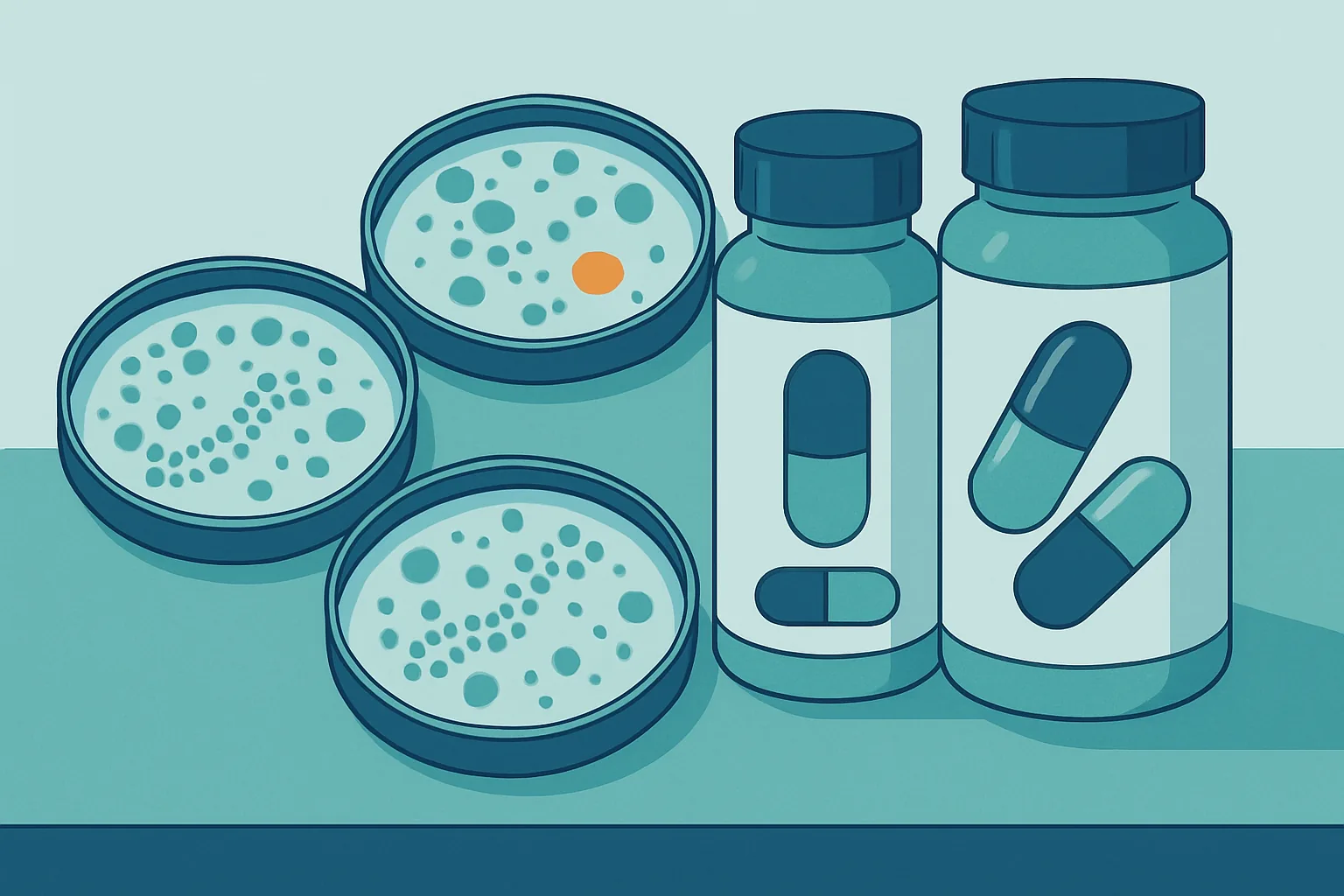
A probiotic count is a measurement of living cells at one moment, and the moment a manufacturer chooses to measure changes the number more than anything…
-
Protein Spiking: How Powders Fake Their Protein Content
Standard protein testing does not measure protein at all; it measures nitrogen and multiplies, and that shortcut is the entire basis of amino spiking.