Priya Raman
-
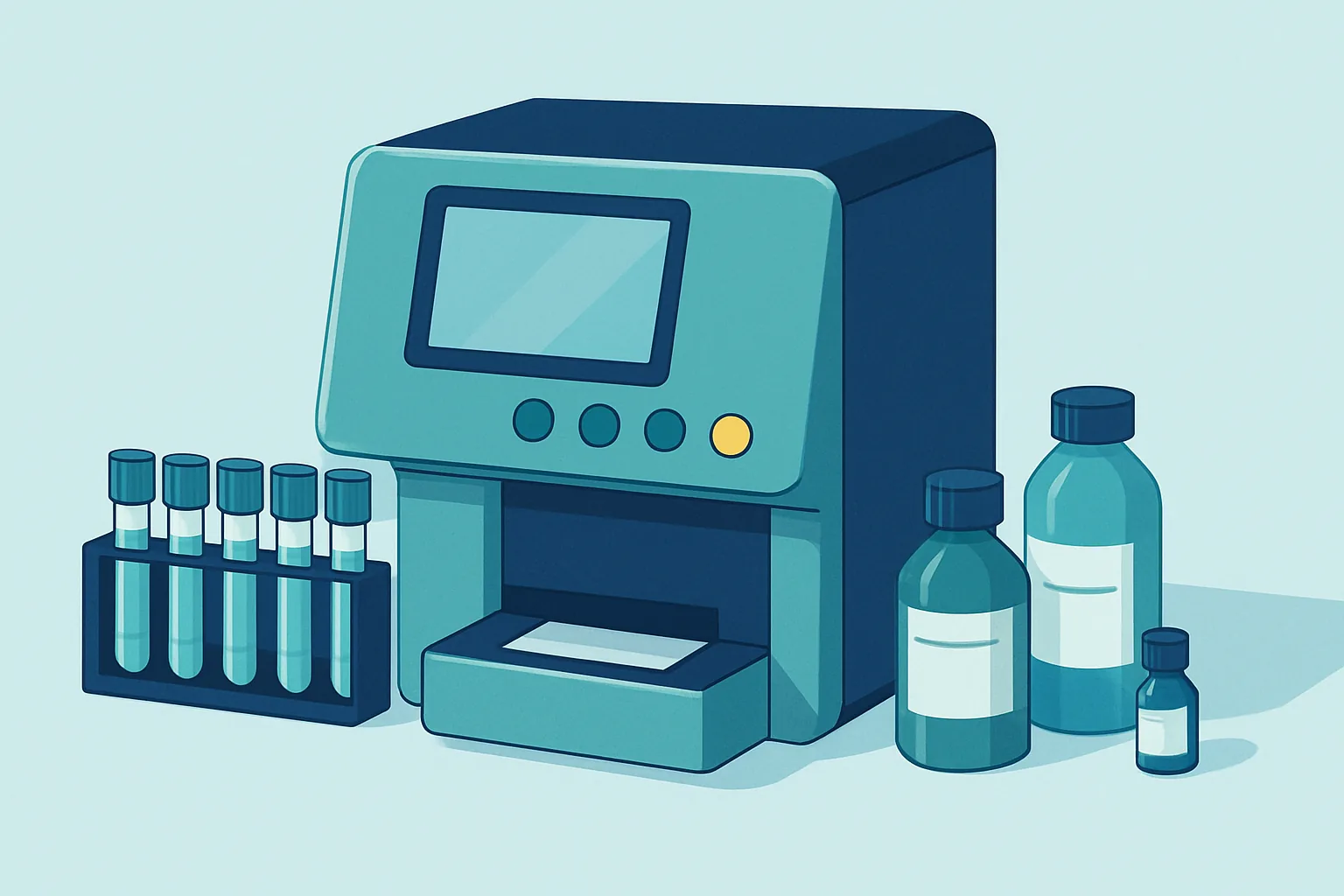
Point-of-Care Testing: Trading Precision for Speed
A bedside result in three minutes is not the same measurement as a core laboratory result in forty. Here is what is actually given up, and…

-
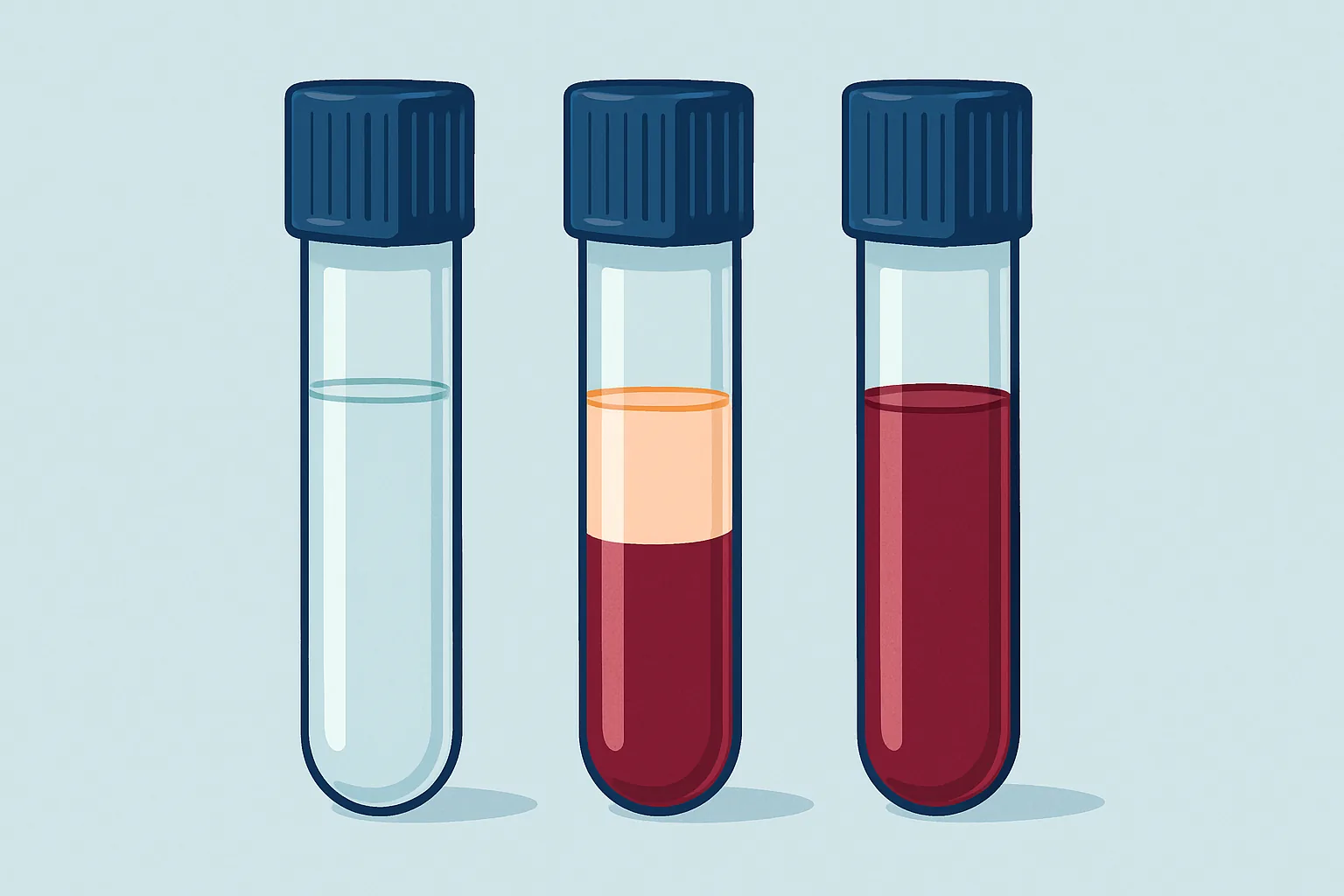
Haemolysis: The Most Common Reason Samples Get Rejected
When red cells rupture in the tube they flood the plasma with their contents, wrecking a few results completely while leaving most of the panel entirely…
-
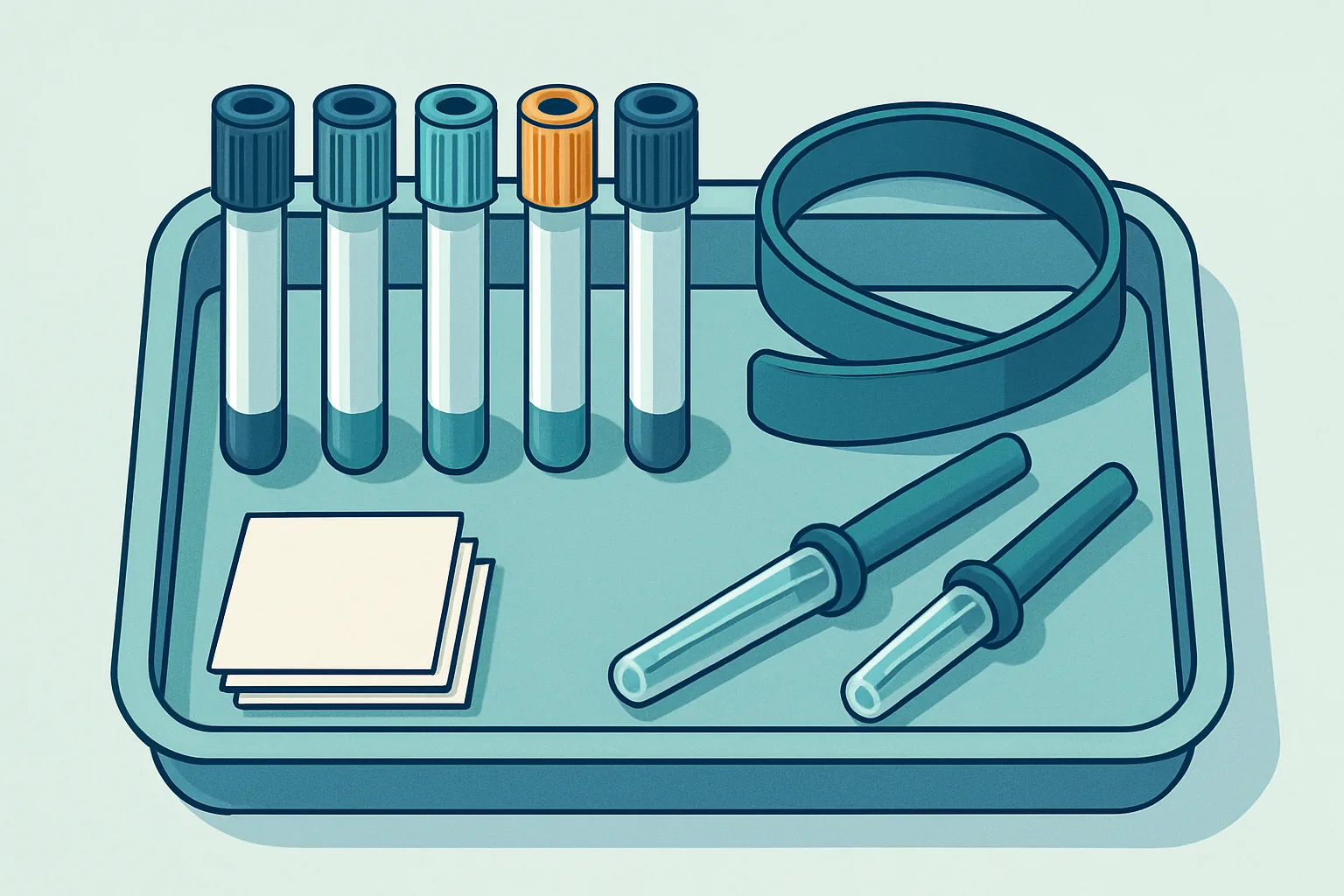
How Phlebotomy Technique Changes Your Blood Results
Several of the numbers on a blood report are decided at the needle rather than at the analyser, by tourniquet time, tube order and how fast…
-
At-Home Blood Test Kits and What You Trade Away
Home test kits usually run on the same analysers hospitals use. What changes is everything that happens to the sample before it arrives.

-
False Positives and Negatives: The Arithmetic of Doubt
A test described as 99 percent accurate can still produce more false positives than true ones. The missing ingredient is how common the condition is.

-
Where Laboratory Reference Ranges Actually Come From
The printed normal range is not a boundary between health and disease. It is a statistical description of where most of a selected healthy group happened…

-
Cortisol Testing: Why Collection Timing Beats the Value
A cortisol result without a clock time and a collection method attached is close to uninterpretable, because the hormone changes several-fold across a day.

-
Allergy Testing: Blood IgE Versus Skin Prick Tests
Both allergy tests detect antibodies rather than allergy itself, which is why a positive result and a real reaction are not the same finding.
-
Tumour Markers: What They Can and Cannot Tell You
Tumour markers are good at watching a known cancer and poor at finding an unknown one, and the arithmetic behind that difference is worth understanding.

-
Coagulation Testing: PT, INR and aPTT in Plain Terms
The INR is not a biological measurement at all; it is a correction applied to make prothrombin times from different laboratories comparable.