Daniel Okafor
-
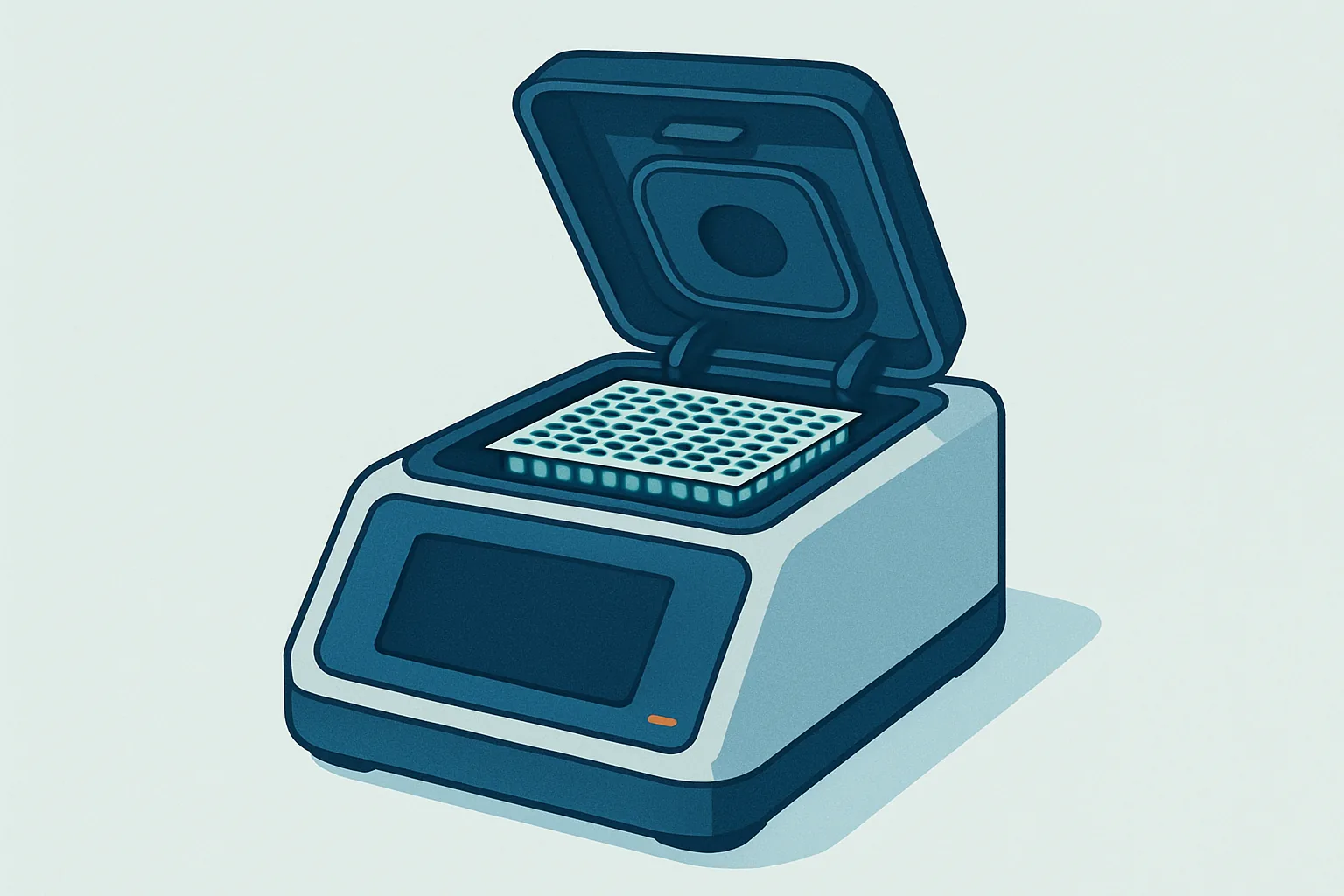
Next-Generation Sequencing From Sample to Variant Call
The sequencing itself is the most automated part of the workflow; library preparation and the analysis pipeline are where data quality is actually decided.
-
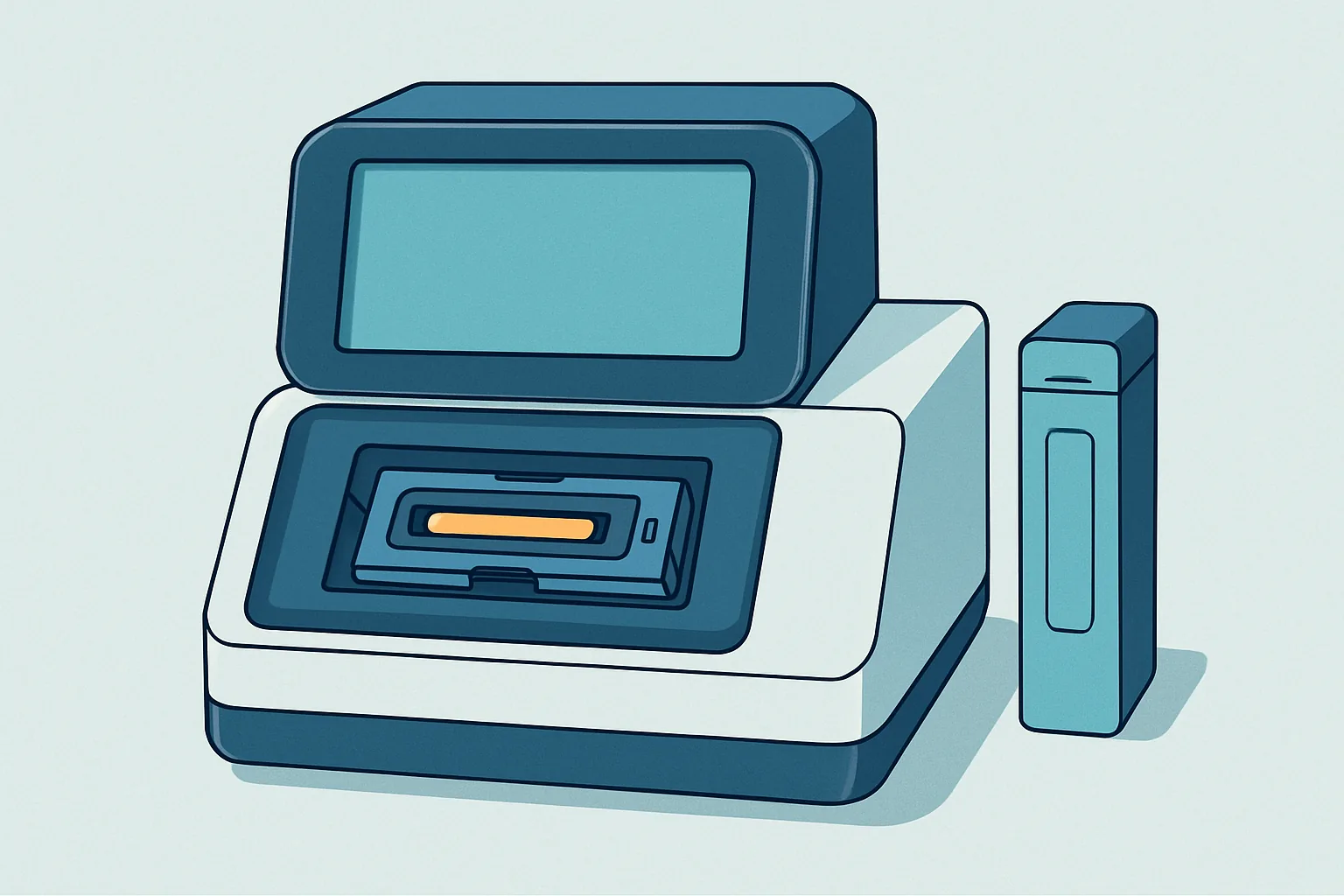
ELISA: The Workhorse Immunoassay Explained Step by Step
Four ELISA formats share the same plate and the same colour change but measure quite different things, and knowing which one a kit uses changes how…
-
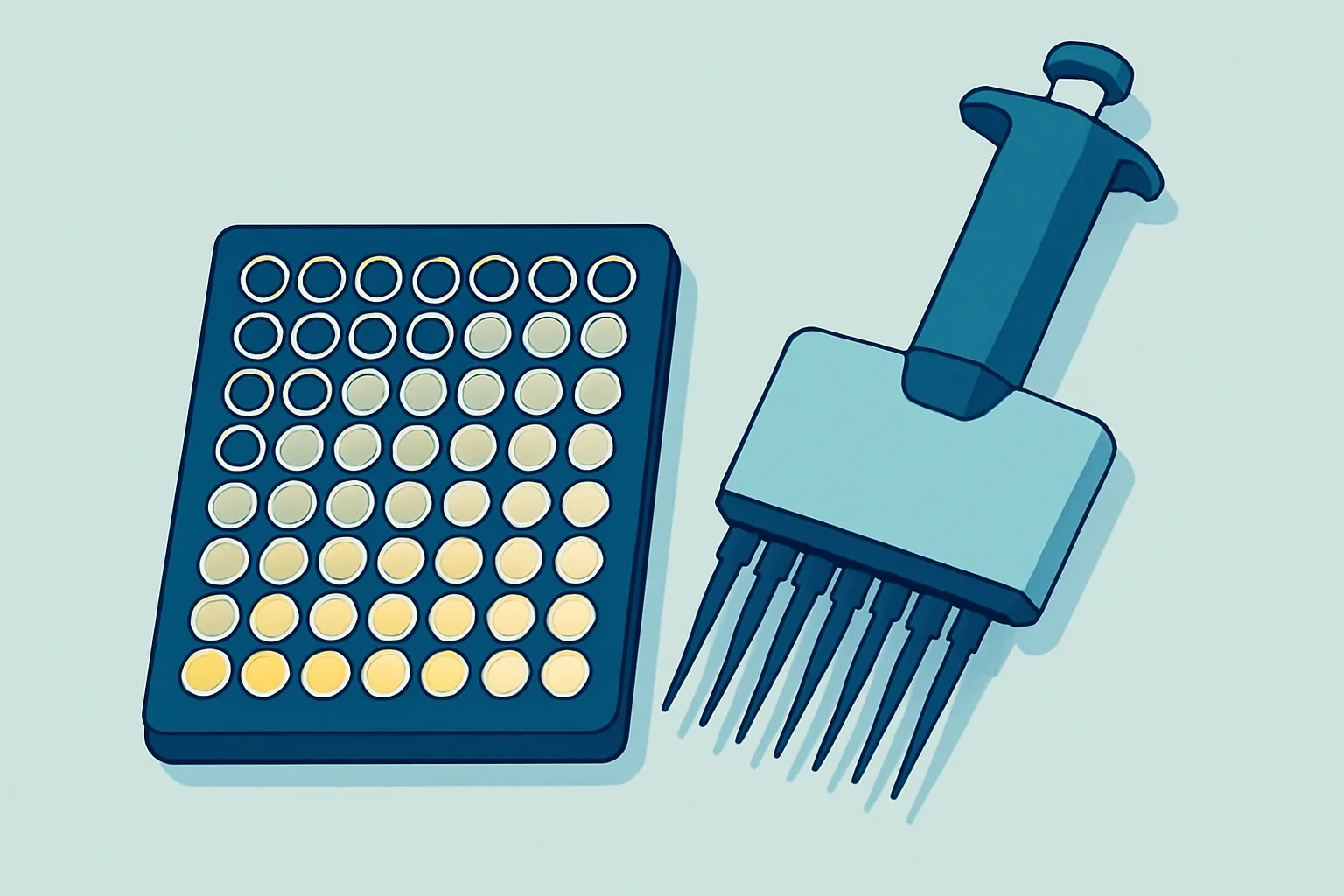
Flow Cytometry: Counting Thousands of Cells One by One
A flow cytometer interrogates cells individually at enormous speed, but the plot it produces only becomes an answer once a human decides where to draw the…
-
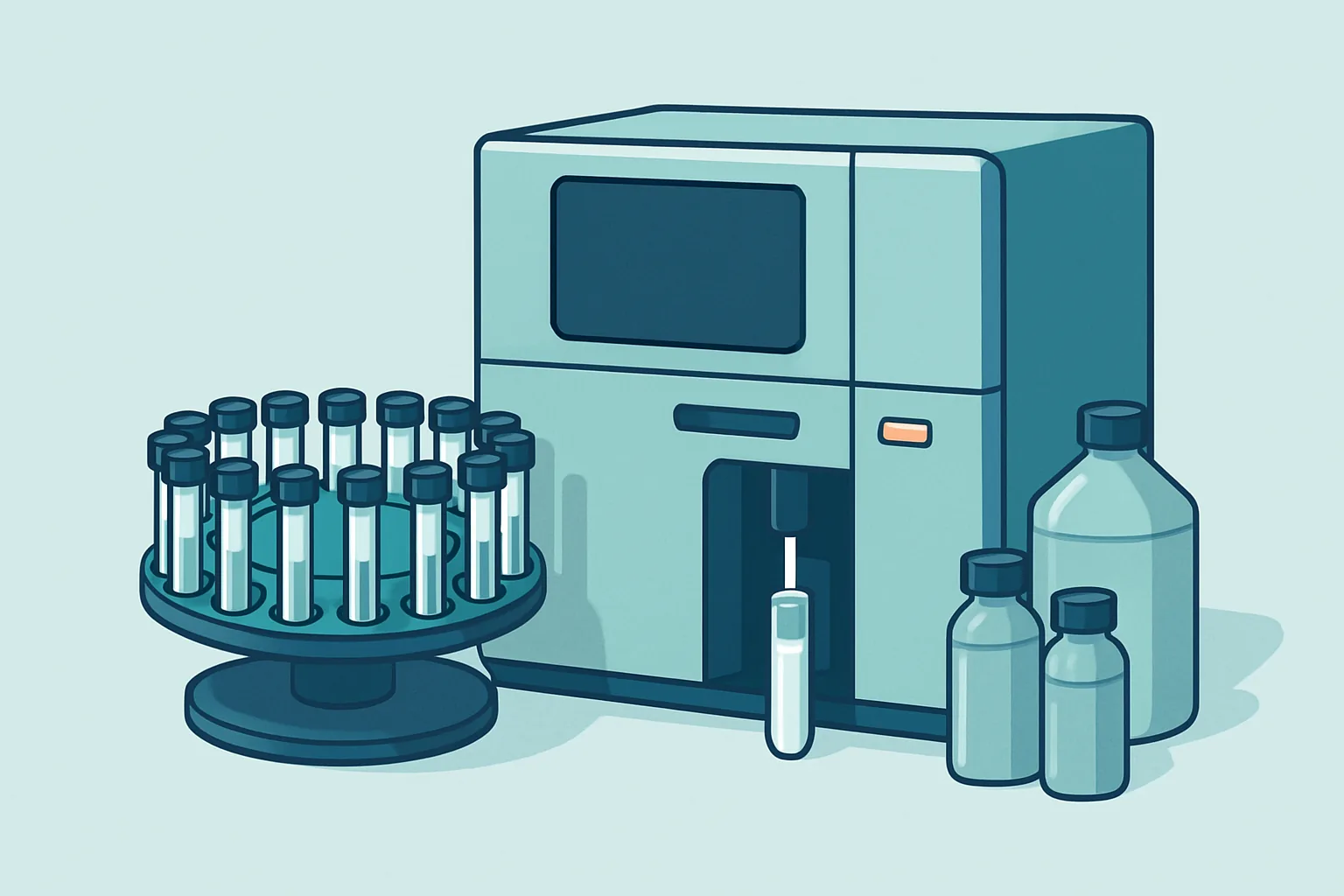
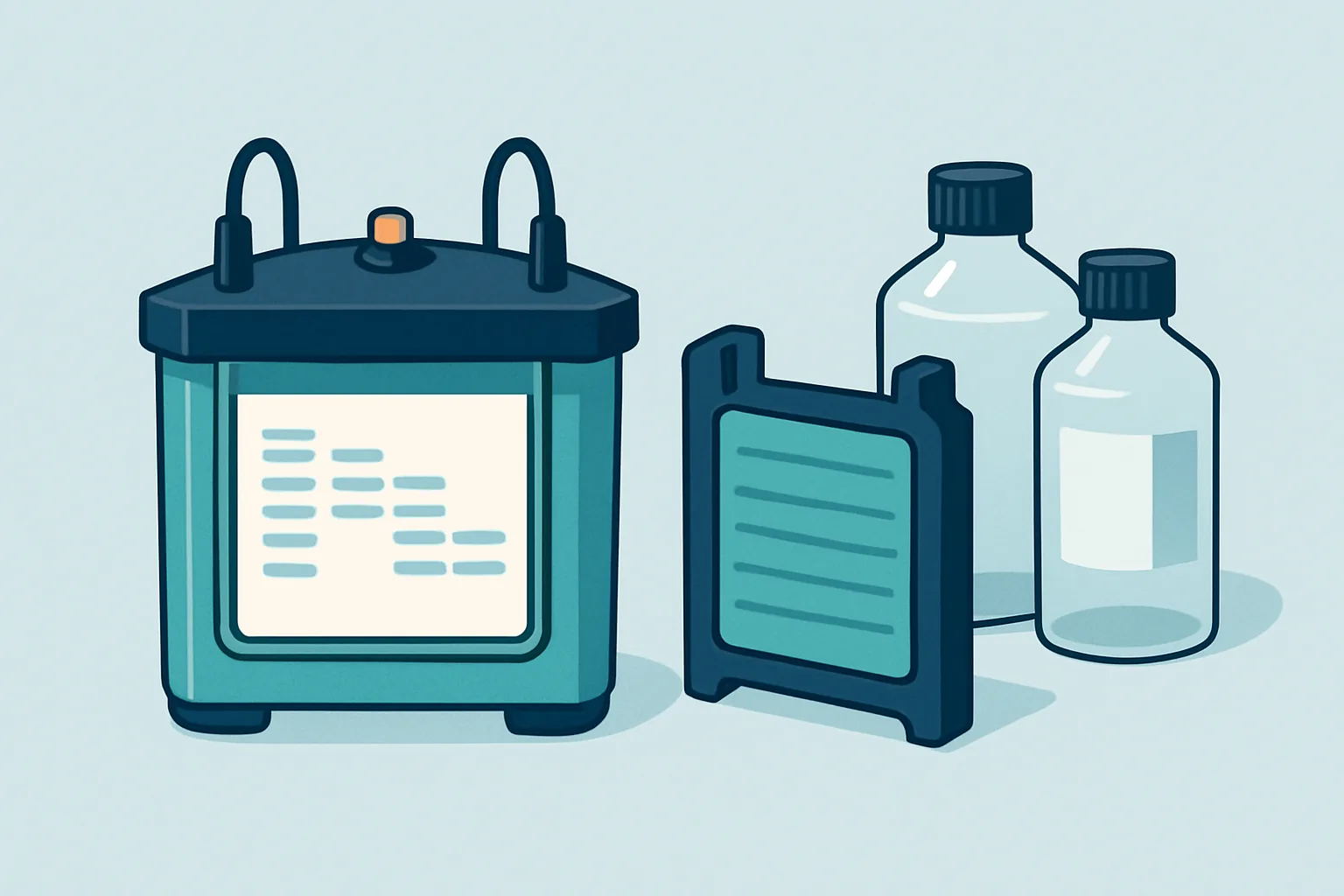
The Western Blot and Everything That Can Go Wrong
A western blot is six separate procedures chained together, and each one fails in a way that leaves a recognisable signature on the finished membrane.
-
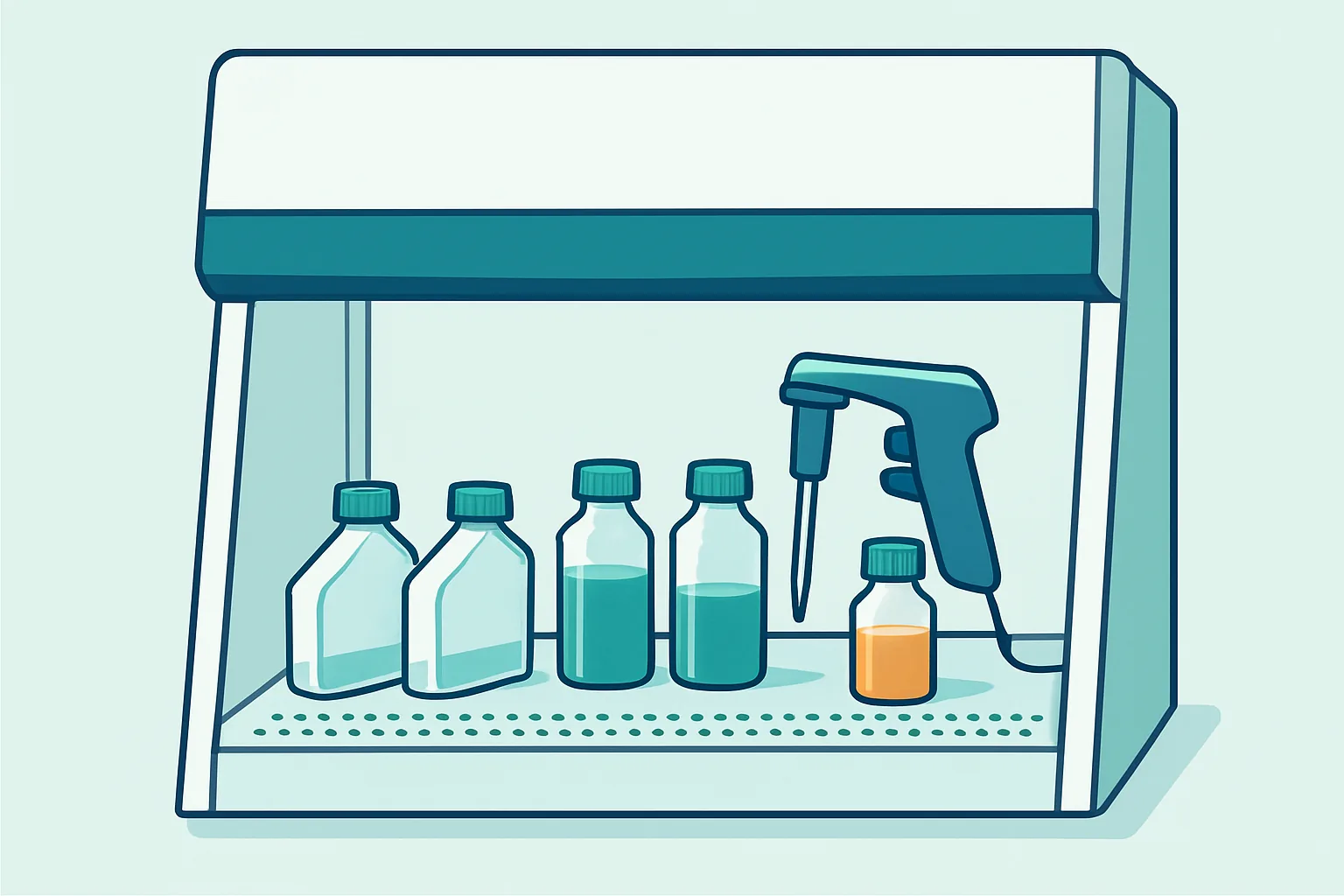
Cell Culture Contamination and How Labs Catch It
The contaminations that ruin published work are the ones you cannot see. Bacteria announce themselves within a day; mycoplasma and misidentified lines do not.
-
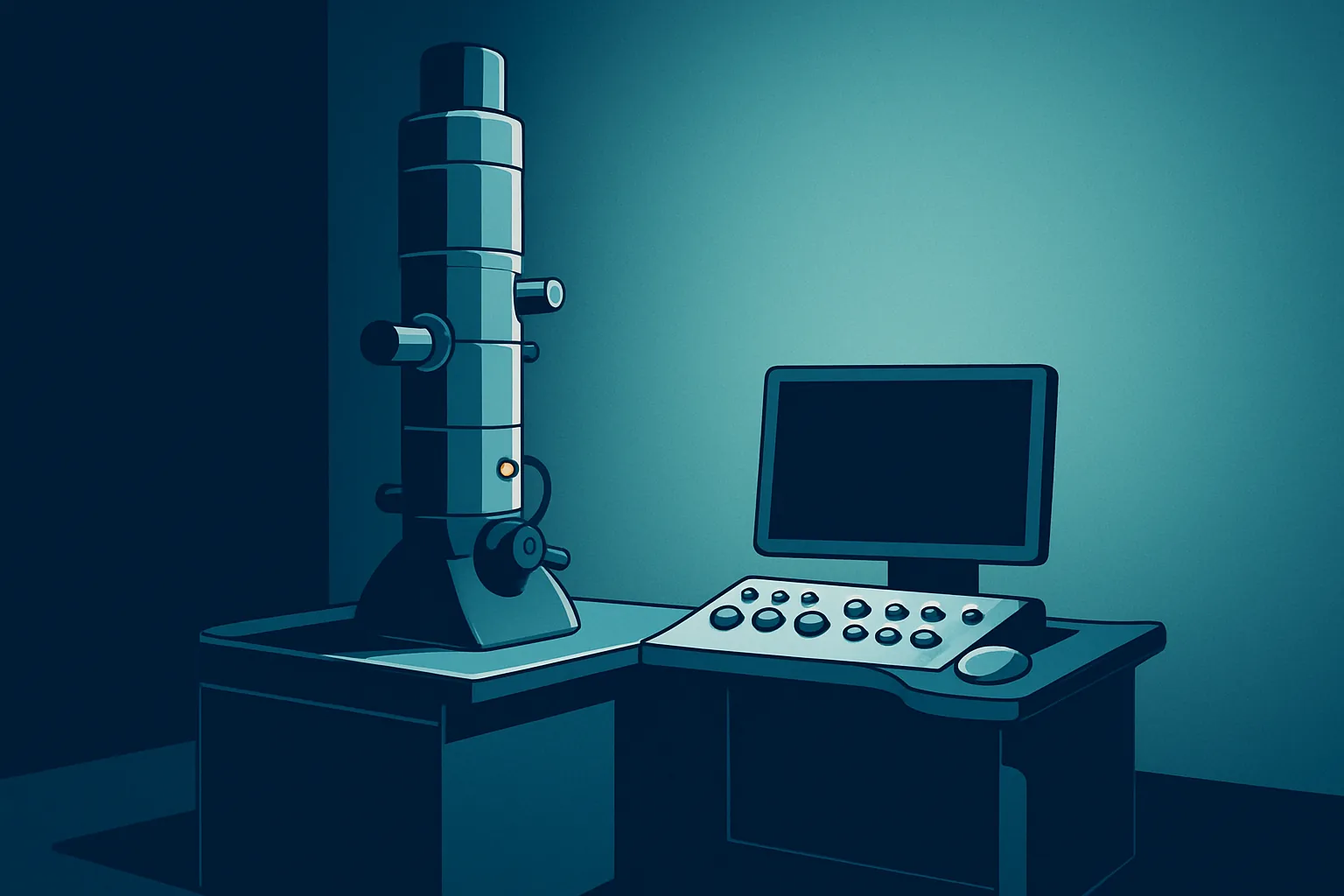
Light Versus Electron Microscopy: Choosing the Right Lens
Electron microscopes see far smaller things, but the preparation kills the specimen. Choosing between the two is a trade between resolution and life.
-
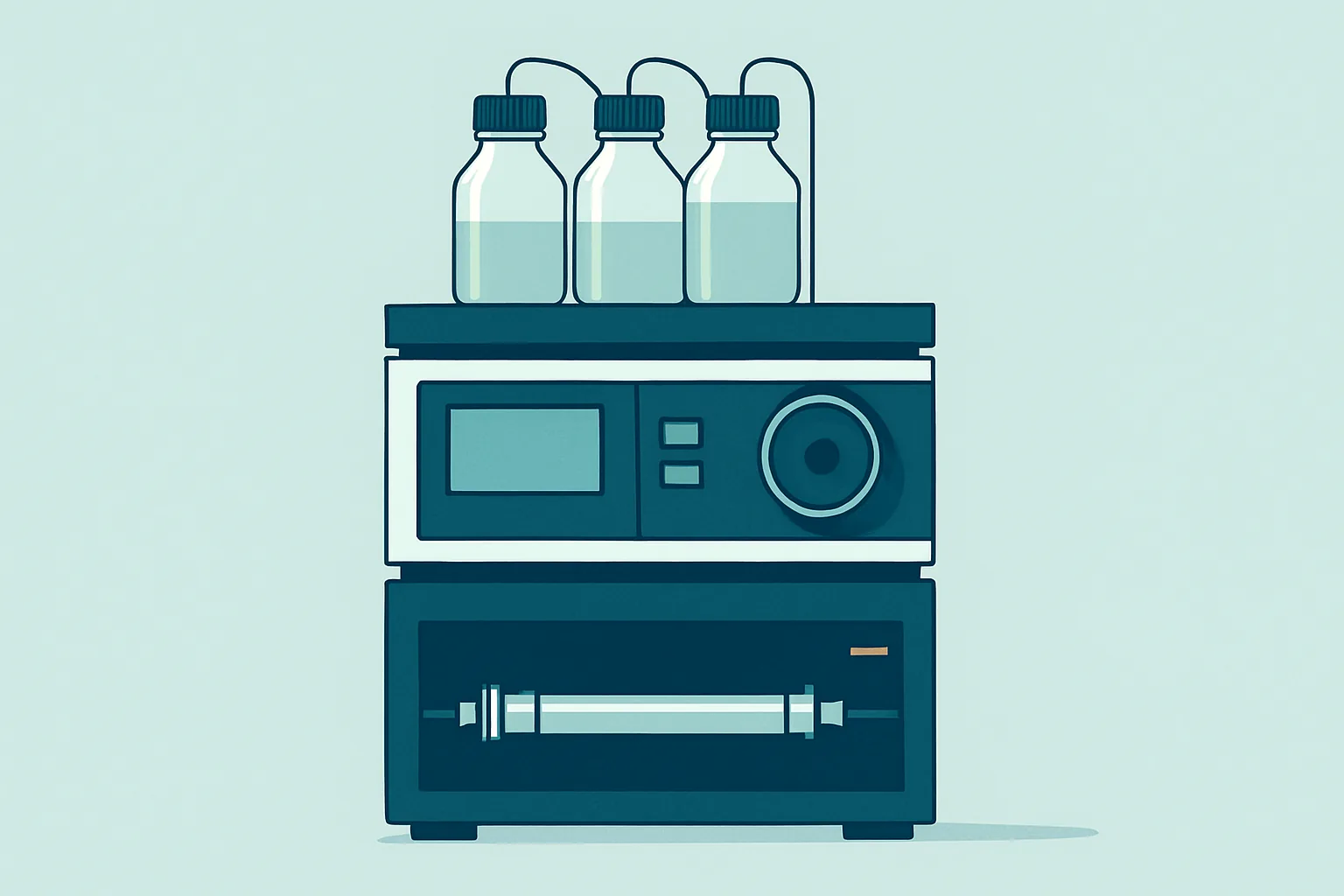
Chromatography: How Laboratories Pull Mixtures Apart
Chromatography separates a mixture by making its components hesitate for different lengths of time. Everything else in the method is engineering around that one idea.
-
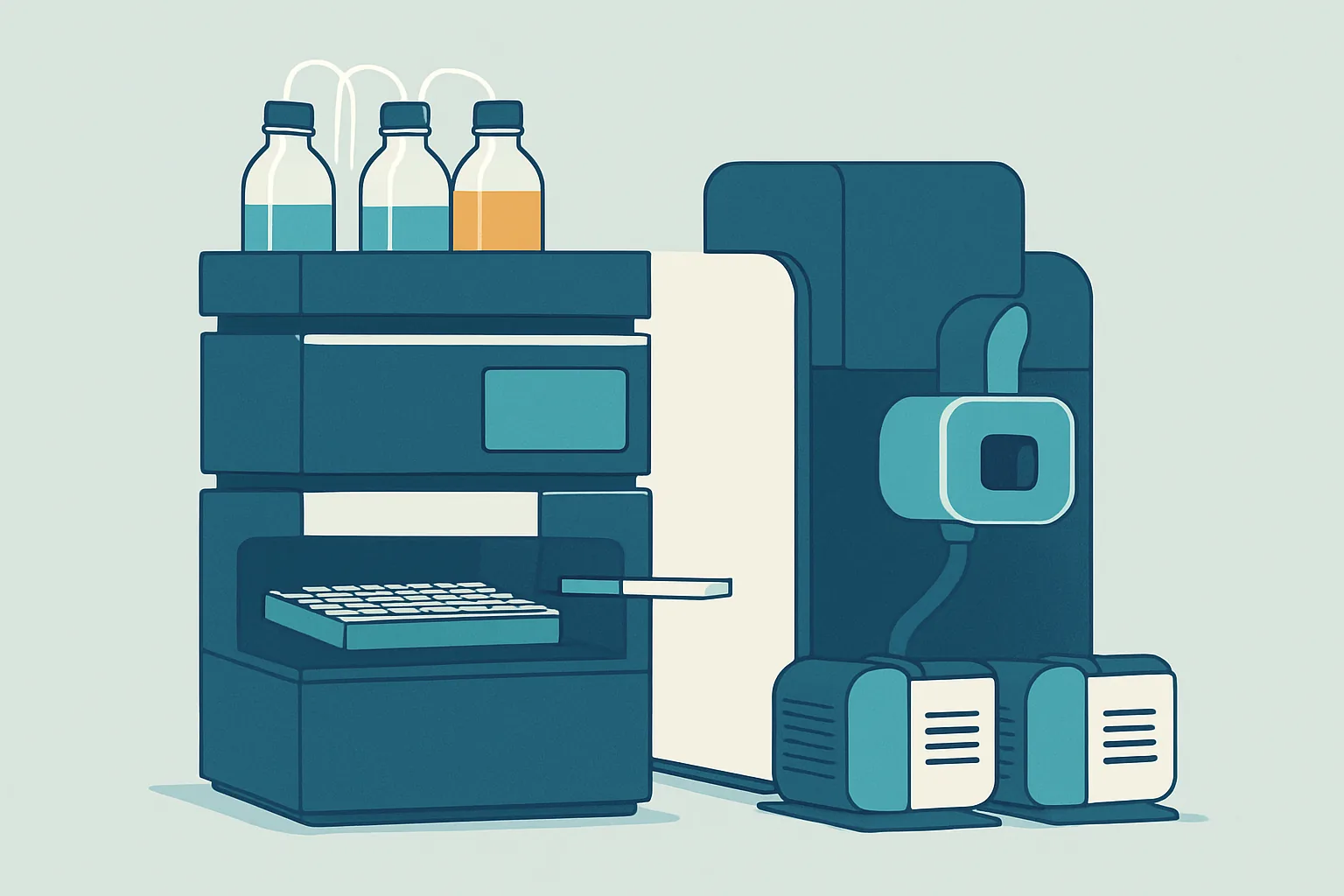
Mass Spectrometry: How Laboratories Weigh Molecules
A mass spectrometer never touches a balance. It measures how ions behave in fields, and everything else on the report is inference from that.
-
CRISPR Explained for People Who Are Not Molecular Biologists
CRISPR is often described as molecular scissors. That metaphor explains the cut but hides the part that actually determines what happens to the genome.
-
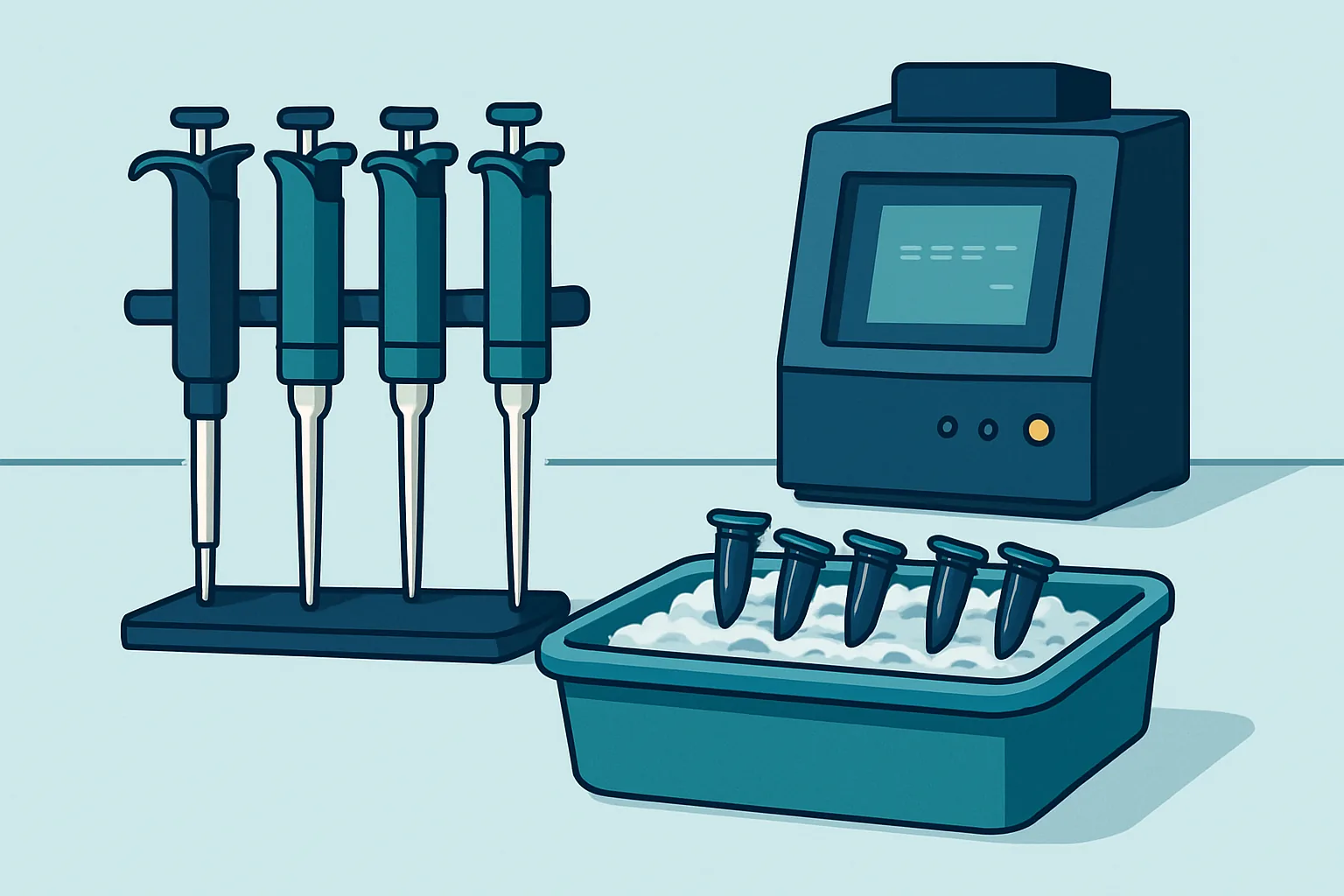
PCR Versus qPCR: What Real-Time Detection Changes
The two techniques run almost identical chemistry. The difference is when you look at the reaction, and that single change is what makes one of them…