
Home laboratories have a slightly furtive reputation that is mostly undeserved. Amateur astronomy, microscopy, fermentation, electronics and mineralogy have never troubled anyone, and a startling amount of real science was done in spare rooms before it was done in institutions.
What draws attention is narrower and quite predictable. It is a specific set of chemicals, a specific set of biological activities, and a general pattern of not knowing what you are handling. Regulators are not interested in whether you own a microscope. They are interested in precursors, controlled substances, quantities of oxidisers and flammables that create a fire risk for a residential street, and organisms that should not be cultured outside containment.
Those boundaries are knowable, and staying comfortably inside them leaves an enormous amount of genuinely interesting work available. What follows maps where the lines sit, and how to build capability without accidentally crossing one.
Key takeaways
- Most amateur science is legal and unregulated; problems concentrate around specific substances and specific organisms.
- Controlled drug precursors and certain oxidisers and explosive precursors carry reporting or licensing requirements in many jurisdictions.
- Ventilation and fire risk are the practical hazards most likely to cause actual harm at home.
- Household chemical waste routes exist and are the correct answer; drains and bins are not.
- Tenancy agreements, home insurance and neighbours are constraints that people usually discover too late.
What Amateur Science Legally Permits
There is no general licence required to do science at home, and no legal category of “home laboratory” in most jurisdictions. What exists instead is a patchwork of rules attaching to particular things: certain chemicals, certain organisms, radiation sources, and activities that generate specific hazards.
The default is therefore permissive. Owning glassware, balances, microscopes, centrifuges, hot plates, spectrometers and most laboratory equipment is unrestricted. Buying most laboratory chemicals is unrestricted, subject to suppliers’ own willingness to sell to individuals. Growing bacteria from your kitchen, culturing yeast, extracting DNA from fruit, making and characterising simple compounds, and building analytical instruments are all ordinary activities that no rule addresses.
The exceptions cluster in identifiable places. Controlled substances and their immediate precursors are regulated everywhere, and the regulation typically extends to equipment specifically associated with their manufacture. Explosives precursors are increasingly controlled, with reporting requirements for retail sales above threshold quantities. Radioactive sources above defined activities require registration. Some pathogens and genetic modification work are regulated regardless of who is doing it. Certain regulated professional activities, notably producing results that others will rely on for medical or legal decisions, require accreditation that a home operation cannot obtain.
Rules vary substantially between countries and often between regions within them, which means the actual research task is local. A supplier’s willingness to ship you something is not evidence that possessing it is lawful where you live, and the two questions are genuinely separate.
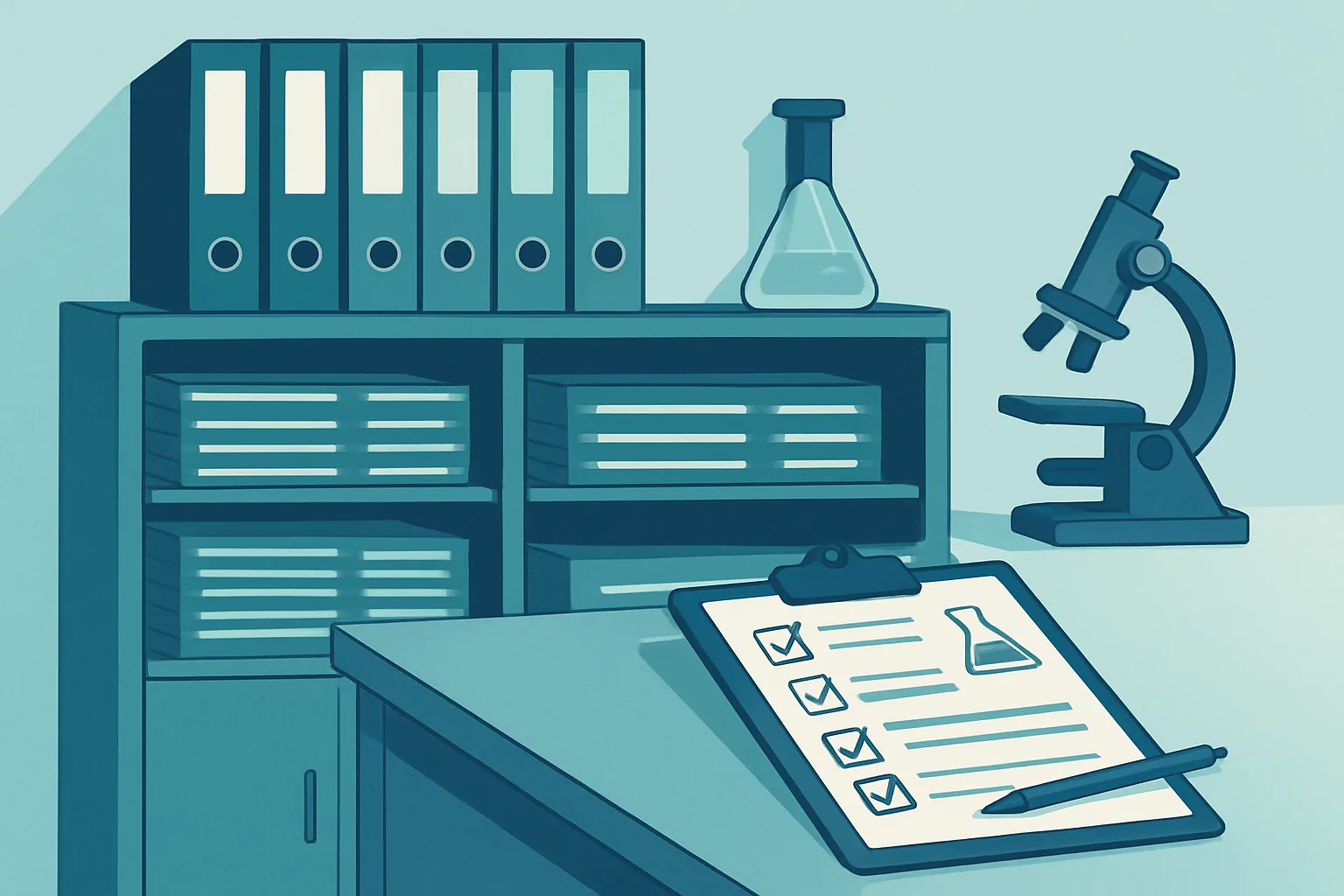
The reliable general principle is that scale and intent shape how anything is viewed. Small quantities of a widely available chemical for a demonstrable purpose sit differently from drums of the same substance with no explanation. Keeping notes on what you have, why, and what you did with it is the single most useful protective habit available, and it also happens to be good science.
Chemicals That Trigger Reporting Rules
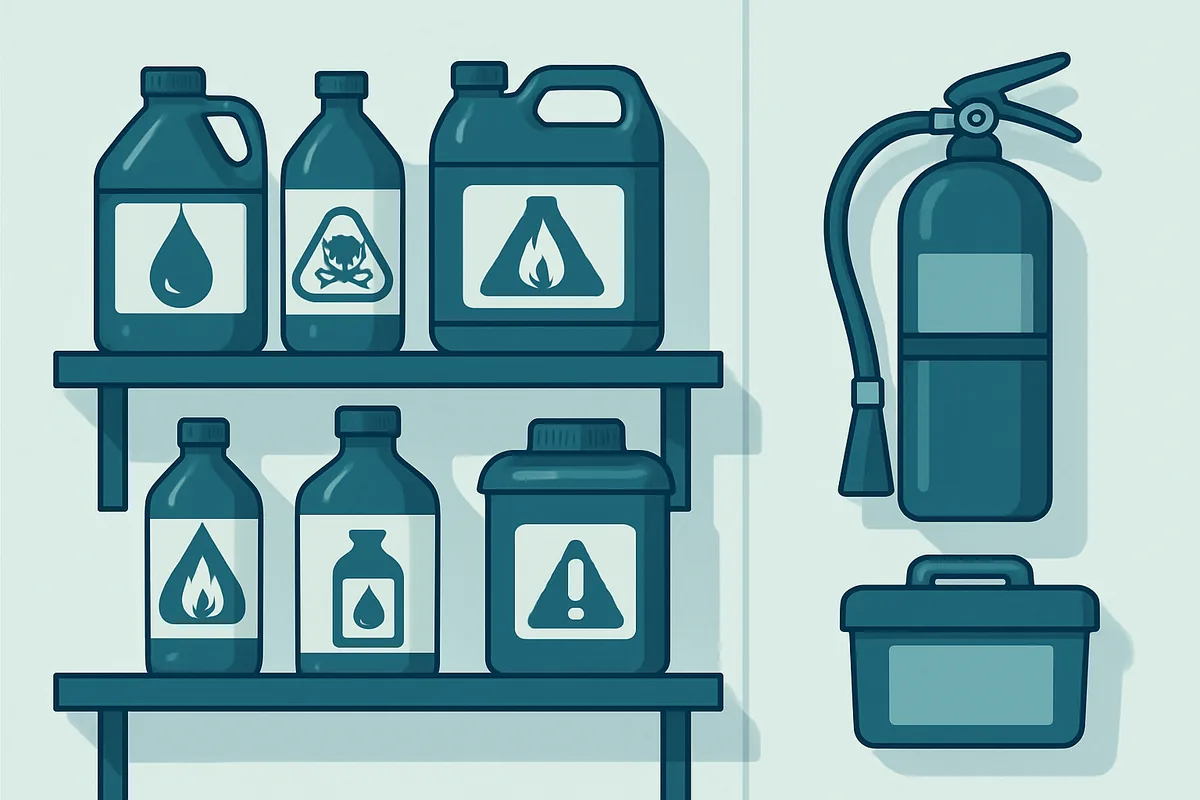
Several categories carry specific obligations, and it is worth knowing them by shape rather than trying to memorise lists that differ by jurisdiction.
Drug precursors are the most tightly controlled. These are chemicals with legitimate industrial uses that are also required steps in the synthesis of controlled substances. Regulations typically require suppliers to know their customers, to report suspicious orders and to keep records, and in some cases require the purchaser to hold a licence. The compounds involved are widely published in regulatory schedules, and a supplier refusing an order or asking detailed questions is that system working normally rather than an accusation.
Explosives precursors form a second category and have been tightened considerably in many countries. These include strong oxidisers, concentrated peroxides above certain strengths, and several nitrates. Rules commonly set concentration thresholds below which a product may be sold freely and above which restriction or licensing applies, and often require retailers to report suspicious transactions and significant losses or thefts.
Poisons schedules cover highly toxic substances such as certain cyanides, some heavy metal salts and specific pesticides, frequently requiring registration with a local authority or purchase through a controlled route. Radioactive materials are regulated by activity, with small quantities in consumer items and mineral specimens generally exempt while sealed sources above defined thresholds require registration and controlled disposal.
The practical guidance is simple. Before ordering anything unfamiliar, check the safety data sheet, look for regulatory classifications on it, and check the local regulator’s guidance. Buy the smallest useful quantity. Buy from suppliers that request the information regulations require, because a supplier that asks nothing is either selling something unregulated or is not complying. Never accumulate quantities you cannot justify.
Ventilation and Fire Safety Basics
The regulatory boundaries are where the anxiety sits, but the actual injuries come from ventilation and fire. These are the two areas where home laboratories genuinely differ from institutional ones in ways that matter.
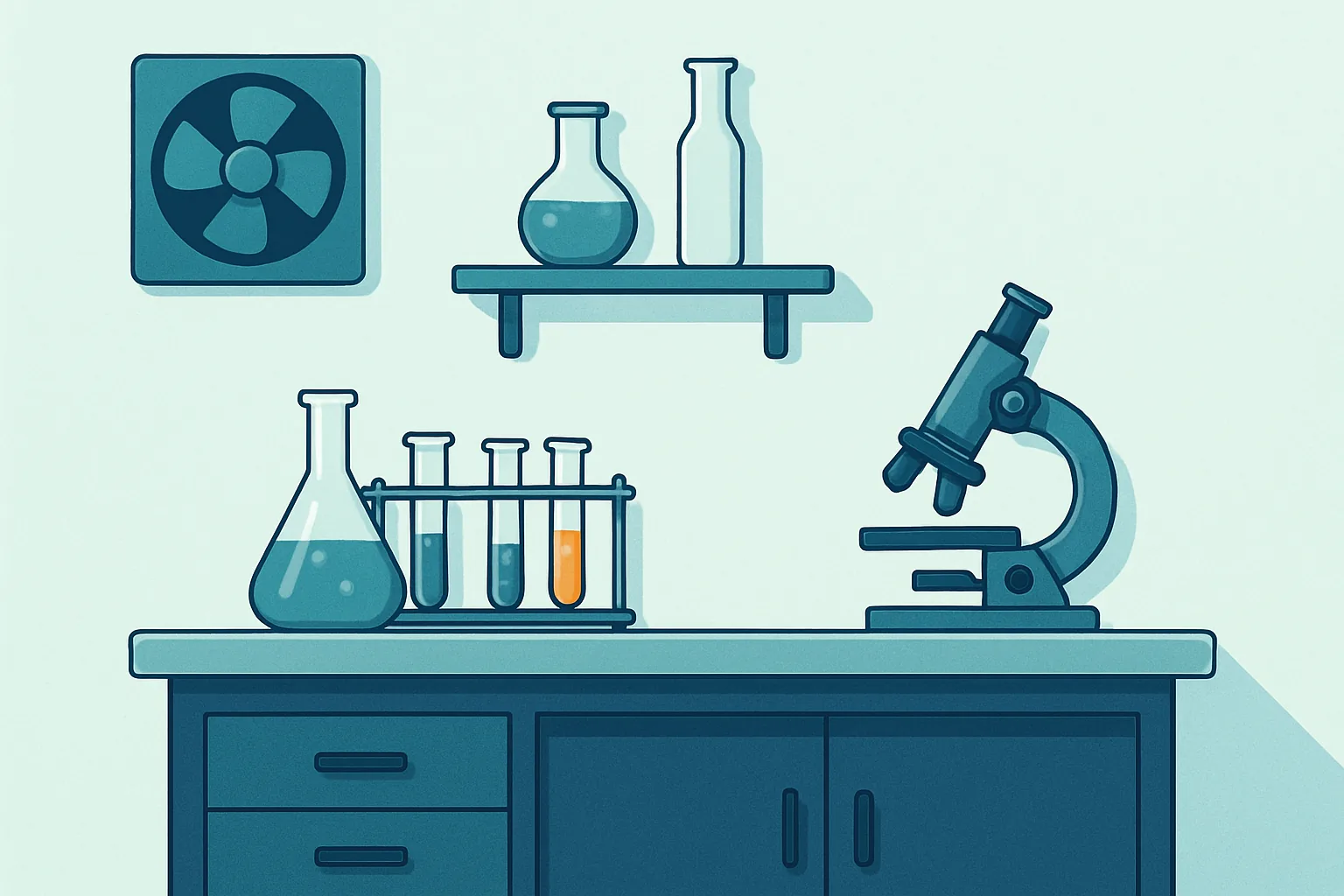
Ventilation first. A proper fume hood is engineered to draw air across the working opening at a controlled velocity and exhaust it safely away from the building, and it is expensive, requires ducting through an external wall, and needs commissioning to confirm it works. Most home setups cannot have one. The correct response is not to improvise a substitute but to constrain the chemistry.
| Approach | What it genuinely handles | What it must not be used for |
|---|---|---|
| Open window and cross-draught | Low-hazard odours, water vapour, minor solvent traces | Anything toxic, anything with a low exposure limit |
| Extractor fan to outside | Nuisance vapours in small quantities | Flammable vapours with a non-sparking-rated fan |
| Recirculating filtered hood | Specific vapours matched to the filter, if maintained | Anything the filter is not rated for; unknown mixtures |
| Ducted fume hood | The intended range, if commissioned and tested | Work exceeding its face velocity or containment design |
| Doing it outdoors | Many small-scale reactions with good dispersion | Anything requiring containment or precise control |
The honest conclusion is that a home laboratory should mostly avoid chemistry that requires engineered containment. That still leaves a great deal available, and it is a far better position than performing hazardous work behind a fan that gives an illusion of protection.
Fire is the other hazard, and it is more dangerous at home because a domestic building is not compartmented for it and there are usually people asleep upstairs. The controlling variables are quantity and storage. Keep flammable solvents to the smallest working amounts, store them in a metal cabinet away from heat sources and ignition sources, and never store oxidisers alongside them or alongside anything organic. Have an appropriate extinguisher within reach and know which class it covers, since water on a solvent fire spreads it. Keep a proper spill kit rather than a roll of paper towels. Work on a non-combustible bench surface.
Personal protection is unglamorous and non-negotiable: splash goggles rather than safety glasses for anything liquid, gloves chosen for the specific chemical rather than whatever box is nearest, and no bare feet, ever.
Waste Disposal Without a Contract
Institutional laboratories have waste contracts. Individuals do not, and this is where otherwise careful people quietly do the wrong thing.
The wrong thing is the drain. Domestic drains lead to wastewater treatment plants that are biological systems designed for sewage, and solvents, heavy metals and biocides pass through them or damage them. The bin is equally wrong for anything hazardous, since domestic waste is handled by people and machinery with no expectation of chemical hazard.
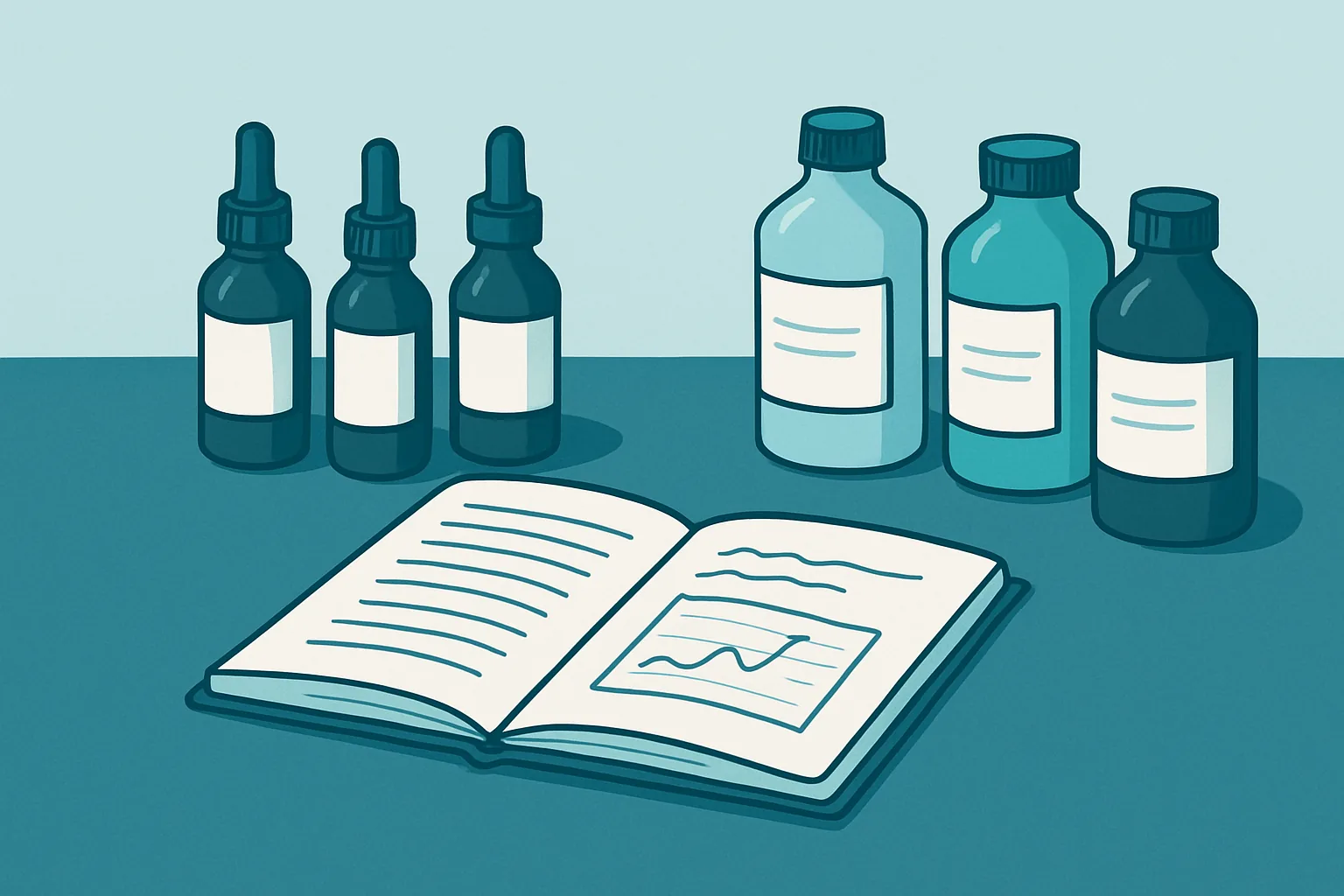
The right answer already exists and is usually free. Household hazardous waste collection is run by local authorities almost everywhere, precisely because ordinary households generate paint, solvents, pesticides, batteries, motor oil and cleaning chemicals. Your laboratory waste is legitimately in that category if you present it properly, which means in a sealed, labelled container with the contents identified. Facilities generally accept identified chemicals and reject unlabelled mystery containers, which is the single strongest argument for labelling everything at the moment you generate it.
Some waste can be dealt with before it becomes waste. Neutralising acids and bases to a near-neutral pH, where you are confident of what you are handling, converts a hazardous liquid into a salt solution that is far easier to dispose of. Evaporating water from a dilute solution reduces volume. Neither should be attempted with anything whose reaction chemistry you are unsure of.
Sharps need a proper sharps container and a route to a pharmacy or collection point. Biological waste from anything cultured should be autoclaved or, failing that, treated with an appropriate disinfectant at the correct concentration and contact time before disposal, and a domestic pressure cooker is a serviceable autoclave for small volumes if used at proper temperature and time.
The habit that makes all of this work is generating less. Scale reactions down. Work in millilitres rather than litres wherever the experiment allows. Small scale is safer, cheaper, and produces waste you can actually get rid of.
Biological Work and Containment Limits
Microbiology at home is genuinely rewarding and has a clear boundary that is easy to state and important to respect.
Work with environmental and food-associated organisms is unproblematic. Culturing yeasts, lactic acid bacteria, soil organisms, common moulds and the general microbial population of a kitchen surface involves organisms you are already surrounded by. Fermentation, culturing from swabs, examining pond water and isolating colonies from soil are all reasonable activities, though soil and environmental samples do occasionally contain opportunistic pathogens, so basic technique still matters.
The line sits at deliberately culturing human pathogens, and at attempting to enrich or select for them. Growing an organism from a clinical source, or from a source likely to carry a pathogen, means potentially amplifying something to a concentration far above what caused the original exposure, in a room without containment, air handling or a validated waste route. This is where amateur work becomes genuinely dangerous and, in many jurisdictions, unlawful. Selecting for antibiotic resistance is a related activity that is straightforward to do accidentally and clearly should not be done deliberately.
Genetic modification is regulated separately and, in many countries, regardless of the organism or the setting. Kits sold for home use exist and are marketed as legal, but that depends entirely on local rules, and in several jurisdictions carrying out modification outside a registered facility is an offence. This is a case where checking before ordering genuinely matters.
Sensible practice for permitted work is straightforward: treat every culture as if it might contain something you did not intend, since it might. Do not open plates unnecessarily or sniff them. Disinfect surfaces before and after, wear gloves, wash hands, and autoclave or disinfect everything before disposal. Keep cultures away from food preparation areas entirely, which usually means not doing this work in the kitchen.
Insurance, Tenancy and Neighbours
The constraints that most often end a home laboratory are not scientific or regulatory. They are contractual and social.
Home insurance policies typically exclude damage arising from hazardous activities and from storage of flammable materials beyond ordinary domestic quantities. A fire traced to a home laboratory has a real chance of being excluded, which means the loss is uninsured and the building may not be rebuilt. This is not a small risk to accept by default. The correct action is to ask the insurer in writing, describe the activity honestly, and get the answer recorded. Some insurers accept low-hazard hobby activity without any change; some require a note on the policy; some decline. Knowing which applies is worth an afternoon.
Tenancy agreements commonly prohibit hazardous materials, alterations to the property and activities that affect other occupiers. Fitting an extractor through an external wall is an alteration. Storing solvents may breach a clause outright. In shared buildings the fire risk affects other people directly, which changes both the ethics and the legal position, and leasehold arrangements often carry their own restrictions.
Neighbours matter more than any of this. Complaints are how most home laboratories come to official attention, and complaints follow from smells, noises, unusual deliveries, visible fumes and general opacity. The mitigations are obvious once stated: control odours at source, keep noise to reasonable hours, be visible and ordinary about what you are doing, and answer questions plainly. A neighbour who knows you do amateur chemistry as a hobby and has seen your tidy bench interprets an unusual smell very differently from one who has been wondering for months.
If someone official does turn up, the useful position is one of straightforward cooperation with good records to hand: what you have, why, where you bought it, what you did. Almost every such visit ends there.
Building Capability in a Sensible Order
The common failure mode is buying equipment in the order of what looks impressive rather than what is limiting. A better sequence follows from what each stage makes possible.
Start with safety and infrastructure, before any chemistry. A stable non-combustible work surface, decent lighting, goggles and appropriate gloves, an extinguisher, a spill kit, a first aid kit including eyewash, and a lockable cabinet for anything hazardous. This is unexciting and it is what makes everything after it defensible.
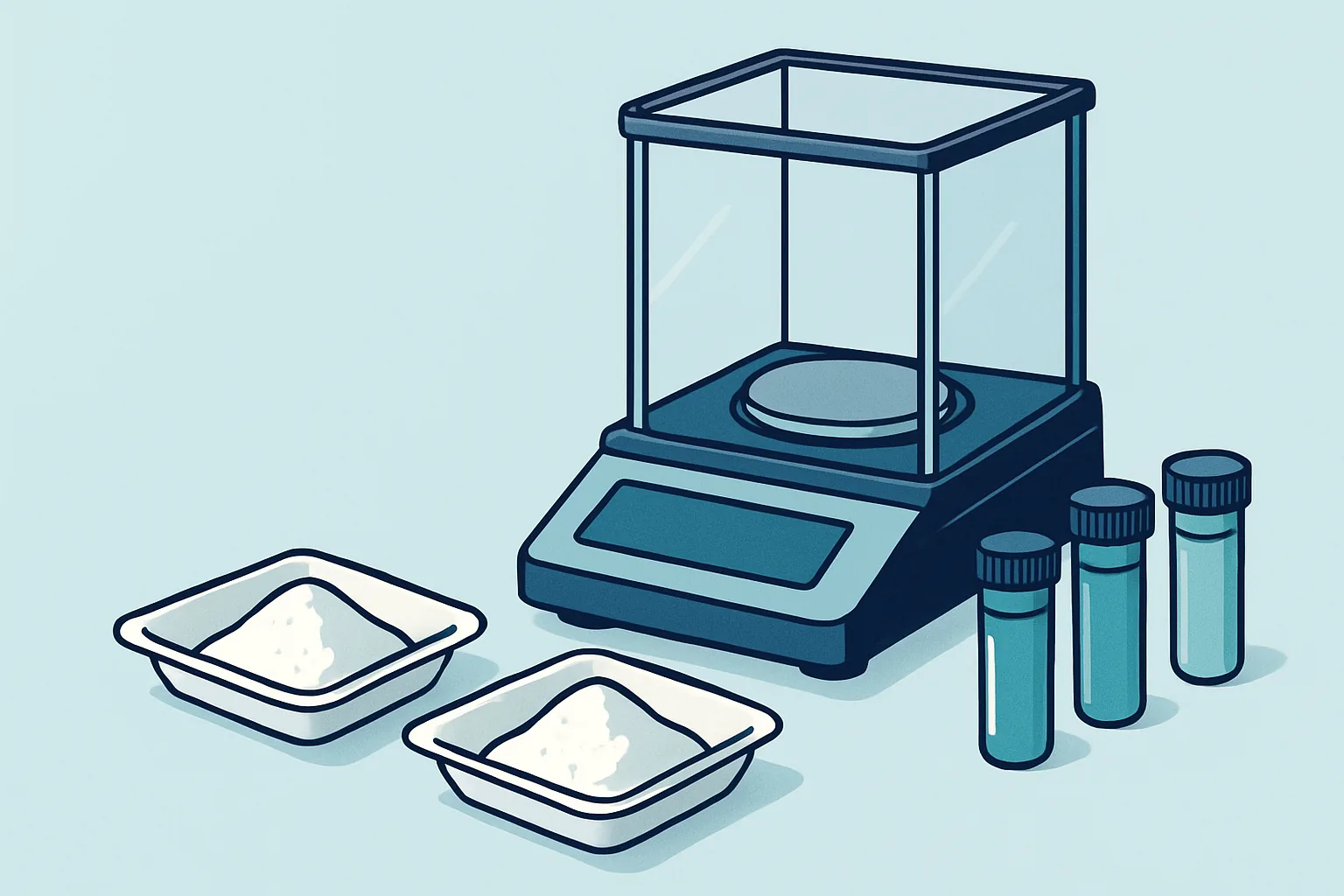
Add measurement next. A good balance is the most useful single instrument in a laboratory, and precision here is what separates cooking from science. A reliable thermometer, accurate volumetric glassware and a pH meter follow. Instruments that measure are worth more than instruments that do, because they turn an activity into an experiment.
Then basic manipulation: assorted glassware, a hot plate with a magnetic stirrer, filtration equipment, and a means of heating and cooling in a controlled way. This range covers a very wide span of real chemistry.
Optical work is a natural next branch and unusually rewarding for the money. A decent compound microscope with proper optics opens up microbiology, histology and mineralogy, and second-hand professional instruments are frequently far better value than new consumer ones.
Specialist equipment comes last and should be driven by a project rather than acquired speculatively. A centrifuge, an incubator, electrophoresis apparatus or a spectrophotometer each unlock particular work, and each is dead weight without a reason.
The stronger recommendation is to build skills in the same order. Accurate measurement, clean technique, honest record keeping and knowing what is in every container on your shelf are worth more than any purchase. A person with a balance, a microscope and disciplined notes will produce better work than someone surrounded by equipment they have not learned to trust.
Frequently asked questions
Do I need permission or a licence to set up a home laboratory?
In most places, no general permission is required, because no legal category of home laboratory exists to license. Obligations attach to specific things instead: controlled substance precursors, explosives precursors, scheduled poisons, radioactive sources above defined activities, and regulated biological work. The practical approach is to check each substance and activity against local rules rather than to look for blanket authorisation, and to remember that suppliers shipping you something is not evidence that it is lawful where you are.
Can I legally buy laboratory chemicals as an individual?
Frequently yes, though many suppliers restrict sales to institutions as commercial policy rather than legal requirement. Specialist suppliers serving educators and hobbyists do sell to individuals. Regulated substances are the exception and may require licensing, registration or documented end use. Suppliers who ask what you want something for are complying with know-your-customer obligations, and providing a clear honest answer is the correct response.
Is a fume hood necessary for a home laboratory?
It depends entirely on what chemistry you intend to do, and the more useful framing is to let the ventilation you have determine the work rather than the reverse. A great deal of interesting chemistry produces no significant vapour hazard and needs nothing more than a ventilated room. Work requiring engineered containment should not be done without it, and improvised substitutes are dangerous precisely because they feel like protection while providing very little.
What should I do with leftover chemicals I no longer want?
Take them to a household hazardous waste collection point, labelled and sealed, with contents identified. These facilities exist in most areas and are usually free to residents. Never pour chemicals down a drain or place them in domestic refuse. If a container is unlabelled and you cannot identify its contents, say so at the facility rather than guessing, since unknown material is handled differently and a wrong guess is worse than an honest admission.
Will a home laboratory affect my home insurance?
Very possibly, and this is worth resolving before rather than after an incident. Standard policies commonly exclude losses from hazardous activities or from flammable storage beyond normal domestic amounts, which could leave a fire loss uninsured. Contact the insurer, describe the activity accurately, and keep the answer in writing. Low-hazard hobby work is often accepted without alteration; anything involving flammable solvent quantities is more likely to need disclosure or a policy change.
The pattern across all of this is that the rules track hazard rather than the mere fact of doing science outside an institution. Keep quantities small, label everything, know what each container holds and why you have it, dispose of waste through routes that already exist, tell your insurer, and be an ordinary visible presence to your neighbours. Do that and the remaining question is only which experiment to run next, which is the question you wanted to be asking in the first place.