


Almost every processed food is tested before it reaches a shelf, but infant formula is tested in a way that has more in common with pharmaceutical manufacturing than with the rest of the grocery aisle. Each batch is held, sampled, analysed and only then released. Nutrient content is not merely declared, it is verified against legally fixed minimums and maximums. Organisms treated as a nuisance elsewhere are treated here as a release-stopping failure.
The reason is arithmetic rather than suspicion. An adult eating a deficient or contaminated product eats many other things, has mature immune defences, and has body stores that buffer a short interruption in any single nutrient. An exclusively formula-fed infant has none of that. For several months the product is the entire diet, and a deviation that would be trivial in a breakfast cereal becomes the infant’s whole exposure.
That structural fact drives everything that follows: the tighter tolerances, the batch release model, the pathogens singled out for attention, and the traceability that makes recalls possible. Understanding the logic also makes recall notices less alarming, because most of them are the system working rather than failing.
Key takeaways
- Formula is regulated as a sole source of nutrition, so nutrient limits carry a floor as well as a ceiling.
- Batches are usually held until testing is complete rather than released and tested afterwards.
- Cronobacter and Salmonella dominate the testing programme because powdered formula is not sterile.
- Heavy metals and process contaminants are screened at ingredient level as well as in finished product.
- Most recalls are precautionary, triggered by a process deviation rather than by a confirmed illness.
Why Formula Faces Stricter Rules
Food safety law generally assumes a varied diet. Tolerable intake levels for contaminants are calculated across a population eating many different foods, so any one product contributes a fraction of total exposure. That assumption collapses for infant formula, which is why essentially every developed food code treats it as a separate category with its own rules.
Three features of the infant consumer drive the difference. The first is body weight. Intake of anything is assessed per kilogram of body weight, and an infant eats at a rate relative to body mass that an adult never approaches, so a concentration unremarkable in absolute terms becomes significant when divided by three or four kilograms.
The second is developmental vulnerability. Infant kidneys concentrate urine less efficiently than adult kidneys, which caps the protein and mineral load that can be handled safely. The gut barrier is more permeable in the early weeks, the immune system has met very few of the organisms it will eventually learn to handle, and neurological development is at its most rapid. That last point is why lead and other neurotoxic metals are held to lower limits here than anywhere else in food law.
The third is the absence of variety. If a batch is deficient in a vitamin, nothing else in the diet compensates. This is why formula regulations specify minimum concentrations for a long list of nutrients, an unusual feature in food law, which more commonly concerns itself with what must not be present.
Nutrient Content Verification Requirements
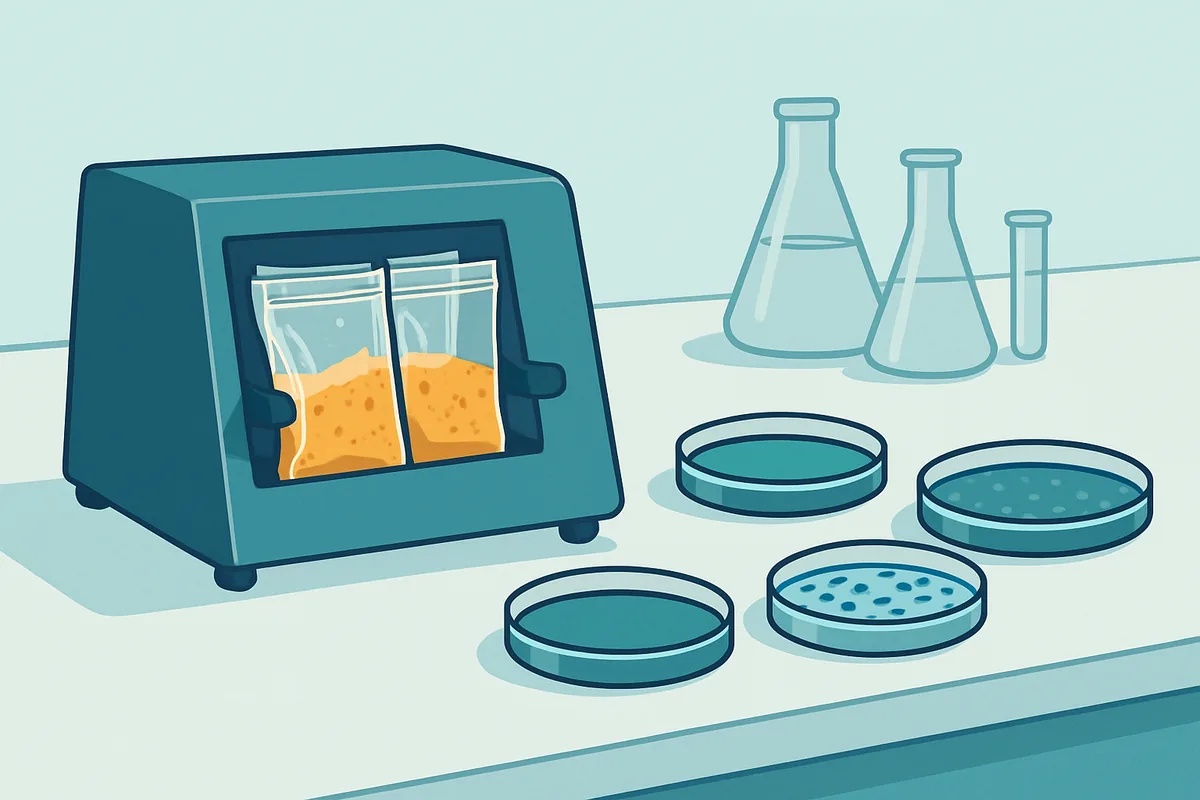
Declaring a nutrient and proving it is present are different exercises. Manufacturers must demonstrate that each regulated nutrient sits within its permitted range at the end of shelf life, not merely on the day of manufacture, and that distinction matters more than it looks.
Several vitamins degrade during storage. Vitamin C is the familiar example, but vitamin A, thiamine, folate and B12 all decline slowly in a powder held at room temperature, and the decline accelerates in heat and humidity. A product meeting its minimum when packed can fall below it before the printed expiry date. Manufacturers handle this with overage: adding more of the labile vitamins than the label declares, calibrated from stability data so the level at the end of shelf life still clears the legal floor.
Overage cannot simply be maximised, because most regulated nutrients also carry an upper limit. Vitamins A and D are the classic concerns, since both accumulate and both have well-characterised toxicity in infants. Iodine, iron, zinc, selenium and sodium have ceilings for similar reasons.
The analytical work is varied, because no single technique measures everything.
| Nutrient group | Typical analytical approach | Main practical difficulty |
|---|---|---|
| Fat-soluble vitamins (A, D, E, K) | Saponification then liquid chromatography, often with mass spectrometry | Light and oxygen sensitivity during preparation |
| Water-soluble vitamins (B group, C) | Liquid chromatography, sometimes microbiological assay for B12 and folate | Rapid degradation once in solution |
| Minerals and trace elements | Inductively coupled plasma techniques after acid digestion | Contamination from labware, reagents and dust |
| Protein and amino acids | Nitrogen determination plus amino acid profiling | Nitrogen methods cannot identify the nitrogen source |
| Fatty acids including DHA and ARA | Conversion to methyl esters then gas chromatography | Oxidation of long-chain fats during handling |
The protein row carries a lesson. Classical methods calculate protein by measuring total nitrogen and applying a conversion factor, which is fast, cheap and blind to where the nitrogen came from. That weakness was exploited in the melamine adulteration of dairy products in China, where a nitrogen-rich industrial chemical raised the apparent protein figure while contributing nothing nutritional and causing serious kidney injury in infants. The aftermath reshaped formula testing worldwide: melamine screening became routine, amino acid profiling gained ground as confirmation of genuine protein, and supplier verification tightened.
Pathogen Testing and Cronobacter Risk
Powdered infant formula is not sterile, and this is the most widely misunderstood point in the subject. Spray drying substantially reduces microbial load but does not eliminate it, and the powder cannot be sterilised in its container the way a canned liquid can, because the heat required would destroy the nutrients the product exists to deliver. Liquid ready-to-feed formula is different: it receives a sterilising heat treatment in its container, which is why it is often recommended for infants at highest risk.
Two organisms dominate the testing programme. Salmonella is the more familiar, and its criterion is absence across a substantial sampled mass, so any detection stops release. The second is Cronobacter sakazakii, and the whole powdered formula safety architecture is built around it.
Cronobacter is unremarkable in most respects. It lives in dry environments, on processing equipment, in kitchens and in dust, and healthy adults meet it without consequence. In neonates, particularly those born preterm or in the first weeks of life, it can cause meningitis and sepsis, and the proportion of cases ending badly is high. Infections are rare in absolute terms and devastating in individual terms, exactly the risk profile that justifies expensive controls.
Its key manufacturing property is desiccation tolerance. It survives for long periods in dry powder and in the dry residues that accumulate inside spray dryers and the cracks around them. It cannot grow in the powder, because there is too little available water, but it survives there and multiplies rapidly once formula is reconstituted with warm water and left standing.
Testing has two arms. Finished product testing looks for the organism in packed powder. Environmental monitoring, arguably more informative, swabs the plant continuously: floors, drains, equipment exteriors, air handling surfaces, the zones around the dryer. A positive near product triggers investigation and often batch holds even when finished product tests clean, because sampling examines only a small fraction of a batch and contamination in powder tends to be patchy rather than uniform.
Sampling plans are designed to detect contamination above a certain prevalence with a certain confidence, not to guarantee absence. This is why process control carries more weight than end-product testing, and why a facility with a poor environmental record faces regulatory action regardless of whether any product tested positive.
Contaminant and Heavy Metal Screening
Beyond microbiology, formula is screened for a long list of chemical contaminants, most of which arrive with ingredients rather than being generated in the factory.
Heavy metals lead the list. Lead, cadmium, arsenic and mercury are present at low levels throughout the environment and enter the food chain through soil, water and animal feed. Their limits here are among the tightest in food law, and the analytical demand is considerable: laboratories must quantify these elements at concentrations where ordinary dust, plastic labware and reagent water become meaningful sources of false positives. Trace metal work for formula is therefore done in dedicated clean areas with acid-washed vessels and high-purity reagents.
Arsenic needs an extra step. Total arsenic is a poor proxy for risk, because the organic forms found in some foods are far less toxic than the inorganic ones, so speciation analysis separates the forms chromatographically before measurement. It is standard wherever rice-derived ingredients are involved, since rice takes up arsenic from soil and water more efficiently than most crops.
Process contaminants form a second group, generated by manufacturing rather than present in raw materials. The most discussed are the esters formed from glycidol and from chloropropanediols during high-temperature refining of vegetable oils. Because formula fat blends rely heavily on refined vegetable oils to approximate the fatty acid profile of human milk, these compounds are directly relevant, and refiners have modified their processes to reduce them.
A third group covers residues: pesticides carried through from crops, veterinary medicine residues in dairy ingredients, and mycotoxins from moulds on grain or cattle feed. Aflatoxin M1, which appears in milk when cattle eat contaminated feed, carries a very low limit in infant products. A fourth covers packaging migrants, substances transferring from tins, liners and seals into the product during storage.
Batch Release Testing Before Distribution
Most food is manufactured, distributed and tested in parallel, with testing serving as verification that the process stayed under control. Formula generally is not. The dominant model is positive release: the batch is made, quarantined, sampled, tested against every applicable specification, and only physically released when acceptable results are in.
This changes both economics and timeline. Microbiological testing cannot be rushed, because it depends on organisms growing: pre-enrichment in a non-selective broth to revive stressed cells, then selective enrichment, then plating, then confirmation of suspect colonies. The sequence takes days, and every one of them is a day the batch sits in a warehouse.
Molecular methods, principally polymerase chain reaction assays, shorten screening by detecting sequences specific to the target organism after a briefer enrichment. A negative result can release the batch; a positive must be confirmed by culture, because the molecular method detects genetic material and cannot distinguish a live organism from a dead one.
Chemical testing runs alongside. A typical release specification covers moisture, which governs shelf stability and microbial risk; particle characteristics and solubility, which decide whether the powder disperses when a parent mixes it; the regulated nutrient panel or a subset of it; contaminant screens; and sensory checks for the off-flavours that signal fat oxidation.
Samples are drawn across the run rather than from one point, because a spray dryer does not behave identically from start to finish, and retained samples are held past the end of shelf life so a question raised two years later can be answered with material rather than paperwork.
Recall Triggers and Traceability Systems
A recall can begin in several ways, and only one of them involves a sick infant.
The commonest trigger is an internal test result: a finished product result outside specification, or an environmental positive in a zone close to product. The second is a process deviation found on review, such as a hold temperature not met or a filter integrity failure. The third is a labelling or packaging error, which sounds minor but can be serious here, since a specialised product for an infant with a metabolic condition or a milk protein allergy carries a label that functions as a medical instruction. The fourth is a regulatory inspection finding. Only the fifth is an illness cluster found by public health surveillance.
That ordering is reassuring rather than alarming. A system that only recalls after infants become ill has already failed. The great majority of formula recalls are precautionary, initiated by the manufacturer, and involve no confirmed cases.
Traceability makes this possible. Every batch carries a code linking to a manufacturing record covering which ingredient lots went in, which equipment was used, what the process parameters were, and what every test returned. Ingredient lots trace backwards to suppliers, and forward records trace the finished batch to the distributors and retailers that received it. A single suspect ingredient lot can in principle be followed to every batch containing it, and each of those to the shops that stocked them.
The weak points are predictable. Traceability degrades at the retail shelf, where tins are no longer tracked to purchasers, and again in the home, where powder may be decanted or scoops swapped between products. It degrades badly in grey market sales, where product leaves the intended distribution chain and storage conditions become unverifiable.
Reading a Recall Notice Properly
A recall notice is written for regulators and parents at the same time, and reading it carefully answers most of the questions it provokes.
Start with the identifiers rather than the headline. A recall almost always names specific batch codes, use-by dates and often container sizes, and product outside those identifiers is not affected. The instinct to discard every tin of a named brand is understandable but usually unnecessary, and when supply is tight it is not costless.
Next find the stated reason and the classification. Notices distinguish confirmed contamination, potential contamination from a process deviation, and labelling errors, and the appropriate response differs. A precautionary recall after an environmental positive means the manufacturer could not fully exclude a risk in that batch; a confirmed detection in finished product is a different matter. Many authorities also assign a severity class indicating whether the defect could plausibly cause serious harm, temporary harm, or none.
Then read the instruction. Notices variously ask consumers to stop use immediately, to return product for refund, or simply to check codes and make contact. Where a specialised medical formula is involved, they routinely advise speaking to a clinician before switching, because for an infant with a metabolic condition or severe allergy an abrupt product change carries its own hazard.
Finally, treat the absence of illness reports as meaningful but not final. It usually reflects a system catching a problem before harm occurred, but early in a recall it is also a statement about what has been reported so far.
Frequently asked questions
Is powdered infant formula sterile?
No, and it is not required to be. Spray drying reduces microbial numbers substantially but cannot eliminate them without destroying nutrients, and the powder cannot be sterilised in its sealed container the way liquid formula can. Regulations therefore set criteria for absence of specific pathogens in tested samples rather than for sterility, leaning heavily on manufacturing controls and environmental monitoring. Ready-to-feed liquid does receive a sterilising treatment in its container, which is why it is commonly recommended for premature infants and those with weakened immunity.
Why does preparation temperature appear in official guidance?
Because Cronobacter and Salmonella survive in dry powder but are killed by heat, several health authorities advise reconstituting powdered formula with water boiled and then cooled to around seventy degrees Celsius, followed by rapid cooling of the feed. That temperature is hot enough to kill vegetative bacteria while limiting nutrient damage. Guidance differs between countries because water quality and typical risk differ, so local health service advice makes more sense than the strictest version found online.
Does an expensive formula test better than a cheap one?
Not in any way regulations recognise. Every formula sold legally in a market must meet the same compositional and safety requirements, and the same batch release obligations apply to premium and value products alike. Price differences reflect optional added ingredients, marketing and packaging far more than safety margins. Genuine differences usually concern suitability for a particular infant, such as protein hydrolysis for suspected milk protein allergy, rather than testing rigour.
What happens to a batch that fails a test?
It is not released. Depending on the failure, the manufacturer may reprocess it where that is technically valid and permitted, divert it to a non-infant use where the problem is compositional rather than a safety one, or destroy it. Any failure triggers an investigation into cause, and a pathogen finding widens that review to neighbouring batches and the environmental record for the period. Regulators are usually notified, and the investigation becomes part of what inspectors examine next visit.
Should a parent test formula independently?
There is very little a household can do usefully, for practical rather than dismissive reasons. Meaningful nutrient and contaminant analysis needs instrumentation, clean facilities and reference materials far beyond consumer reach, and a single tin says nothing statistically about a batch. Effort is better spent on what a household controls: keeping powder dry and sealed, using clean equipment, preparing feeds fresh and discarding leftovers. If a product looks or smells abnormal, contacting the manufacturer with the batch code leads somewhere, because it enters their complaint system alongside the retained samples.
The useful habit is small. When a recall appears, check the batch code on the tin before doing anything else, then read the stated reason rather than the headline. Most of the time the code will not match, and where it does, the notice says plainly whether the concern is confirmed contamination or a precaution. The regime around formula is demanding because the consequences of missing something are severe, and a recall notice is the visible surface of a system that works invisibly the rest of the time.
This is education, not medical advice. Laboratory results only carry meaning alongside your symptoms, history and examination. Talk to a qualified clinician about your own results before changing anything about your care or supplements.